Personal Submarine Kits for Sale: A 2026 Buyer's Guide

The appetite for private underwater exploration is no longer a curiosity. The dedicated personal submersible segment was valued at around USD 168 million in 2025, and analysts expect it to more than triple within a decade. That momentum explains why so many buyers now research our personal submarine listings before they ever step onto a dock. Behind the search term sits a practical question: do you buy a finished craft, or do you build one?
Understanding the difference matters, because the word "kit" hides two very different projects. According to Market Research Intellect, the personal submarines market is projected to reach USD 522 million by 2035 at a 12% compound annual rate. When people compare personal submarine kits, they are usually weighing turnkey production models against a rare, demanding build-it-yourself route.
What "personal submarine kits" actually mean
When you search for personal submarine kits for sale, you generally encounter two distinct categories that share almost nothing beyond the word "kit." The first is a turnkey submersible, delivered assembled, tested and certified, with training included. The second is a genuine DIY submarine kit: plans, a hull package, or component sets intended for skilled builders.
A third result also surfaces: scale RC model submarine kits, which are display or radio-controlled hobby products rather than crewed craft. These are inexpensive, ranging from roughly $30 to $1,700, and belong to a different conversation entirely. If your goal is to dive, focus on manned submersibles, not models. For readers weighing the self-build route, our overview of our DIY submarine plans explains what a home project truly involves.

Why private submersibles are attracting serious capital
Wealthy buyers increasingly value access to environments that money alone rarely reaches. That demand is visible across every credible forecast. The broader manned submersible sector, according to Business Research Insights, was valued near USD 0.9 billion in 2026 and is projected to grow at roughly 19.6% annually through 2035.
This is a niche, but a fast-moving one. Advances in lighter pressure hulls, electric propulsion and life-support systems have made two-person submersibles safer and easier to operate than a decade ago. That engineering maturity is why private ownership, once reserved for research institutions, now extends to superyacht owners and independent explorers.
How much does a personal submarine cost in 2026?
Price is where the two "kit" definitions diverge most sharply. Published market prices for compact production models begin around $550,000, while multi-passenger, deep-diving craft can reach several million dollars, with certain flagships starting near $3.7 million. A finished submersible bundles hull, electronics, certification and pilot training into one figure.
A DIY build appears cheaper on paper, yet the real cost is time, tooling and engineering liability. Certification, insurance and launch equipment rarely appear in a plan's advertised price. If you would rather compare configured, deliverable craft against your budget, our guide on how to buy a personal submarine maps the full cost picture before you commit.
| Path | Typical price | Certification | Best suited to |
|---|---|---|---|
| TheArsenale curated submersibles | From ~$550,000 to several million | DNV or ABS, verified before listing | Owners wanting a deliverable, supported craft |
| Builder-direct production models | ~$550,000 upward | DNV or ABS | Buyers ordering a new build with lead time |
| DIY kit or plans | Highly variable | Owner responsibility | Experienced engineers and hobbyists |
| RC model kits | ~$30 to $1,700 | Not applicable | Collectors and modelers |
Choosing a submersible that fits your yacht
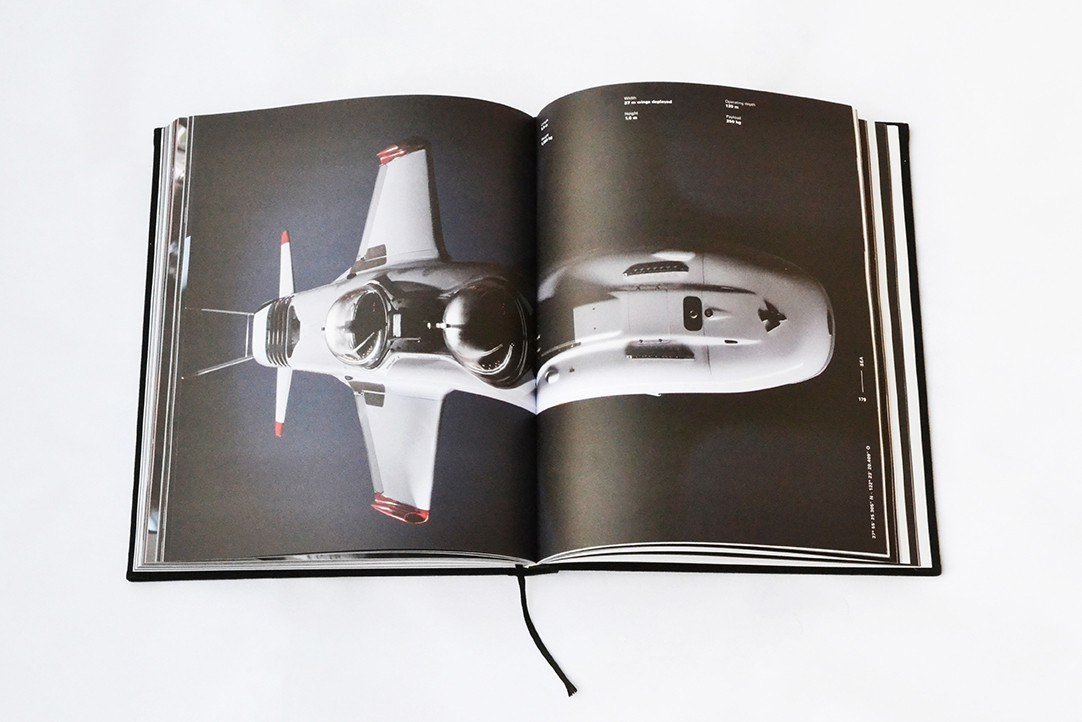
The first constraint is rarely budget; it is the garage. Footprint, weight and crane capacity decide which models your vessel can carry. Compact craft are engineered specifically for superyacht storage, with reinforced lifting points and integrated launch-and-recovery systems, while larger expedition subs usually travel on a dedicated support vessel.
Depth ratings follow the same logic of matching craft to mission. Ratings run from around 100 metres for compact yacht subs to 300 metres for most private models, and beyond 1,000 metres for specialised deep-diving craft. Reefs, wrecks and the open deep each demand a different specification. To weigh footprint against depth methodically, consult our personal submarine buying guide.

Safety, certification and piloting
Serious builders certify every craft with independent classification societies such as DNV or ABS. Pressure hulls, life support and each dive cycle are engineered and inspected to those standards. This is precisely where a genuine DIY submarine kit becomes demanding, because the builder assumes responsibility for structural integrity and inspection.
Piloting is more accessible than many assume. No state license exists for recreational submersibles, so builders provide their own training, typically a few days to two weeks. Many owners simply have a crew member certified. The steady expansion of the wider category, valued around USD 13.45 billion in 2026 according to The Business Research Company, reflects how mature this safety engineering has become.
Should you build or buy?
A DIY route can be rewarding for the right person, yet it is an engineering project, not a purchase. The private submarine niche remains concentrated among a small number of high-end manufacturers; the global private submarines market was estimated at USD 114 million in 2025 by QY Research. That concentration exists because pressure engineering rewards specialised, repeatable production.
For most buyers, the honest answer is to buy a certified craft and reserve the DIY conversation for experienced fabricators with the workshop and time to match. A finished submersible removes the hardest variables: hull qualification, life support and independent inspection. It also delivers the one thing a kit cannot promise, which is a defined date on the water.
Choosing your path with confidence
The phrase personal submarine kits for sale ultimately points to a decision between building and buying. If you have the engineering depth and appetite for a multi-year project, a DIY route can satisfy that ambition. For nearly everyone else, a certified turnkey submersible delivers the exploration you want, sooner and with fewer unknowns. Start by defining depth, occupancy and yacht constraints, then let certification and lead time guide the rest of the choice.
Take action with TheArsenale
Once you have clarified how deep you want to dive and which craft your yacht can carry, the next step is speaking with people who can actually deliver a certified submersible. We act as your single point of contact, from the first question through configuration and sea trials.

Explore our curated collection of personal submarines, sourced from proven builders and verified for DNV or ABS certification before they ever reach our listings. Every craft shows a price or a direct enquiry contact, and our team replies personally with configuration, delivery and training details. Tell us your garage dimensions and crane capacity, and we will confirm exactly what fits.
Frequently Asked Questions
Are personal submarine kits legal to build and operate?
Private recreational submersibles are legal in most regions, and no state pilot license is required. However, a self-built craft places full responsibility for structural certification, inspection and insurance on the owner. You should confirm local maritime rules before any build or dive.
What is the difference between a kit and a turnkey submersible?
A turnkey submersible arrives assembled, tested and certified, with training included. A kit provides plans, a hull package or components that the buyer must assemble and qualify. The two paths differ enormously in cost structure, timeline and liability.
How much should I budget for a certified personal submarine?
Compact production models generally start around $550,000, while multi-passenger, deep-diving craft can reach several million dollars. Your budget should also account for launch equipment, crew training and ongoing maintenance. We can shortlist models that match both your yacht and your figure.
How deep can a private submersible dive?
Depth ratings typically run from about 100 metres for compact yacht subs to 300 metres for most private models. Specialised deep-diving craft can exceed 1,000 metres. The right rating depends on whether you intend to explore reefs, wrecks or the deep ocean.
Can a personal submarine be stored on a yacht?
Yes, several compact models are engineered specifically for superyacht storage, with reinforced lifting points and integrated launch-and-recovery systems. Footprint, weight and crane capacity determine which craft your vessel can carry. Share your garage specifications and we will confirm the fit.