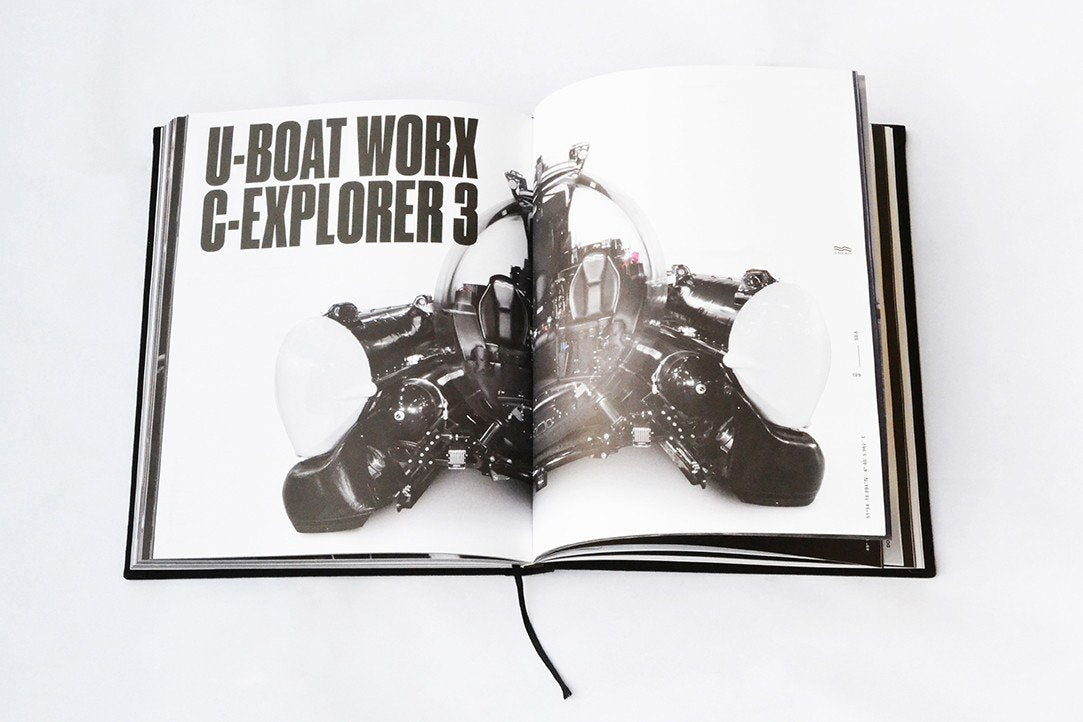
Personal Submarine Video: What the Footage Reveals in 2026

Underwater exploration is no longer reserved for navies and research institutes. Curiosity often begins with a single clip: a glass sphere sinking gently below a superyacht, passengers relaxed while a reef drifts past. That first personal submarine video tends to spark serious questions about cost, safety and ownership. If you are moving from casual viewing to genuine research, our guide to the Aurora 3C personal submarine ownership path is a practical starting point.
Video matters here because a submersible is difficult to judge on paper. A spec sheet lists depth and seat count, yet it cannot convey visibility, noise or the calm of a controlled descent. The category is also expanding: the global personal submarine market reached USD 1.47 billion in 2024, a sign that recreational demand is growing well beyond a niche.
Why Video Is the Most Honest Way to Evaluate a Submersible
Consider what a photograph hides. A still image of an acrylic pressure hull looks impressive, but it says nothing about how light behaves at forty meters, how the craft trims when a passenger shifts weight, or how quiet the electric thrusters actually are. Moving footage of a personal submersible answers these questions directly.
Watch several clips and patterns emerge. You begin to notice entry and exit procedures, the field of view from each seat, and how the pilot manages ballast during a dive. These operational details separate a genuinely usable craft from one built primarily for marketing imagery.

What to Look for When You Watch Footage
Not all footage is equally informative. A cinematic promotional reel is designed to impress, while an owner-recorded dive log is designed to document. Both have value, provided you know what to extract from each.
- Depth and pressure ratings: Note whether the clip shows the craft at its rated depth or only in shallow demonstration water.
- Cabin visibility: Observe how much the passengers can actually see, and from which seats.
- Piloting workload: Watch how many manual inputs the descent requires.
- Surface handling: Launch and recovery from a yacht or tender is often the trickiest phase.
- Life support cues: Reputable footage or captions reference oxygen reserves and emergency ascent systems.
When you want to move from watching to comparing genuine models, our overview of the U-Boat Worx C Researcher three-person submersible pairs well with video research, because it connects what you see on screen to concrete specifications.
Reading the Specifications Behind the Footage
A dive that looks effortless in a clip depends on engineering that is easy to overlook. Depth rating, seat configuration and propulsion type define what the craft can and cannot do. The table below outlines the criteria worth confirming after you have watched several videos.
| Evaluation Criterion | Why It Matters | Where TheArsenale Helps |
|---|---|---|
| Depth rating | Determines which dive sites are accessible | Curated models across shallow and deep-water classes |
| Occupancy | One, two or multi-person cabins suit different uses | Selection spanning solo craft to multi-seat submersibles |
| Propulsion | Electric systems affect range and noise | Focus on modern electric ocean exploration craft |
| Acquisition support | Reduces risk in a complex purchase | Private Membership with early access before public listings |
These distinctions are not academic. Depth rating alone divides the market into shallow, mid-depth, deep and ultra-deep classes, and each class carries a different price and regulatory profile.
The Market Behind the Videos You Watch
The clips circulating online reflect a broader industry momentum. The wider submarine sector, which includes defense and research craft, was projected to grow to USD 13.45 billion in 2026, according to The Business Research Company. That scale funds the engineering and safety standards that eventually reach recreational submersibles.
Defense spending illustrates the point. The United States alone requested USD 25.4 billion for submarine combatants in its 2026 fiscal acquisition plan, a level of investment that pushes materials, propulsion and life-support technology forward. Private builders frequently benefit from that trickle-down of expertise.

From Watching to Owning
Suppose a particular clip convinces you. What happens next? Ownership involves more than a purchase order. You must consider transport, maintenance, pilot training, insurance and, in many jurisdictions, classification by a marine authority.
The recreational segment remains small and specialized. The private submarines market was valued near USD 0.13 billion in 2026, which means buyers rely on a limited pool of manufacturers and specialists. If you are ready to weigh acquisition seriously, our guide on how to buy a personal submarine sets out the practical steps, and our Nemo submarine listing shows what a compact recreational craft looks like in detail.
Where to Find Trustworthy Footage
Not every video deserves your confidence. Prioritize footage published by established manufacturers, verified owners and reputable marine media. Treat anonymous uploads with caution, especially when captions make depth or safety claims that the footage itself does not support.
Cross-reference what you watch. A single impressive descent proves little; a consistent record across multiple dives, sea states and operators tells you far more about reliability. The most useful research combines underwater dive footage with independent specifications and, where possible, a supervised in-person demonstration.
Bringing the Footage Into Focus
A personal submarine video is a research tool, not a purchase decision. Used well, it reveals comfort, visibility and handling that no data sheet captures, and it helps you form pointed questions before you ever contact a seller. Watch broadly, verify sources, confirm depth and safety claims against documentation, and treat any single clip as one data point among many. When the footage and the specifications finally align, you are ready to move from spectator to informed buyer.
Take action with TheArsenale
Once footage has sharpened your criteria, the next step is access to vetted craft rather than scattered listings. We curate ocean exploration machines and connect you with the specialists who build and support them, so your research translates into a confident, well-documented decision.

Explore our curated collection of luxury personal submarines, where our Private Membership offers access to vehicles before they are listed publicly. Our team usually replies in less than thirty minutes, guiding you from first inquiry through acquisition with the discretion this category demands.
Frequently Asked Questions
What can a personal submarine video actually tell me?
Footage reveals cabin visibility, piloting workload and dive comfort, which are difficult to judge from specifications alone. It also shows launch and recovery, often the most demanding phases of operation. Always confirm depth and safety claims against official documentation.
Are personal submarines expensive to own?
Yes, they represent a significant investment, and high prices remain the main barrier for many potential buyers. Beyond the purchase, you must budget for transport, maintenance, training and insurance. Our curated selection and Private Membership help you evaluate options that match your intended use.
How deep can a recreational personal submarine dive?
It depends on the class, which ranges from shallow craft rated near one hundred meters to deep-water models exceeding one thousand meters. Video demonstrations often occur in shallow water, so verify the rated depth separately. Deeper ratings generally increase both cost and complexity.
Is piloting a personal submersible difficult?
Modern electric submersibles are designed for intuitive control, and many clips show relaxed piloting. Nevertheless, proper training is essential and frequently required before independent operation. Watch footage that captures the actual control inputs during descent and ascent.
Where should I look for reliable submarine footage?
Prioritize videos from established manufacturers, verified owners and reputable marine media. Avoid anonymous uploads that make unverifiable claims about depth or safety. Cross-referencing several sources gives a far more accurate picture than any single clip.