The Pontoon Camper Guide: Floating Adventures in 2026

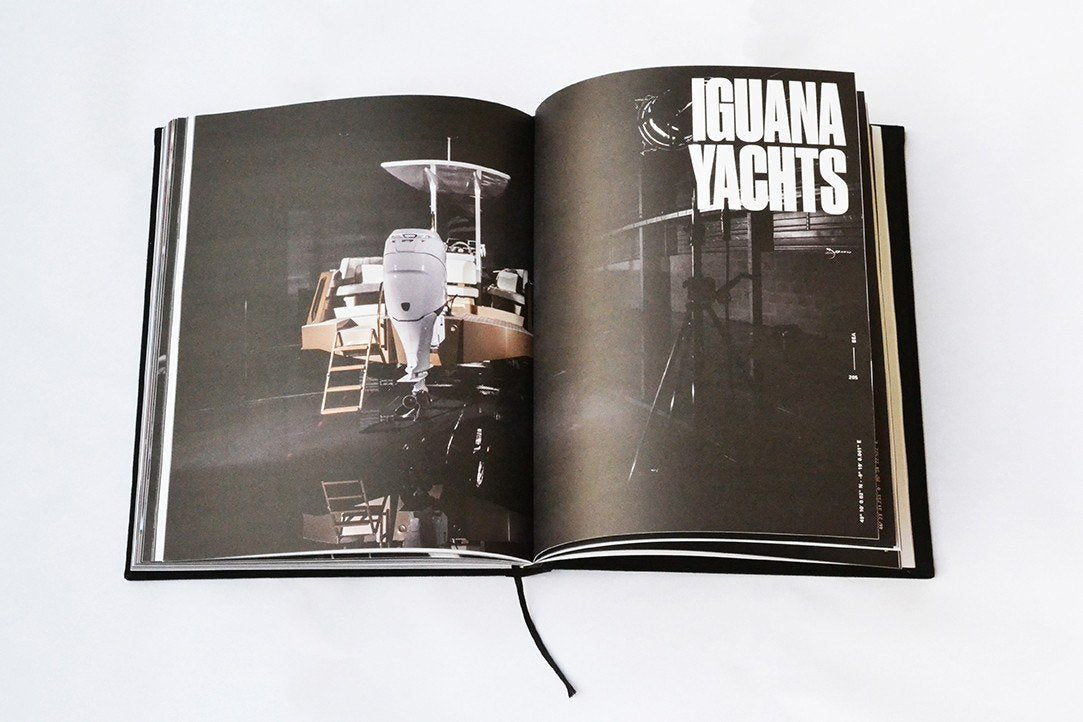
Imagine falling asleep to gentle waves and waking to a sunrise over open water, all from the deck of your own vessel. This is the promise behind the growing interest in the pontoon camper, a concept that merges the stability of a flat-deck boat with the comforts of overnight camping. For a curated look at how such a build comes together, consider our featured pontoon camper build as a reference point.
Interest in this hybrid lifestyle is not accidental. The pontoon boat category has become one of the most resilient segments in recreational boating, valued at USD 2.5 billion in 2025 according to Stratview Research. As families seek affordable, versatile ways to extend a day on the water into a weekend, converting these spacious platforms into floating shelters has moved from niche experiment to genuine trend.
What a Pontoon Camper Actually Is
At its simplest, a pontoon camper is a pontoon boat fitted with an enclosure, sleeping area, and basic amenities that allow you to stay aboard overnight. The flat, wide deck sits atop two or three buoyant aluminum tubes, providing exceptional stability for cooking, sleeping, and moving around at anchor.
The appeal comes from that generous deck space. Pontoon boats offer large, open layouts that adapt easily to seating, storage, and additional room for varied activities. This makes them natural candidates for a floating camper conversion, where lounges fold into beds and canvas enclosures create weatherproof cabins.
Configurations range widely. Some owners simply add a full camper enclosure over existing furniture, while others construct permanent cabins. If you prefer to browse ready-to-enjoy vessels rather than build from scratch, our boats for camper living showcase platforms suited to overnight use.
Why the Concept Is Gaining Momentum

Why are more boaters embracing overnight pontoon living? The answer lies in a broadening participation base. An estimated 85 million Americans go boating each year, and much of that activity centers on accessible, family-friendly vessels rather than luxury yachts.
Pontoons sit at the heart of that accessibility. In the United States, pontoon boats accounted for approximately 24% of new boat sales in recent years, according to Precision Reports, reflecting sustained demand among first-time buyers and multigenerational users.
The overnight boating experience extends the value of that purchase. Rather than trailering home after a single afternoon, owners transform a picnic layout into a comfortable sleeping area, effectively adding nights of use to every trip and stretching the return on their investment.
Design and Features to Prioritize
A successful pontoon camping setup depends on a handful of practical elements. Sleeping capacity comes first: convertible lounges and dinettes that flatten into double beds are the backbone of most conversions, while pop-up roofs can raise headroom and expand capacity.
Consider the following essentials when planning a build or evaluating a purchase:
- Full camper enclosure: weatherproof canvas or Plexiglas panels that seal the deck against wind, rain, and insects.
- Convertible seating: L-shaped lounges and dinettes that reconfigure into berths.
- Onboard galley: a food-prep surface, sink, and portable or built-in cooktop.
- Power and water: dual-battery systems, freshwater tanks, and, on premium builds, a compact bathroom.
- Storage: molded cabinets that keep bedding and provisions dry.
Layout matters as much as equipment. Placing the cabin toward the center with open decks on either side helps maintain balance and trim, an important consideration on a flat-bottomed vessel.
Amphibious and Convertible Alternatives
Not every water-camping enthusiast wants a fixed boat. A newer category of amphibious campers blurs the line between road vehicle and vessel, offering the ability to drive to the water and then float. These designs often use retractable or swing-out pontoons to switch between land and water modes.
Such vessels can house convertible sofa lounges, entertainment systems, and full kitchens with a fridge, cooktop, and cooler, delivering a fully featured experience on both water and land. For a deeper look at how this dual-environment philosophy plays out in practice, explore our amphibious camper shelter concept.
These alternatives suit travelers who value flexibility over deck size. They typically carry fewer passengers than a full-size pontoon but eliminate the need for a separate trailer, marina slip, and tow vehicle.
Comparing Your Floating-Home Options

How does a pontoon camper stack up against neighboring lifestyles such as houseboats and camper vans? Each serves a different balance of mobility, comfort, and cost. The table below summarizes the trade-offs.
| Option | On-Water Living | Road Mobility | Best For |
|---|---|---|---|
| Pontoon camper | Yes, at anchor or dock | Trailerable | Weekend lake camping |
| Houseboat | Yes, extended stays | None | Long-term water living |
| Camper van | No | Full | Road-based touring |
| Amphibious camper | Yes, limited capacity | Full | Land-and-water flexibility |
| TheArsenale curated selection | Yes | Depends on build | Access to all categories in one marketplace |
If extended stays appeal to you more than trailering, our coverage of houseboat living ideas outlines how a dedicated water residence differs from a convertible pontoon.
Costs and Practical Considerations
Budgeting realistically prevents disappointment. Beyond the purchase price, ownership carries recurring costs, and pontoon platforms are no exception to that rule. Annual maintenance, fuel, and storage all add up over a season.
The broader market context helps frame value. The wider leisure boat sector was valued at USD 49.02 billion in 2026, per Research and Markets, with luxury and premium builds commanding growing demand. That premium tier is where the most feature-rich floating camper conversions tend to sit.
Before committing, weigh these practical factors:
- Where you will store it: marina slips and trailer space carry ongoing fees.
- Seasonality: most freshwater boating concentrates into warmer months.
- Weight limits: permanent cabins add mass and affect performance.
- Resale: quality enclosures and clean conversions retain value better.
How to Choose the Right Build
Start with your intended use. A couple seeking occasional overnights needs far less than a family planning week-long trips. Match the deck size, sleeping capacity, and galley features to the number of people who will regularly come aboard.
Next, decide between conversion and purpose-built. Adding an enclosure to an existing pontoon is the most economical route, while a factory-designed camper model offers integrated systems and a cleaner finish. Both approaches deliver a genuine water camping experience; the difference lies in budget and effort.
Finally, consider whether the water is truly your only destination. If your travels span highways as well as lakes, a road-first solution may serve you better, a trade-off explored in our camper van alternative feature.
Conclusion
The pontoon camper answers a simple desire: to stay on the water longer, in comfort, without the commitment of a full houseboat. With the pontoon segment worth USD 2.5 billion in 2025 and demand still climbing, the supporting ecosystem of enclosures, convertible layouts, and amphibious designs has never been richer. Choose your build around real usage, plan honestly for storage and maintenance, and prioritize quality enclosures that protect both comfort and resale value. Across cars, boats, and every hybrid in between, we curate vessels and mobility pieces that turn ambitious ideas into ownable reality, backed by early access for members. To begin exploring options tailored to life on the water, browse our boats for camper living.
Frequently Asked Questions
Can any pontoon boat be turned into a camper?
Most properly sized pontoon boats can accept a camper enclosure and convertible bedding. Larger decks, generally 20 feet and above, provide the most comfortable sleeping and galley space.
Is a pontoon camper the same as a houseboat?
No. A pontoon camper is a trailerable pontoon adapted for overnight use, while a houseboat is a dedicated water residence built for extended living. Our houseboat guide details the distinction.
How many people can sleep on a pontoon camper?
Typical conversions sleep two to four adults on convertible lounges. Optional pop-up roofs and larger layouts can extend that capacity to around six.