Private Plane Buying Guide: Choose the Right Aircraft

Buying a private plane is justified by a repeatable mission, not by an aircraft’s appearance. A sound private plane buying guide starts with your routes, passengers, airport constraints, and annual use, then matches those facts to an aircraft class. Our guidance on how to choose a private plane can help you frame that decision before you inspect listings.
In 2026, the relevant choice may be a two-seat aircraft, a light sport aircraft, a turboprop, or a long-range business jet. Ownership also creates responsibilities beyond the purchase price, including inspections, insurance, storage, maintenance, pilots, registration, and tax planning. The strongest buying decision is therefore an operating plan supported by suitable aircraft.
Is full ownership the right access model?
Before comparing aircraft, ask how often you need one specific plane. Full ownership provides control over scheduling, cabin configuration, crew familiarity, and the aircraft’s location. It also leaves you responsible for fixed costs, technical decisions, compliance, and periods when the aircraft is not flying.
Charter can be more appropriate when your destinations, passenger numbers, and aircraft requirements change from trip to trip. Fractional ownership may suit a more regular schedule while dividing certain costs among several owners. A jet card or membership can provide structured access without placing an aircraft on your balance sheet.
There is no universal flight-hour threshold that decides the question. The result depends on aircraft size, routes, home airport, crew structure, financing, and how much scheduling control you require. A buyer who flies fewer hours may still value ownership for urgent travel, remote destinations, or a highly specific cabin.
Ownership becomes easier to evaluate when you compare two full years of real travel data. Record each origin and destination, passenger count, baggage needs, notice period, preferred airports, and seasonal constraints. The NBAA transaction guidance also emphasizes that aircraft acquisitions involve coordinated regulatory, financial, contractual, and technical decisions.
What should your mission profile include?
Imagine that your last twelve trips included short regional flights, several mountain airports, and two international journeys. One aircraft may not perform all three missions efficiently. Your preferred plane should be selected around the trips you make most often, while the occasional exceptional journey can be handled through charter.
Start with typical route length, not the aircraft’s maximum published range. Range is affected by passenger load, baggage, weather, reserves, runway conditions, and alternate-airport requirements. A plane that technically reaches your destination may not do so comfortably or reliably with a full cabin.
Airport access is equally important. Runway length, elevation, temperature, terrain, operating hours, and approach equipment can limit aircraft choices. If you regularly visit smaller airports, a lighter aircraft or turboprop may offer more useful access than a larger jet.
Passenger count should reflect real use rather than an idealized maximum. Two people with light luggage have different requirements from a family carrying sports equipment or an executive team transporting equipment. Consider cabin width, lavatory configuration, baggage volume, boarding access, and whether passengers need to work during the flight.
A 2026 aviation study using more than three decades of flight data illustrates why recurring route patterns can reveal more than isolated journeys. Applying that principle to your own travel history is an inference, but it is a useful one: repeated routes should shape the aircraft decision more than occasional aspirational trips. The 2026 aviation study provides broader context for analyzing flight behavior through historical data.

Finally, define your operating preferences. You may want a single pilot, a professional two-person crew, a managed aircraft, or the ability to fly personally when legally and practically appropriate. These choices affect aircraft complexity, insurance, training, and annual cost.
Which aircraft category fits your priorities?
A two-seat aircraft can be a sensible starting point when your travel is personal, regional, and weight-sensitive. It may offer lower acquisition and operating complexity than a business jet, while still providing a direct connection between smaller airports. It is not a substitute for a larger aircraft when you need substantial range, passengers, or baggage.
For buyers focused on compact personal aviation, we curate our best two-seat private planes guide around the practical differences between small aircraft concepts. The important comparison is not simply speed. It includes useful load, training requirements, runway needs, weather capability, maintenance support, and the availability of parts.
Light sport aircraft can appeal to buyers who prioritize accessible flying, efficient operation, and recreational or short-distance missions. Their capabilities vary significantly, so you should verify the aircraft’s permitted use, performance, equipment, pilot requirements, and local operating rules before purchase.
Our selection of light sport aircraft for sale can help you explore this category alongside other future-oriented machines. The right choice depends on how the aircraft will be used, where it will be based, and who will operate it.
Turboprops often provide a practical balance between runway access, passenger capacity, and regional range. They can be attractive for owners who regularly visit smaller airports or operate routes that do not justify a larger jet. Their propeller systems, engine programs, maintenance requirements, and cabin expectations should be assessed carefully.
Light and midsize jets are appropriate when speed, cabin comfort, and regional or continental range matter more than access to the smallest airports. Larger jets add range, baggage capacity, sleeping arrangements, conference spaces, and long-haul comfort, but every increase in size also raises fuel, crew, hangar, maintenance, and insurance commitments.
Do not select an aircraft category based only on passenger capacity. A cabin designed for eight people may be uncomfortable if your journeys are long and passengers need to sleep. Conversely, a large aircraft may be financially inefficient if most flights involve two or three passengers.
What does private plane ownership cost in 2026?
The purchase price is only the first financial decision. A responsible budget should include acquisition expenses, inspection, title work, taxes, financing, insurance, storage, fuel, maintenance, crew, training, airport fees, navigation charges, upgrades, and depreciation.
Operating costs are divided into fixed and variable commitments. Fixed costs may include hangar space, insurance, management, crew salaries, training, subscriptions, and scheduled reserves. Variable costs usually increase with flight activity and include fuel, landing fees, handling, catering, maintenance events, and international permits.
Pre-owned aircraft can reduce the initial capital requirement, but they may carry greater exposure to deferred maintenance, aging components, outdated avionics, interior refurbishment, and upcoming inspections. A newer aircraft may provide warranty protection and updated systems, but depreciation and delivery timing can be significant.
Financing should be evaluated against liquidity, not only the monthly payment. Lenders may examine aircraft age, maintenance records, market liquidity, intended use, borrower strength, and the relationship between the loan and the aircraft’s appraised value. You should also understand interest costs, deposit requirements, prepayment terms, and the effect of currency when buying internationally.
The FAA’s FY 2026 to 2046 forecast uses the latest available general aviation survey data from 2024. It reported an estimated active general aviation fleet of 213,756 aircraft in 2024, while United States manufactured general aviation deliveries reached 2,316 units in 2025. These figures provide industry context, but they do not replace a model-specific ownership forecast. The FAA forecast is a useful reference for broader aviation activity and fleet data.
For a personal estimate, model at least three scenarios. The first should reflect your expected use. The second should assume lower utilization and higher maintenance. The third should account for major refurbishment, engine work, or a prolonged period of reduced flying. This approach is more informative than relying on a single optimistic annual estimate.
For a focused review of acquisition and operating considerations, consult our private plane costs analysis. You should also request advice from an aviation tax professional before assuming that business use, depreciation, or ownership through an entity will produce a particular tax result.
How do you complete a safe aircraft purchase?
A private aircraft purchase should be treated as a structured transaction rather than a standard retail purchase. Assemble an acquisition team that may include an independent broker, aviation attorney, tax adviser, technical inspector, lender, insurance broker, and aircraft management company.
Begin by defining your requirements in writing. Include mission, range, passenger capacity, baggage, airport limitations, budget, delivery location, ownership structure, and intended use. This document will help your advisers reject unsuitable aircraft before you spend time on demonstrations or negotiations.
Next, research the aircraft’s history. Review airframe, engine, propeller, avionics, and component logbooks. Check damage history, maintenance events, ownership changes, storage conditions, service bulletins, airworthiness directives, inspection status, and the timing of major scheduled events.
Do not treat a recent annual inspection as a substitute for a pre-purchase inspection. An annual inspection confirms a regulatory condition at a specific point in time. A pre-buy inspection is designed to assess the aircraft’s condition, value, deferred work, upcoming expenses, and suitability for the proposed transaction.
Use an independent inspector with relevant experience in the aircraft type. The inspector should not be selected solely by the seller or by a facility that has a commercial interest in completing future maintenance. The inspection scope should be documented before work begins, including records review, physical inspection, engine evaluation, avionics checks, corrosion assessment, and a test or acceptance flight where appropriate.

Legal and title due diligence is just as important as mechanical condition. The closing process may involve a letter of intent, deposit, purchase agreement, escrow, lien search, bill of sale, registration documents, tax review, export paperwork, and delivery arrangements. Requirements vary by country, registration, ownership structure, and intended operation.
When discrepancies appear, separate airworthiness issues from cosmetic preferences. Safety-related defects and undocumented maintenance deserve immediate attention. Cosmetic improvements can be negotiated, but they should not distract from structural condition, engine status, records integrity, or compliance.
An experienced adviser can also help you compare aircraft that are not publicly listed. At TheArsenale, our marketplace and sourcing approach is designed for buyers who value unusual machines, specialist advice, and a carefully curated route through the acquisition process.
Make the aircraft serve the mission
A successful private plane purchase begins with restraint. Define the journeys you actually make, calculate the full ownership commitment, and compare the result with charter, fractional access, or membership options. Then assess aircraft condition through independent technical and legal due diligence. The right aircraft should deliver useful access, manageable responsibility, and long-term confidence rather than simply impressive specifications.
Take action with TheArsenale
If your research has moved from general curiosity to a serious search, you may need a more considered route through unusual aircraft and future-oriented mobility. The purchase decision should reflect your mission, your preferred experience, and the level of specialist support you expect.

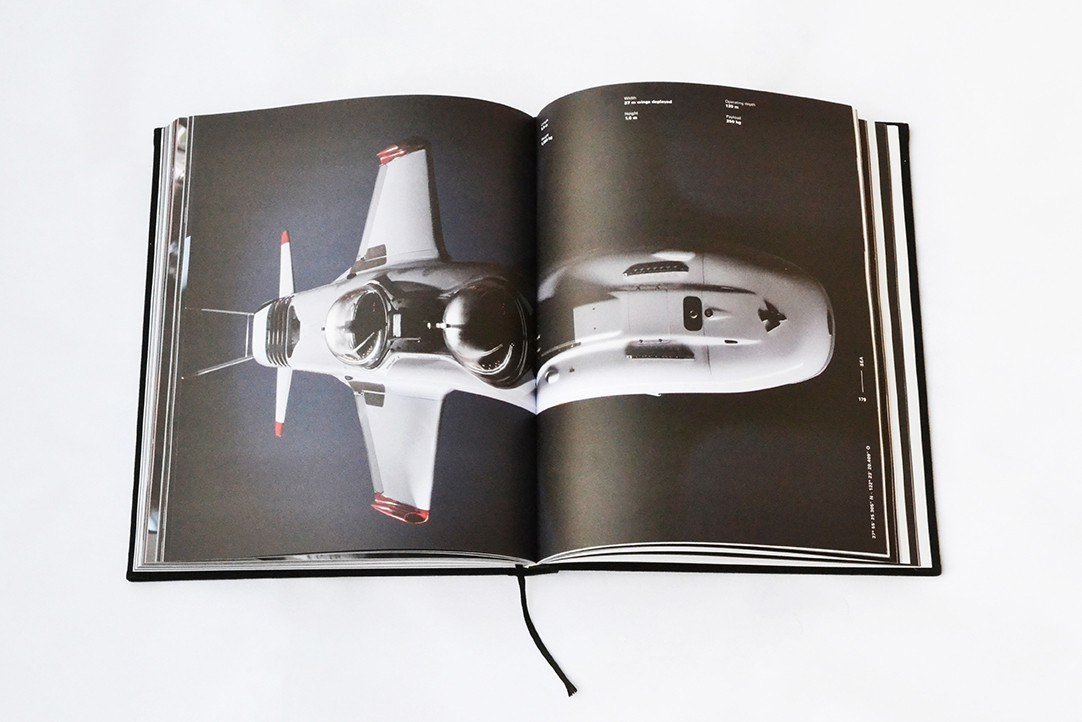
We connect collectors and enthusiasts with curated mobility objects through our marketplace, sourcing expertise, and personalized sales assistance. Explore the Valkyrie aircraft as one example of our approach to rare, forward-looking flight design.
Frequently Asked Questions
How much should you fly before buying a private plane?
There is no universal threshold because aircraft type, routes, ownership structure, and scheduling needs all affect the calculation. Compare your actual travel history with the full annual cost of ownership, then evaluate charter and fractional alternatives.
Should you buy a new or pre-owned aircraft?
A new aircraft can provide current equipment, customization, and warranty support. A pre-owned aircraft may reduce the initial capital requirement, but it requires careful review of maintenance history, damage records, upcoming inspections, and component life.
What is the most important aircraft specification?
The most important specification is the one that supports your recurring mission. Range, useful load, runway performance, cabin dimensions, baggage capacity, and operating cost should be considered together rather than ranked separately.
Do you need a broker to buy a private plane?
You can search independently, but a qualified broker may help with market research, valuation, negotiations, inspections, documentation, and closing coordination. You should confirm the broker’s experience, fee structure, conflicts, and responsibilities before signing an engagement.
Can TheArsenale help source an unusual aircraft?
Yes, our curated mobility marketplace and sales assistance are intended for collectors and enthusiasts seeking rare or future-oriented machines. You can contact our team to discuss your preferences, intended use, and sourcing requirements.