Recreational Submarines: A 2026 Guide for Ocean Explorers

The ocean covers most of our planet, yet fewer people have descended past 300 meters than have reached the summit of major peaks. That scarcity is precisely what makes recreational submarines so compelling for private owners. If you have ever wondered whether personal ownership is realistic, our Aurora 3C: can you really own a personal submarine? feature addresses that question directly.
These craft are no longer confined to research institutions or naval fleets. According to recent market research, the global personal submarine market reached USD 1.47 billion in 2024, with recreational use forming the largest application segment. The appeal is straightforward: a personal submersible transforms the water beneath a yacht into a private frontier that few others will ever experience firsthand.
What a Recreational Submersible Really Is
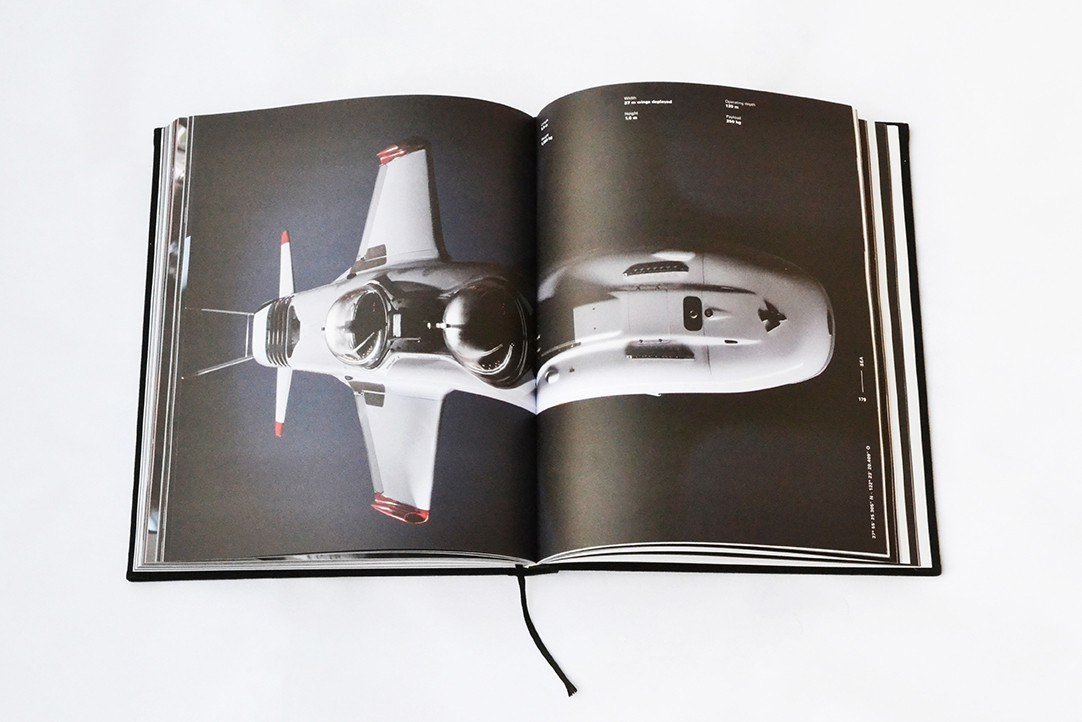
A recreational submarine is a manned submersible designed for private leisure rather than military or purely scientific purposes. Unlike the steel behemoths of naval fleets, these craft prioritize visibility, comfort, and ease of operation. Wide acrylic viewing spheres allow passengers to observe reefs, wrecks, and marine life in near silence.

Capacity varies widely. Single-seat craft suit solo explorers, while larger models accommodate families or small groups. Depth ratings span a broad range, from shallow-water designs rated to roughly 100 meters up to deep-water vessels certified well beyond 1,000 meters. Most modern leisure submersibles use electric propulsion, which delivers quiet operation and zero emissions during a dive.
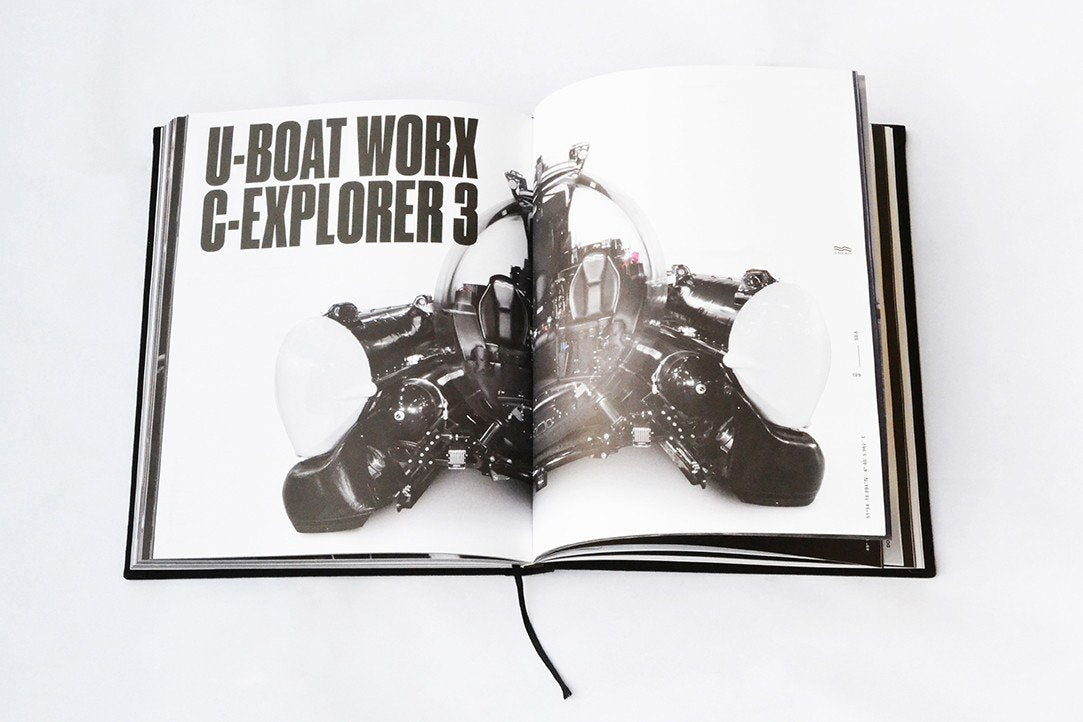
For a detailed look at how a research-grade craft translates into a private machine, our U-boat Worx C Researcher personal submarine overview explains the engineering that makes deeper dives possible.
A Market Riding a Wave of Demand
Why are more affluent buyers investing in private submersibles now? The numbers explain the momentum. The personal submarine market is projected to expand at a compound annual growth rate of 9.2% through 2033, reflecting rising interest in underwater adventure and the desire for exclusive experiences.
This sits within a much larger context. The wider submarine sector, including naval platforms, was valued at USD 13.45 billion in 2026. That scale matters for private buyers, because decades of proven pressure-hull and life-support technology have now been adapted for leisure use. High-net-worth individuals increasingly treat these craft as luxury assets that complement superyachts or private island resorts.
The recreational segment is defined by demand for user-friendly controls, enhanced safety systems, and customizable interiors, reflecting owners who prioritize comfort and ease of use above all.
Choosing the Right Personal Submarine
Imagine two very different owners. One wants a compact two-seat craft for shallow reef dives from a yacht platform. The other seeks a deep-diving vessel capable of exploring wrecks hundreds of meters down. The right choice depends on four practical factors: occupant capacity, depth rating, propulsion system, and integration with an existing vessel or shore base.

Geography also shapes availability and support. North America currently leads adoption, holding roughly 50% market share, driven by luxury tourism and established service networks. Deep-water research and underwater tourism together account for an estimated 40 to 45% of demand, which influences which models manufacturers prioritize.
If you are weighing your options systematically, our guide on how to buy a personal submarine walks through specifications, sea trials, and support considerations step by step.
What Ownership Actually Costs
Price is the first question most prospective owners ask, and the range is enormous. Entry-level personal submersibles start in the low six figures, while deep-diving, custom-built vessels can command sums comparable to a superyacht. Beyond the purchase, owners should budget for transport, crew training, maintenance, and battery servicing.
The luxury end of the segment continues to grow quickly. One recent analysis valued the personal submarine niche at USD 168 million in 2025, expanding at a double-digit annual rate through the following decade. High acquisition costs remain the principal barrier, affecting an estimated 30% of potential buyers, which is why guided sourcing and pre-owned options have become increasingly important.
| Consideration | Entry leisure sub | Deep-diving sub | Sourcing through us |
|---|---|---|---|
| Typical capacity | 1 to 2 occupants | 2 to 5 occupants | Matched to your needs |
| Depth focus | Up to ~100 m | 300 m and beyond | Curated across range |
| Buyer support | Standard | Specialist | Private Membership early access |
For buyers who prefer a defined starting point, our Nemo submarine product page illustrates how a compact two-person craft balances accessibility with genuine dive capability.
Safety, Certification and Responsible Operation
Can a private individual operate a submersible safely? With proper certification and training, yes. Reputable manufacturers build to recognized classification standards, and hulls undergo rigorous pressure testing before delivery. Redundant life-support systems, emergency ballast release, and communication links are standard on modern leisure craft.
Owner training is essential. Most builders provide pilot courses covering dive planning, buoyancy control, and emergency procedures. Responsible operation also means respecting marine environments, maintaining safe distances from fragile reefs, and adhering to local regulations governing underwater activity. These practices protect both the occupants and the ecosystems they came to admire.
Bringing Your Underwater Ambitions Into Focus
Owning one of these craft is no longer a fantasy reserved for institutions. The market for private leisure submersibles is expanding steadily, technology proven over decades is now accessible to individuals, and a clear framework exists for choosing wisely. Focus on capacity, depth rating, propulsion, and support, then verify certification and invest in proper pilot training. With those foundations in place, the deep becomes a destination you can reach on your own terms, safely and repeatedly.
Take action with TheArsenale
You have identified what a private submersible can offer; the next step is finding the right one without navigating fragmented listings alone. As a luxury mobility marketplace, we curate ocean exploration machines alongside our hypercars and electric water craft, connecting you with vetted options that match your ambitions.

Through our Private Membership, you gain access to vehicles before they are listed publicly, and our team usually replies in less than thirty minutes to any enquiry. When you are ready to move from research to acquisition, explore our curated submarine collection and let us help you source the craft that fits your vision.
Frequently Asked Questions
How deep can a recreational submarine dive?
Depth capability depends entirely on the model. Shallow-water leisure craft are typically rated to around 100 meters, while deep-water private submersibles are certified well beyond 1,000 meters. Always confirm the depth rating against a recognized classification standard before purchase.
How many people can a personal submersible carry?
Capacity ranges from single-seat craft to models accommodating eleven or more occupants. Most recreational owners choose two to five seat configurations, which balance comfort, viewing space, and integration with a yacht. Larger craft exist primarily for tourism operators.
How much does a private submarine cost?
Prices vary dramatically, from the low six figures for entry-level craft to sums comparable to a superyacht for deep-diving custom builds. Beyond the purchase, you should budget for transport, maintenance, crew training, and battery servicing over the vessel's life.
Where can I buy a leisure submersible?
You can source one through a curated marketplace rather than approaching manufacturers piecemeal. Our submarine collection brings vetted craft together, and our Private Membership offers access to vehicles before they are listed publicly, which simplifies comparing options.
Do I need a license to operate one?
Formal requirements vary by jurisdiction, but reputable manufacturers provide pilot training that is strongly recommended regardless. Proper certification covers dive planning, buoyancy control, and emergency procedures. Responsible operation and adherence to local marine regulations are essential for safe ownership.