Brand Strategy Framework: Build a Stronger Brand in 2026

A strong brand is not created by a logo alone. It is built through the decisions that shape what people expect, remember, and experience at every touchpoint. For teams working across design, commerce, and storytelling, our brand strategy and identity insights offer a useful reminder: a distinctive identity becomes valuable when it is expressed through a coherent experience.
In 2026, brand strategy also needs to demonstrate business relevance. A framework should help you clarify your market position, understand the people you want to reach, guide communication, align teams, and connect brand activity with measurable outcomes. It should be structured enough to create consistency, yet flexible enough to evolve as your audience, category, and organization change.
What should a brand strategy framework accomplish?
What happens when a company has strong creative ideas but no shared strategic foundation? Teams may produce attractive campaigns, inconsistent messages, or experiences that feel disconnected from the organization’s actual value. A framework prevents that fragmentation by defining the choices that should guide the brand before execution begins.
At its core, a brand strategy framework answers six questions:
- Why does the organization exist?
- Who is it designed to serve?
- What meaningful value does it provide?
- How should it differ from other available choices?
- How should it look, sound, and behave?
- How will the organization know whether the strategy is working?
The framework is not a rigid script. It is a decision system. It helps leadership, marketing, sales, product, design, customer service, and external partners make choices that reinforce the same direction.
A useful framework also separates strategic foundations from executional activity. A campaign may change next quarter, while the central promise, positioning, and values should provide continuity. This distinction allows the organization to respond to new opportunities without making the brand feel unpredictable.
A 2026 systematic review of 235 peer-reviewed articles published between 1988 and 2025 found that branding research has expanded, while cumulative theory development remains limited. The implication is practical: no universal template can replace research, judgment, and organizational context. A framework should create focus, not pretend to provide an automatic answer. The systematic review supports using models as structured tools rather than substitutes for strategic thinking.
Start with purpose, positioning, and audience insight
Consider a company entering a crowded category. Its first task is not to select colors or write a tagline. It must decide what it wants to mean to a specific group of people and why that meaning matters.
Begin with purpose. Purpose explains the contribution the organization wants to make beyond a single transaction. It should be credible, relevant to the people you serve, and connected to the capabilities you can actually deliver. Avoid abstract language that sounds admirable but cannot guide a decision.
Then define the organization’s direction. A vision can describe the future you want to help create, while a mission can explain the work required to move toward it. Terminology varies, but clarity matters more than the label. The statement should help you decide which opportunities fit and which ones do not.
Next, establish brand positioning. Positioning describes the place you want to occupy in the minds of your intended audience. It should connect four elements:
- The audience you want to attract.
- The need, ambition, or tension you address.
- The value you provide in response.
- The reason your organization can credibly deliver that value.
Audience research should go beyond basic demographics. Examine motivations, habits, frustrations, aspirations, decision criteria, and the language people use when describing their needs. For a luxury mobility audience, for example, the decision may involve rarity, design, engineering, provenance, access, and the desire to participate in a broader culture of innovation.
Research should also include internal perspectives. Employees, founders, sales teams, designers, and customer-facing specialists often understand the brand’s strengths and weaknesses differently. Bringing these perspectives together can reveal a gap between the identity an organization promotes and the experience it consistently delivers.
Large-scale research can illustrate the value of combining behavioral and attitudinal evidence. Kantar describes a brand growth framework built from 6.5 billion consumer data points collected over a decade, including behavioral and attitudinal information across 20,000 brands. Kantar’s brand framework demonstrates why audience understanding should include both what people do and what they think or feel.
Our own perspective at TheArsenale is shaped by a similarly broad view of identity, design, mobility, and culture. You can explore our mission and values to see how strategic principles can provide a foundation for a distinctive brand world.
Turn differentiation into a usable brand promise
Why should a customer choose your organization instead of delaying a decision or selecting another option? The answer should not be a list of every feature you provide. It should express the most important value you want people to associate with your brand.
A brand promise converts positioning into an expectation. It tells customers what they should consistently receive from the relationship. The promise may concern discovery, confidence, simplicity, performance, expertise, access, or a particular feeling. It should be specific enough to guide behavior, but broad enough to remain relevant as offerings evolve.
To make differentiation useful, test it against three criteria:
- Relevance: Does it address something important to the audience?
- Credibility: Can the organization deliver it consistently?
- Distinctiveness: Does it create a meaningful association that is not easily interchangeable?
Many organizations confuse differentiation with novelty. A striking concept may attract attention, but attention alone does not create preference. Differentiation becomes valuable when it helps people understand why your organization is a better fit for their specific expectations.
Translate the promise into supporting message pillars. Each pillar should explain one part of the value proposition and provide evidence that makes the claim believable. For example, a curated mobility marketplace might organize its messaging around discovery, access, expertise, and experience. Each pillar can then guide website copy, editorial content, sales conversations, exhibitions, and customer support.
Message architecture is particularly important when an organization serves several audiences. Collectors may care about rarity and acquisition guidance. Builders may care about exposure and partnerships. Brand clients may need strategic direction, creative production, and activation. The central promise can remain consistent while the supporting emphasis changes by audience.
A clear framework should also identify what the brand will not claim. Restraint protects credibility. If an organization does not control delivery, licensing, financing, or after-sales service, those subjects should not be presented as guaranteed benefits. Strategic clarity includes knowing where the promise ends.
Build values, personality, voice, and tone
Imagine two organizations with similar products and comparable resources. One feels coherent wherever customers encounter it. The other sounds different across its website, sales team, social channels, and physical spaces. The difference is usually not ambition. It is an undefined behavioral system.
Values should describe principles that influence real decisions. Generic words such as integrity, innovation, or excellence are not useful unless the organization explains what they mean in practice. Strong values include observable behaviors, trade-offs, and examples.
For instance, a value centered on curiosity could encourage teams to explore unconventional ideas, listen closely to builders, and challenge assumptions about the future. A value centered on curation could require selectivity, evidence, and discipline about what enters the brand’s ecosystem. The value becomes meaningful when it changes behavior.
Brand personality defines the human qualities associated with the organization. It might be precise, adventurous, cultivated, optimistic, technical, or irreverent. Select a small number of traits that work together. A long list creates ambiguity and makes it difficult for teams to apply the identity consistently.
Your brand voice should express those traits through language. It establishes the words, rhythm, level of detail, and degree of confidence that the organization uses across channels. Voice is consistent, while tone changes according to the situation.
A product announcement may require energy and precision. A customer support response may need patience and reassurance. A partnership proposal may require authority and commercial clarity. The organization should sound recognizably itself in all three situations, while adapting the emotional register to the audience and context.
Build practical writing rules rather than relying on adjectives alone. Define preferred terms, sentence length, technical vocabulary, claims that require proof, and phrases to avoid. Include short examples for common situations, such as introducing a product, explaining a service, responding to uncertainty, or describing a future-facing concept.
The same principle applies internally. Employees should understand how the brand affects meetings, recruitment, decision-making, customer contact, and partner relationships. A strategy that exists only in external campaigns will remain superficial.

Translate strategy into visual identity and experience
What should customers see, hear, and feel when the strategy becomes tangible? Visual identity is the visible expression of the decisions already made. It should not be developed in isolation from purpose, positioning, audience, and personality.
A complete visual identity can include the logo, color system, typography, image direction, graphic elements, layouts, motion principles, packaging, environments, uniforms, and digital interfaces. The objective is not to decorate every touchpoint. It is to create recognizable signals that reinforce the desired associations.
Start with design principles. These principles explain how the visual system should behave. A brand might prioritize precision, contrast, restraint, movement, tactility, or technical clarity. The principles help designers make consistent decisions when a new format or channel is not covered by the existing guidelines.
Visual identity should also account for context. A logo that works on a website may not work on a vehicle, exhibition wall, garment, mobile screen, or small digital icon. A color palette must remain legible across materials and lighting conditions. Typography should support both expression and accessibility.
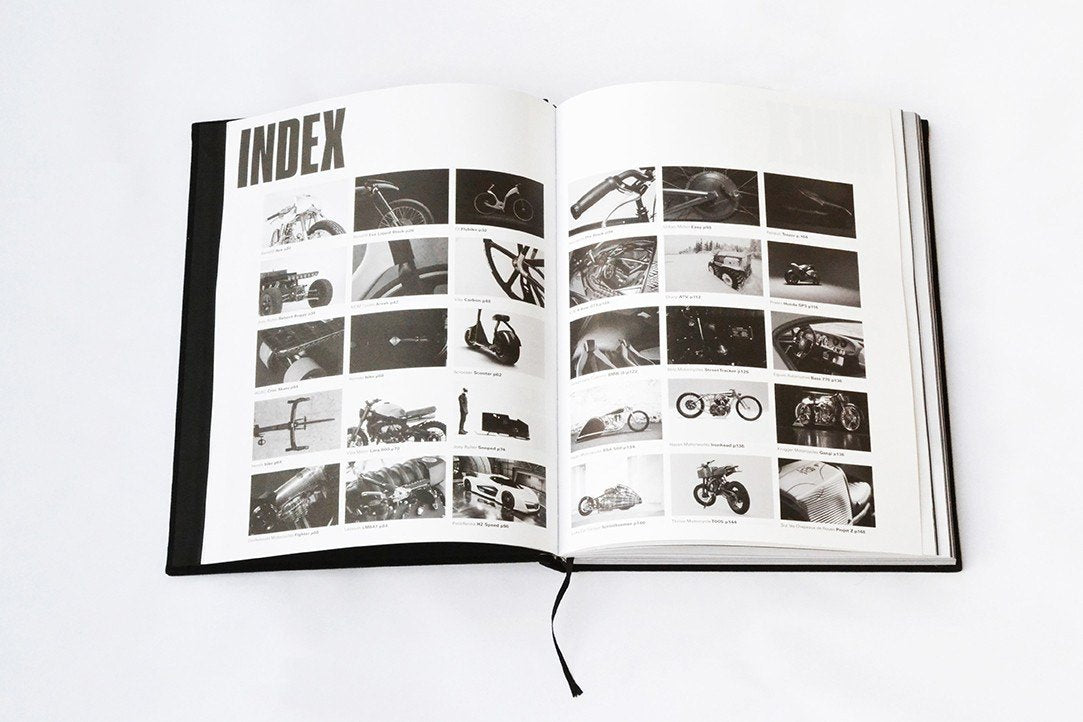
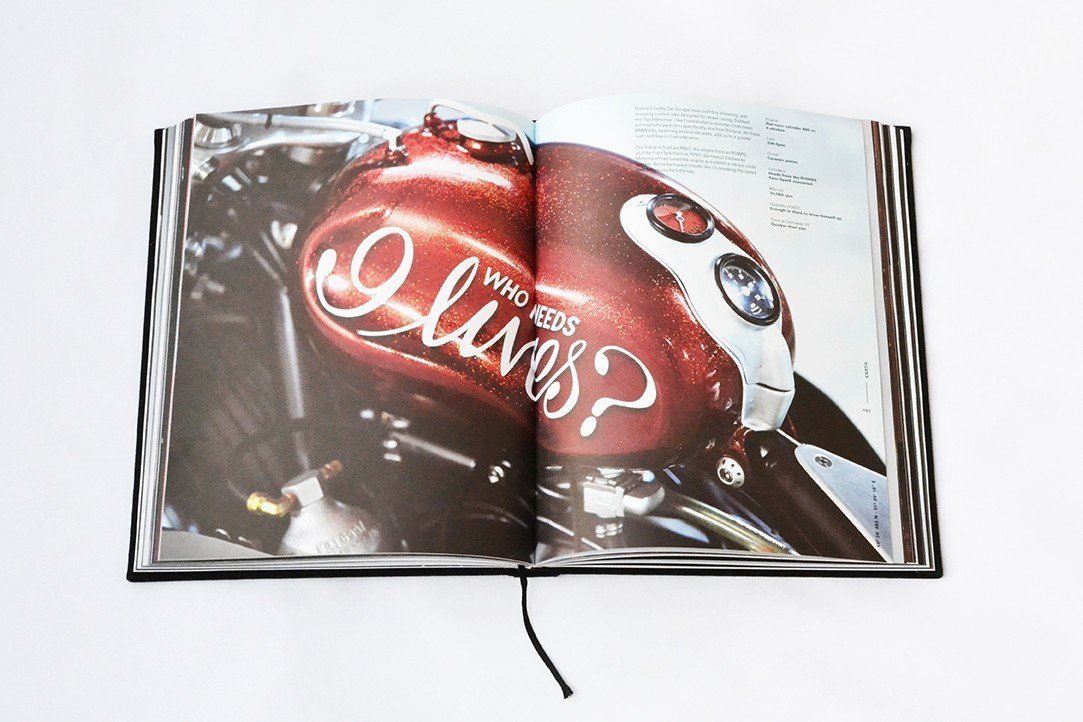
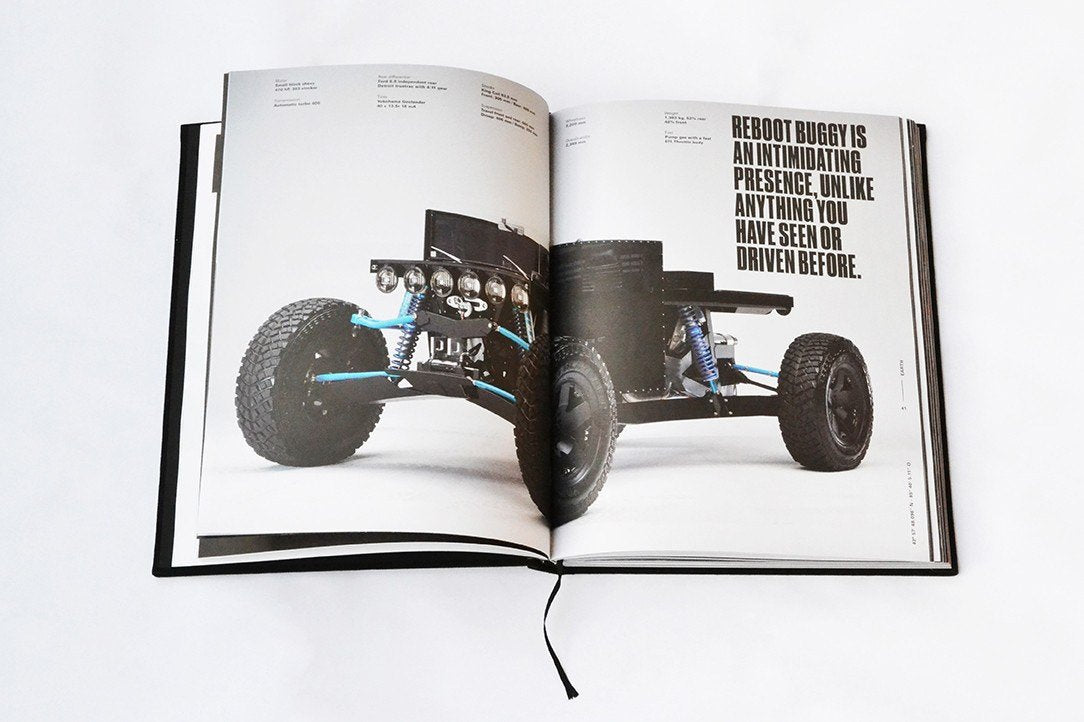
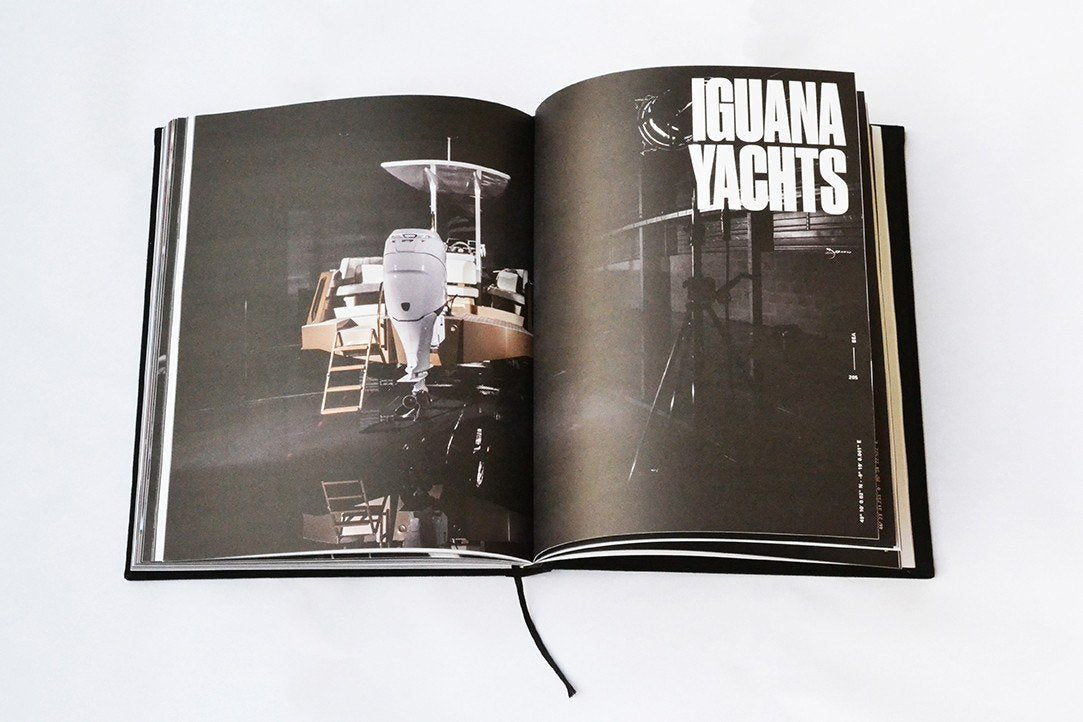
For an organization operating across mobility, design, and physical experiences, visual identity is only one part of the system. The environment, object selection, editorial voice, customer journey, and service behavior must reinforce the same idea. Our work with mobility design studios reflects how visual storytelling can help complex machines become understandable and emotionally engaging.
Document the system in usable guidelines. Include clear examples of correct and incorrect application, but avoid creating a document so restrictive that teams cannot respond to new situations. The purpose of guidelines is to protect recognition while leaving room for creative judgment.
A practical brand experience map can connect strategic intent to key moments. Consider discovery, evaluation, purchase, onboarding, support, community, and advocacy. For each moment, define what the customer should understand, feel, and be able to do. This turns brand strategy into an operational design tool.
Make implementation measurable and adaptable
A framework becomes valuable when people use it to make decisions. Assign ownership for the core elements, establish review routines, and provide teams with tools that make application easy.
Implementation usually requires four layers:
- Strategic alignment: Leadership confirms the purpose, position, promise, audience, and priorities.
- Creative translation: Designers, writers, and producers convert the strategy into identity and communication systems.
- Operational adoption: Teams apply the framework across products, sales, service, partnerships, and experiences.
- Learning and refinement: The organization reviews evidence and updates the framework when conditions change.
Measurement should connect brand indicators with business outcomes. Useful indicators may include unaided awareness, consideration, qualified inquiries, repeat purchase, customer retention, referral activity, perceived distinctiveness, sentiment, and share of search. Select metrics according to the strategic objective rather than collecting every available number.
In 2026, measurement is especially important because many organizations still struggle to demonstrate how brand activity contributes to growth. Gartner reported that 84% of companies were caught in a brand measurement “doom loop,” while companies with strong brand strategy were twice as likely to exceed growth goals. Gartner’s 2026 survey underlines the need to connect brand metrics with revenue, customer experience, innovation, and market expansion.
Do not treat measurement as a final reporting exercise. Establish a baseline before major changes, define the expected movement, and set a review interval. Some indicators may shift quickly, while others require longer observation. A change in visual identity may improve recognition gradually, while a clearer sales message may affect qualified inquiries sooner.
For a broader operating perspective, teams can also review a https://deckadence.io/en/business-framework-model when connecting brand decisions with business structure, priorities, and execution. The brand framework should support commercial clarity rather than operate as a separate creative document.
Use a practical brand strategy framework at every level
How can you turn the framework into a working document rather than an attractive presentation? Keep the structure concise, assign responsibility, and connect every section to a decision the organization must make.
A practical framework can contain the following sequence:
- Context: Document the market, audience, customer needs, cultural conditions, and organizational capabilities.
- Purpose: State why the organization exists and what contribution it wants to make.
- Position: Define the association you want to build and the audience you want to attract.
- Promise: Explain the consistent value customers should expect.
- Proof: Identify the capabilities, experiences, evidence, and behaviors that make the promise credible.
- Personality: Describe the human qualities that should shape behavior and expression.
- Expression: Set the voice, tone, visual system, storytelling principles, and experience cues.
- Activation: Assign channels, owners, priorities, and implementation requirements.
- Measurement: Define indicators, business outcomes, review dates, and improvement actions.
This structure can be adapted for a start-up, a product launch, a repositioning project, or a complex international organization. Smaller teams may need a concise working version. Larger organizations may require separate playbooks for internal communication, customer experience, product development, public relations, and partnerships.
Our concept and brand vision show how a distinctive point of view can connect products, spaces, editorial content, and future-oriented mobility into one coherent experience. The principle is transferable: your framework should help every expression feel like part of the same organization, even when the format changes.
Review the framework at planned intervals, and revisit it when there is a major change in audience behavior, technology, category expectations, leadership, or business direction. Consistency does not mean refusing to evolve. It means changing deliberately, while preserving the associations that create recognition and trust.
Build clarity before building visibility
A strong brand strategy framework gives your organization a shared logic for making decisions. It begins with purpose and audience understanding, converts differentiation into a credible promise, defines how the brand behaves and communicates, and translates those choices into visual and experiential systems. The final step is disciplined implementation, supported by measurement and regular refinement. When these elements work together, brand strategy becomes more than a document. It becomes a practical operating system for growth, trust, and long-term relevance.
Take action with TheArsenale
When your strategy needs to become tangible, the right environment can help people understand it faster. A curated combination of objects, stories, design, and physical experience can turn abstract positioning into something audiences can see, feel, and remember.

Our ecosystem connects future-oriented mobility, editorial storytelling, physical experiences, and design-led products. For a closer look at the objects and visual culture that shape our point of view, explore our culture and design collection.
Frequently Asked Questions
What is a brand strategy framework?
A brand strategy framework is a structured system for defining purpose, audience, positioning, promise, personality, expression, implementation, and measurement. It helps teams make consistent decisions while adapting execution to different channels and situations.
How is a brand strategy framework different from a marketing plan?
Brand strategy establishes the long-term meaning, direction, and experience an organization wants to create. A marketing plan focuses on campaigns, channels, budgets, and activities used to support specific business objectives.
What should be defined first in a brand strategy?
Begin with organizational context, audience needs, purpose, and positioning. Visual identity and campaign planning should follow once the organization understands what it wants to mean, whom it serves, and why its value is credible.
How often should a brand strategy framework be updated?
Review it periodically and whenever major changes affect the audience, category, technology, leadership, or business model. The foundations should remain stable when they are still relevant, while messages, examples, channels, and guidelines can evolve more frequently.
How can TheArsenale support brand strategy work?
TheArsenale Agency provides strategy, creative direction, brand activation, and production services for mobility, automotive, and luxury brands. Its wider ecosystem also connects editorial storytelling, 3D design, exhibitions, and curated mobility experiences.