CITROËN AND BASF UNVEIL ELECTRIC CONCEPT CAR "OLI"

The Citroen Oli electric concept car is a collaboration between Citroen and BASF that challenges nearly every assumption the automotive industry makes about electric vehicles. Rather than maximizing range, power, or luxury, the Oli concept asks a different question: how little can a car be and still deliver everything a family needs?
What Is the Citroen Oli Concept?
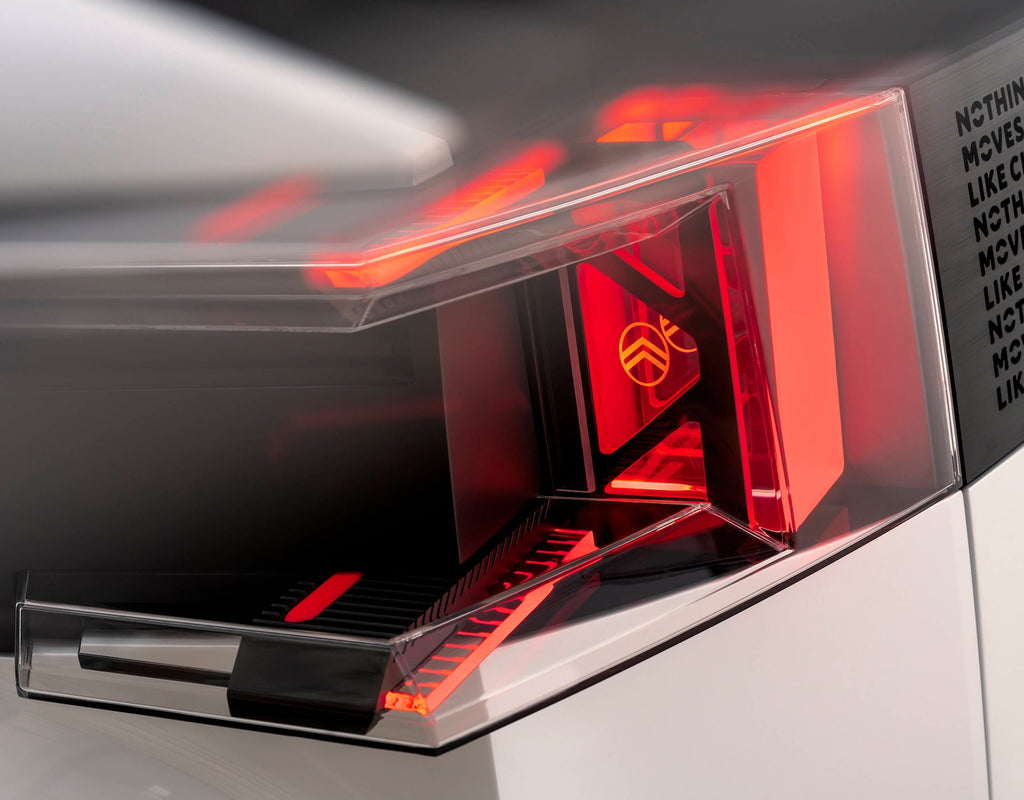
Unveiled in 2022, the Oli is a fully electric concept car built around the principle of responsible simplicity. Citroen and BASF used the project as a laboratory to test how advanced materials, additive manufacturing, and minimalist design could combine to produce an electric vehicle that is genuinely lighter, more durable, and easier to recycle than the cars on sale today. The Oli weighs under 1,000 kilograms, a figure that most mainstream EVs cannot approach.

3D-Printed TPU: The Material Breakthrough
The Oli's interior makes unprecedented use of TPU, a single thermoplastic polyurethane material that is both highly flexible and 100% mechanically recyclable at end of life. Approximately twenty components were 3D-printed using BASF's Ultrasint TPU88A, including the mesh seat backrests that give the cabin its distinctive breathing grid pattern. By committing to one material type across multiple parts, Citroen and BASF created a recycling pathway that complex multi-material interiors cannot match.
Corrugated Roof and Additive Manufacturing
The roof panel is another material innovation: Citroen co-developed it with BASF using recycled corrugated cardboard sandwiched between fiberglass reinforcing layers, forming a honeycomb structure that is light, rigid, and made largely from post-consumer waste. The floor features a sneaker-inspired pattern also produced through 3D printing. Every manufacturing choice in the Oli is made with minimal waste and maximum durability in mind.

Why the Oli Matters for the Future of EVs
Laurence Hansen, Citroen's Product and Strategy Director, framed the Oli as proof that electric mobility can be fun and efficient without adding weight and complexity. Uta Holzenkamp, BASF's President of Coatings, described the collaboration as a step toward a more sustainable future that requires innovation and creative minds from multiple disciplines working together. The Oli is not a production car, but the material solutions it demonstrates are directly transferable to vehicles that will reach buyers in the coming years.

Read the full technical breakdown at BASF's official press release and at Designboom's Citroen Oli feature. Explore forward-thinking vehicles at TheArsenale's car collection, the Smart Bleu by TheArsenale Edition electric car, and the Renault AIR4 concept art car for more electric mobility concepts that challenge convention. Photo: Citroen and BASF