Future Mobility Concept Stores: What Visitors Should Expect
Why visit a store to explore tomorrow’s transport when images and specifications are already online? Seeing an object at human scale can make its design, engineering and intended use easier to assess. At TheArsenale’s futuristic concept store in Dubai, a physical venue brings future-facing mobility into a curated setting.
A strong future mobility concept store connects display with context, questions and discovery across land, sea and air. The 2026 McKinsey Mobility Consumer Pulse surveyed more than 20,000 users across five markets and describes changing preferences alongside the growing role of digital channels. That makes an in-person visit most useful when it adds direct observation and human guidance to online research, as the 2026 mobility survey explores.
What should a visit offer beyond a row of vehicles?
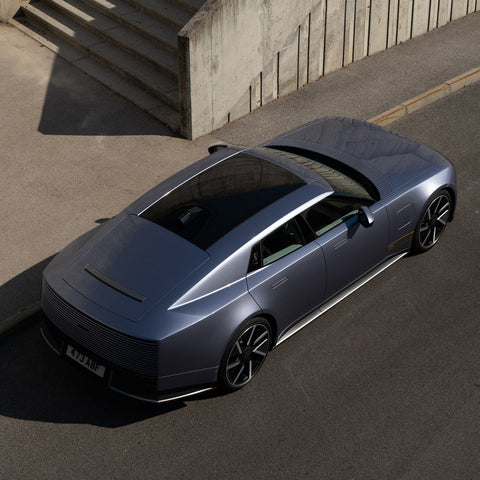
A considered visit gives you more than a quick look at an unfamiliar machine. It brings objects together in a setting that helps you notice their form, scale, materials and relationship to different modes of transport.
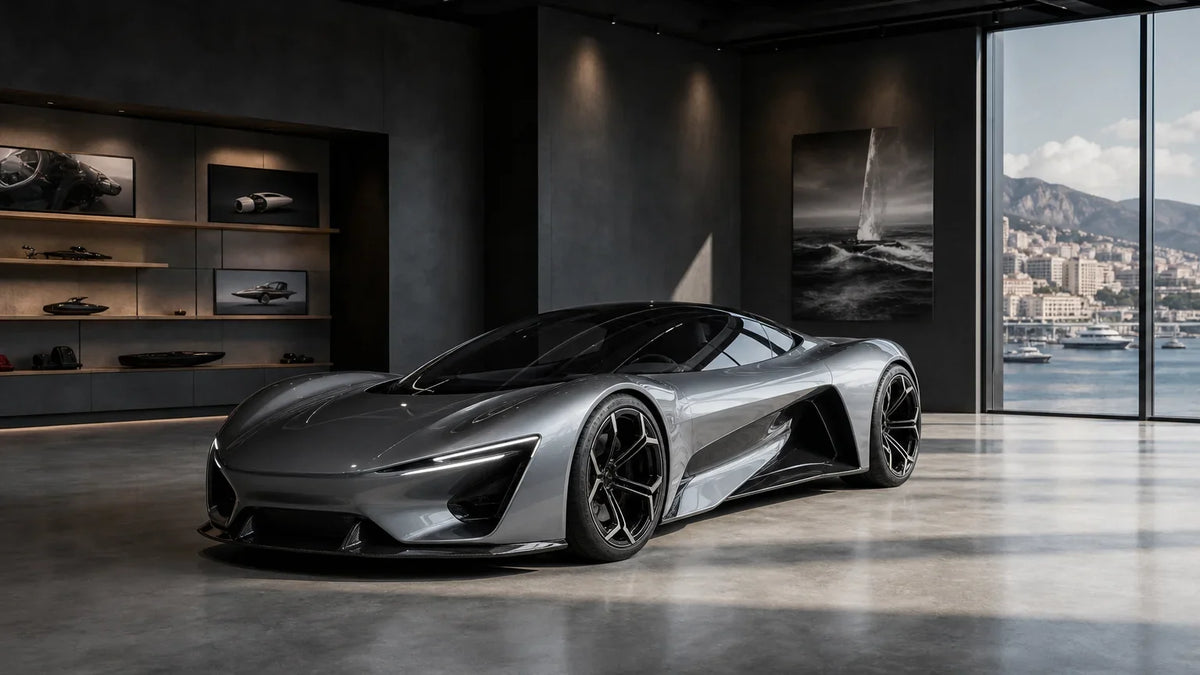
Our wider mobility world spans cars, motorcycles, flying vehicles, boats, bicycles and personal submarines. A particular venue or exhibition may show only some of these categories, so check its current program rather than expecting every type at every location. The Monaco location, for example, is presented as TheArsenale’s mobility hub in Monaco.
Look for a curated mobility exhibition that gives each object room to be understood. A display can prompt questions about a vehicle’s design or purpose, while staff can help direct your attention to details you might miss in a photograph. The value is in the encounter and its context, not simply in the number of objects on view.

How can exhibits make emerging mobility easier to understand?
New transportation ideas often raise practical questions alongside excitement. A useful exhibit helps you separate what is demonstrated from what is conceptual, and gives you room to ask how an idea might work in real life.
Public attitudes can vary even around familiar emerging technologies. In its 2026 report covering 31 countries, Ipsos found that 36% of people said they would feel safe in a self-driving car, while 36% said they would feel unsafe. That split does not show what a store can change, but it underlines why clear explanations and open questions matter. You can consult the 2026 Ipsos Mobility Report for its wider view of mobility attitudes.
When you visit, ask whether a displayed vehicle is a working product, a prototype or an exhibition object. You can also ask what the display is intended to communicate, and whether there is an opportunity to learn more. This keeps the experience informative without assuming that every exhibited concept is available to use or buy.
What should you look for during a worthwhile visit?
Before travelling, decide what would make the visit useful to you. You may want to see an unfamiliar type of vehicle, understand a design approach or speak with someone about a particular mobility interest. A few simple checks can help you make the most of the time.
- Real objects: Does the venue display machines or design details you can examine in person?
- Useful context: Can you understand what an object is and why it is included?
- Room for questions: Is there a way to ask about the exhibit or your interests?
- Clear visit details: Can you confirm the current program and opening information?

Why does an immersive encounter matter?
A physical exhibition can turn a broad idea into something you can consider closely. Instead of encountering mobility only as a specification or image, you can view a machine at full scale, notice its design and ask questions in the space around it.
That experience should give you something to reflect on, rather than relying on spectacle alone. VML’s 2026 research found that 87% of global consumers agreed the best experiences leave them feeling changed. The finding is about experiences generally, not mobility stores specifically, but it offers a useful lens for judging whether an exhibition has engaged your attention. Read the 2026 experience research for the survey context.
Our stores and exhibitions are designed as mobility experience hubs, where curated machines and mobility culture can be encountered in person. What is on view can vary by location and event, so consider the announced program when deciding whether a particular visit fits your interests.
Where can you visit, and what should you confirm?
Our six international locations are in Dubai, Monaco, Doha, Macau, New York and Miami. The stores also connect with a wider mobility marketplace and a network of builders, designers, suppliers and brands, giving visitors several ways to explore mobility interests beyond a single display.
For a Miami visit, see Miami’s mobility concept store. For Doha, read about TheArsenale’s Doha store opening. These pages introduce the respective locations, but they should not be treated as confirmation of current hours or exhibits.
Before you set out, confirm the location’s latest opening details and exhibition information. If you are planning around a particular machine or topic, check whether it is part of the current display. Store experiences and programming can differ, so a little preparation helps set realistic expectations.
Make the visit count
The best future mobility concept stores make it easier to look closely, ask informed questions and connect transportation ideas with real objects. Choose a visit that matches your interests, check the local program before travelling and treat each exhibit as an invitation to explore, not a promise that every concept is available to experience.
Explore TheArsenale stores
If you want to encounter mobility objects and design in person, a store visit can add perspective that online browsing cannot provide on its own. Consider which city and mobility themes interest you, then confirm the details for the location you plan to visit.

Our six concept stores in Dubai, Monaco, Doha, Macau, New York and Miami serve as activation hubs for curated machines, exhibitions and mobility culture. Explore TheArsenale stores to find a location and plan your visit.
Frequently Asked Questions
What is a future mobility concept store?
It is a physical space where visitors can encounter mobility objects, design ideas and exhibitions. The display may span different forms of transport, depending on the venue and program.
What can visitors expect to see?
Exhibits may include vehicles and other mobility objects, presented in a curated setting. Displays can vary by location and event, so check the current program before visiting.
Can visitors test drive or use displayed vehicles?
Do not assume that a displayed object is available for a test drive or hands-on use. Confirm the specific experience with the venue before making travel plans.
How should I prepare for a visit?
Choose the mobility topics you are most interested in and check the location’s current hours and exhibition information. If you want to see a particular object, confirm that it is on display.
Where are TheArsenale’s concept stores?
Our six locations are in Dubai, Monaco, Doha, Macau, New York and Miami. Each supports curated mobility experiences, while specific exhibits and visitor details may differ by location.