Jetman Team Succeeds in First-Ever Human Winged Flight

The Jetman first human winged flight succeeded where decades of jetpack attempts had stalled. The Jetman team, led by pilot Vince Reffet, demonstrated a complete transition from electronically balanced hover to fast, sustained winged flight, reaching 1,800 metres altitude and speeds approaching 400 km/h using a carbon-fiber jetpack powered by four kerosene micro-turbines.
What Makes the Jetman System Unique?
Most personal flight projects focus on lifting a vehicle with a person inside it. Jetman does something fundamentally different: the pilot wears the aircraft. The carbon fiber wing structure attaches to the pilot's body and integrates four miniature jet engines, each producing roughly 22 kg of thrust. The total system weighs under 55 kg, including fuel.
This philosophy allows a level of maneuverability that no enclosed eVTOL or air taxi can replicate. The pilot uses body position and weight shift alongside thrust vectoring to control direction, executing barrel rolls, climbs, and level high-speed transits in ways that look more like aviation stunts than commuter transport.
The Flight That Changed Everything
The demonstration that achieved the first VTOL-to-winged-flight transition began with Vince Reffet hovering in place using electronically stabilized thrust. Within seconds, the system transitioned to horizontal flight and the pilot accelerated to full speed. After a high-altitude transit over open sky, Reffet deployed a parachute for landing.
What separates this flight from previous Jetman performances is the electronic stability system. Prior demonstrations required the pilot to manage attitude manually from the moment of ignition. The new system holds the hover autonomously, reducing the workload dramatically and making VTOL departure viable for non-aerobatic pilot profiles.
Personal Aviation: From Concept to Collection
The Jetman project sits at one extreme of the personal aviation spectrum: raw, pilot-centric, exhilarating. At the more accessible end, eVTOL platforms like the XPENG X2 flying car and autonomous passenger drones like the Ehang AAV offer flight without requiring aerobatic skill. The common thread is the goal shared by all: making the sky accessible to individuals.
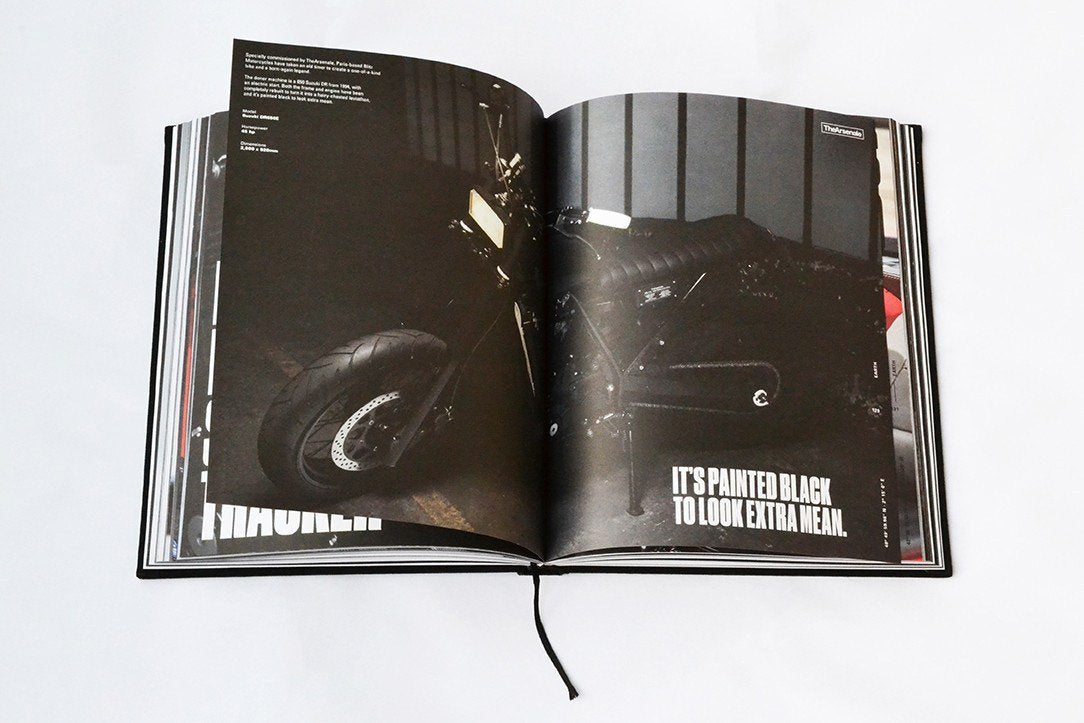
Discover the full range of personal flying machines, from jet-powered aircraft to eVTOL platforms, in TheArsenale's air collection.