MITSUBISHI AND IED UNVEIL FUTURISTIC MOONSTONE

The Mitsubishi Moonstone concept is a fully electric crossover SUV created through a collaboration between Mitsubishi Motors and IED (Istituto Europeo di Design) in Torino, Italy. Designed by 17 students from IED's Master Course in Transportation Design, the Moonstone was selected by Mitsubishi from a field of 17 competing proposals as the most compelling vision for the brand's future electric vehicle direction. Combining AWD performance, expressive exterior lines, and a minimalist interior, the Moonstone hints at where Mitsubishi's EV roadmap may lead over the next decade.
What Does the Mitsubishi Moonstone Concept Look Like?
The Moonstone measures 183.4 inches in length, 78.7 inches in width, and 66.1 inches in height, with a 106.3-inch wheelbase that falls within the crossover segment. The exterior strikes a balance between dynamic aggression and aerodynamic efficiency, with sculpted flanks and a forward-leaning stance that communicates the all-electric, all-wheel-drive brief clearly. The design language draws on natural references, much like the gemstone it is named after: cool-toned surfaces that catch light differently depending on viewing angle.
IED is one of Europe's most prestigious automotive design schools and has previously collaborated with Audi, Porsche, Hyundai, and Renault on student concept projects. The Moonstone marks Mitsubishi's return to meaningful concept design after a period of relative quiet in the EV concept space. For a closer look at IED's design philosophy and other student projects, visit the IED official site.

Interior Design: Minimalism and Continuous Glass Architecture
Inside the Moonstone, the design team eliminated conventional visual clutter to create a driver-centric environment that feels more like a private cockpit than a traditional SUV cabin. A compact instrument cluster, three driver-oriented tactile switches, and a single hexagonal dial replace the button-heavy dashboards of conventional crossovers. The material palette emphasizes clean surfaces and natural tones aligned with the concept's sustainability ethos.
The most architecturally distinctive decision is the removal of the A-pillars as a visual element, combined with the elimination of a conventional centre tunnel. These two moves create a continuous glass surface between the side windows and windshield, flooding the cabin with light and producing an unusually open, airy feel for a vehicle of this size. The result is a concept interior that would feel at home in a luxury architectural space as much as in an automotive context. Automotive design media including Car and Driver covered the Moonstone's reveal and its implications for Mitsubishi's design direction.

What the Moonstone Means for Mitsubishi's EV Future
Mitsubishi has publicly stated it plans to launch a series of electric vehicles over the next five years, and the Moonstone provides a design framework that could inform production models. The brand currently has no fully electric vehicles on sale in the United States and only a limited number of zero-emissions models in Asia, making the Moonstone a signal of genuine ambition rather than a mere styling exercise.
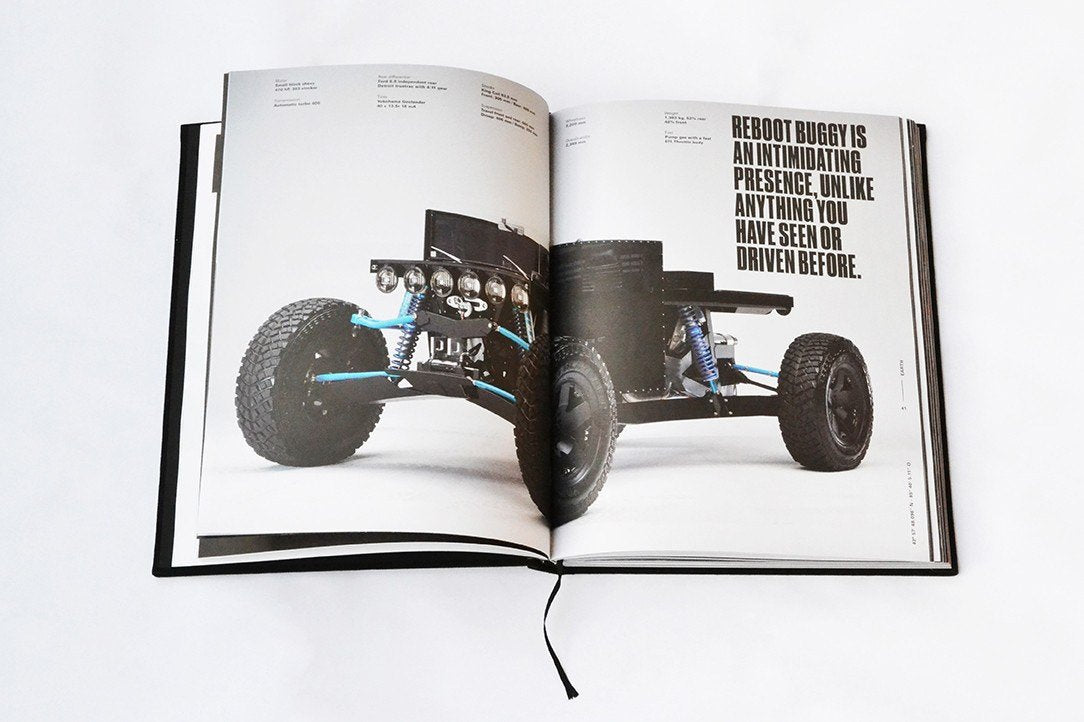
The collaboration model, partnering with an external design school to generate a production-influencing concept, mirrors approaches taken by established premium brands and suggests Mitsubishi is prioritising design credibility as it builds its EV identity. For those inspired by the world of electric concept vehicles and futuristic automotive design, TheArsenale curates boundary-pushing vehicles across every category. Explore the TheArsenale cars collection for extraordinary machines, or discover concept and electric vehicle alternatives including the REBOOT Buggy, a minimalist take on electric off-road mobility by designer Joey Ruiter, and the full range in the TheArsenale electric vehicle collection.

Photo: Mitsubishi and IED