Citroën 2CV: Why the New Electric Icon Could Matter More Than Ever
Citroën is preparing a new electric model inspired by the 2CV. For me, the real question is not whether it will look retro — it is whether it can bring back the original car’s radical sense of freedom.
By Pat Meignan
I have always loved cars with a clear reason to exist.
Not cars designed to fill a market segment, add another screen or chase a trend for two years. I mean cars that answer a real human need with personality, intelligence and a little bit of audacity. The original Citroën 2CV was exactly that.
It was never created to be fashionable. It was created to move people: comfortably, affordably and across difficult roads. Its brief was famously simple and almost poetic — carry people and a basket of eggs across a field without breaking them. From that idea came one of the most recognisable, democratic and charming cars ever made.
Now, Citroën is bringing that philosophy back.
The brand has officially confirmed that a future electric model will draw inspiration from the spirit of the 2CV: affordable, practical, lightweight in its thinking and designed around real life rather than unnecessary excess. Citroën’s announcement is careful not to reveal every technical detail yet, but the intent is clear: the 2CV is returning as an idea before it returns as a car.
And honestly, this is exactly the right moment for it.
The 2CV was never about nostalgia
Most automotive revivals make one mistake: they confuse recognition with relevance.
They borrow a famous name, reproduce a few visual details, add a large battery, increase the price and hope nostalgia will carry the project. But the 2CV deserves more than a retro silhouette. Its real legacy is not the rounded bodywork, the fabric roof or the headlights. Its legacy is the belief that mobility should be accessible, useful and joyful.
That is a much harder brief to meet in 2026.
Cars have become larger, heavier, more expensive and increasingly complicated. Even compact electric cars can feel disconnected from the original promise of personal mobility: freedom without intimidation. A new electric Citroën 2CV has the potential to challenge that direction.
It does not need to be the fastest car. It does not need an enormous range figure. It does not need to pretend to be premium.
It needs to be clever.
A new electric Citroën 2CV should feel human
The original 2CV was brilliantly honest. You could understand it immediately. It looked different because it was different. Every decision served an everyday purpose.
That is the quality I hope Citroën protects with this new generation.
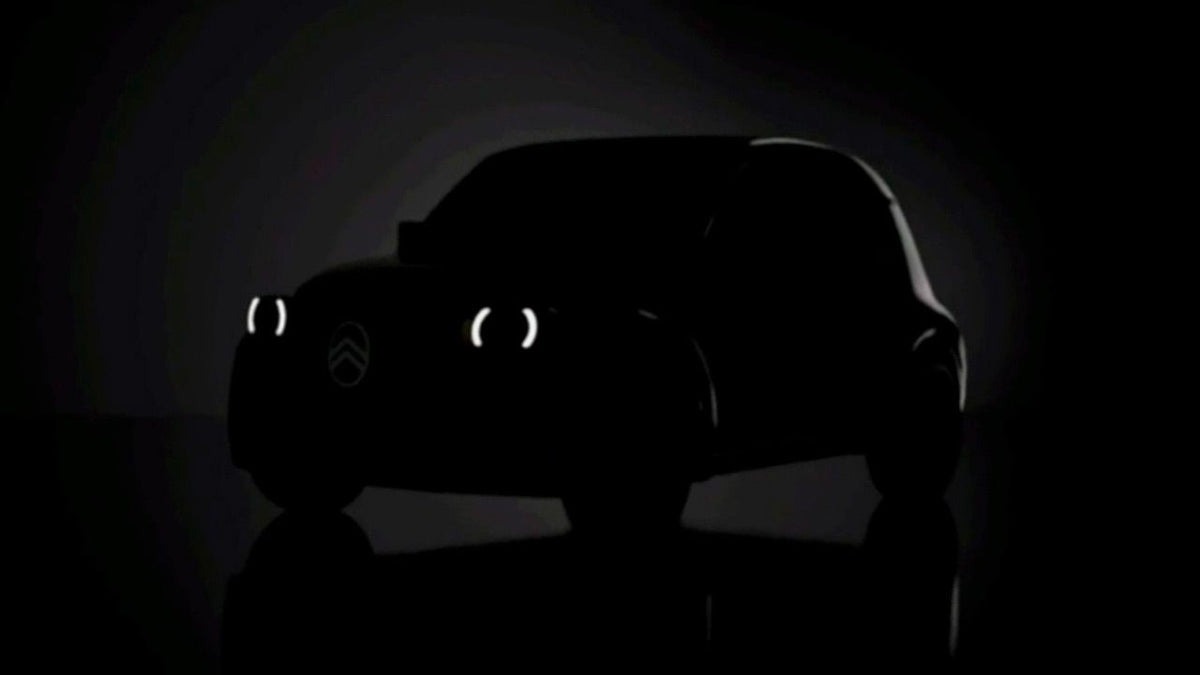
The first preview images reported by L’Auto-Journal suggest a design that respects the proportions and character of the original: a compact, rounded form, upright lighting, simple wheels and a familiar visual warmth. These details matter, but only if they are connected to a car that is genuinely easy to own, easy to charge, easy to park and affordable enough to make a difference.
Citroën has not yet confirmed final battery capacity, range, performance, dimensions or pricing. Reports suggest a target price around €15,000, which would be ambitious and hugely significant if achieved. A genuinely affordable electric 2CV could become much more than a design exercise; it could become a serious response to the rising cost of urban and everyday mobility.
That would be very Citroën.
The original idea is more modern than ever
The 2CV was launched in a world that needed simple, dependable transportation. Today, we have different technology, but many of the same needs.
People want to move through cities more easily. They want lower running costs. They want products that do not demand too much attention, space or money. They also want character. The problem is that modern mobility often gives them one of those things while taking away the others.
The new electric Citroën 2CV could bring them back together.
There is something powerful about the idea of an electric car that is not trying to impress you with complexity. A car that feels light in spirit. A car designed for the school run, the market, the coast, the countryside, the city centre and the spontaneous weekend away.
That is what made the original 2CV special. It made movement feel possible.
The challenge is to stay true to the brief
Of course, this project comes with enormous expectations. The 2CV is not just a historic Citroën; it is part of French cultural memory. Everyone has an opinion about what it should be, what it should look like and what it should cost.
But I do not think Citroën should try to recreate the past.
The brand should recreate the courage behind it.
The next 2CV should be electric because that is where everyday mobility is going. It should be modern because the world has changed. But it should also be simple enough to understand, affordable enough to matter and distinctive enough to make people smile when they see it.
That is the real opportunity here.
Citroën has confirmed that more details are coming, and the Paris Motor Show is expected to be an important moment for the project. Until then, we can debate the design, imagine the colours and speculate about the technical specifications.
For me, though, the essential point is already there.
The 2CV was never just a car. It was an optimistic answer to a practical question: how can mobility make life easier for more people?
If Citroën can answer that question again with the new electric 2CV, it will not simply revive an icon.
It will make it relevant all over again.