New Land Rover Defender 4x4

The new Land Rover Defender 4x4, launched in 2020 after a four-year production gap, is one of the most significant vehicle rebirths of the past two decades. The original Defender ran for 67 years before tightening emissions regulations forced its retirement in 2016. What replaced it was a machine that preserved the character of the original while introducing a completely new aluminium platform, a 296 hp turbocharged four-cylinder base engine, an available 395 hp inline-six mild-hybrid, and an off-road capability that exceeds its predecessor in virtually every measurable metric.
Why the Original Defender Ended in 2016
The original Land Rover Defender, produced continuously from 1948, was retired not because demand had dried up but because its design predated modern emissions and safety regulations and could not be cost-effectively modified to comply with Euro 6 standards. Land Rover announced the end of production in 2015, delivered the last classic Defender in January 2016, and spent the following three years developing a successor from a clean sheet. The brief was direct: retain the capability and character of the original while building something that could meet 21st-century safety, comfort and emissions requirements on every continent.

The 2020 Defender: What Changed
The new Defender was formally unveiled at the Frankfurt Motor Show in September 2019 and went on sale in 2020. It is built on Land Rover's D7x aluminium architecture, the most rigid structure the brand has ever produced. The body-on-frame construction of the original is replaced by a monocoque that delivers greater torsional stiffness, better crash performance and a lower centre of gravity. The exterior retains the boxy profile, short overhangs and side-hinged rear door of the classic, but the surfaces are smoother and the proportions are wider and lower than the vehicle they replace.

Off-Road Capability: Engineering the Extreme
Land Rover's stated development targets for the new Defender included operation at temperatures from -40 degrees Celsius to 50 degrees above, at altitudes up to 4,000 metres and through water up to 90 cm deep. The production vehicle delivers on each point. Standard equipment includes a two-speed transfer case, adaptive air suspension, an updated Terrain Response system, hill descent control and an off-road front-facing camera. Maximum ground clearance reaches 291 mm in the 110 body style, and the approach, departure and breakover angles exceed the original Defender's geometry in all three axes. The 2020 Defender is, by objective measurement, a more capable off-road vehicle than the one it replaced.

Interior and Technology
The interior represents the largest departure from the original Defender's character. A 10-inch Pivi Pro touchscreen, configurable 12.3-inch digital instruments, Apple CarPlay, Android Auto and over-the-air update capability replace the utilitarian dashboard of the classic. The seats are designed to accommodate the dirt and wet of serious off-road use while meeting the same ergonomic standards as Land Rover's luxury range. Optional equipment includes a fixed panoramic roof, a fold-out gear table between the front seats and a rear-facing jump seat in the load compartment.

The Defender at TheArsenale
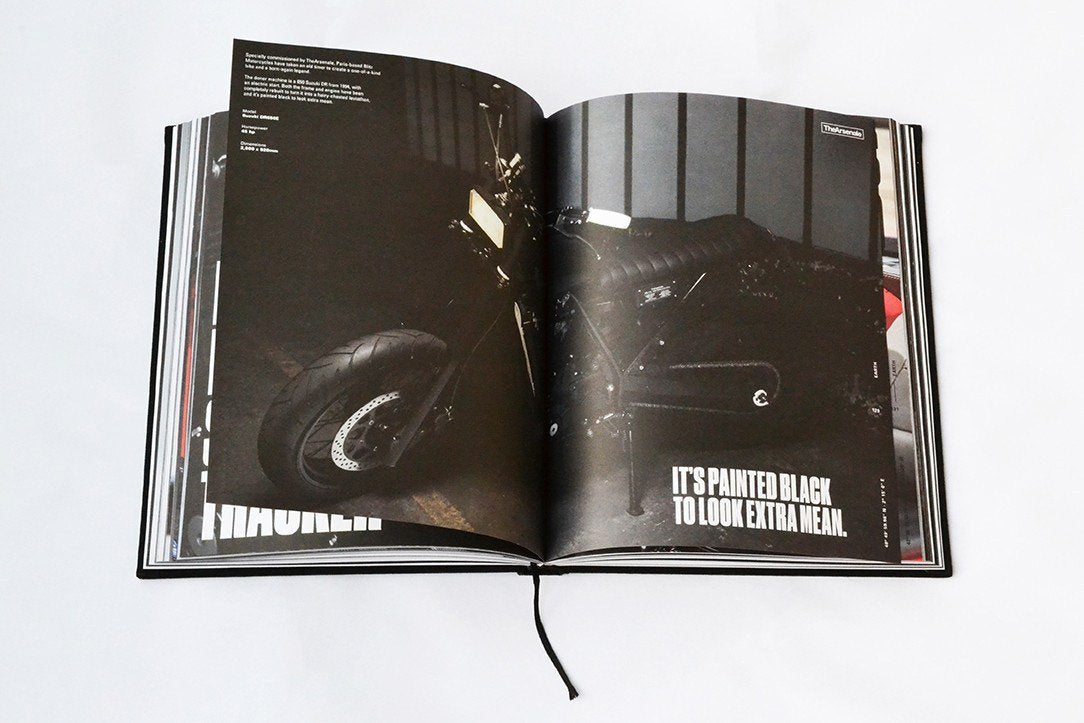
TheArsenale's appreciation for the Defender's combination of function, heritage and character is reflected in the Petrology x TheArsenale Land Rover Defender 90, a curated example that brings the classic Defender's analogue spirit to those who know what the name means. For the full range of curated 4x4 and adventure vehicles, explore the TheArsenale Cars collection.