What is a Café Racer? TheArsenale Defines this Symbol of Cool

A café racer is a lightweight motorcycle stripped down and tuned for speed and handling rather than comfort, recognisable by its low clip-on handlebars, rear-set footpegs, elongated fuel tank and single humped seat. The style was born in 1960s Britain, when young riders raced between cafés, and it remains one of the most influential movements in motorcycle culture. Below, TheArsenale breaks down where the café racer came from, what defines one, and the custom builds you can own today.
A little history
A café racer is a lightweight motorcycle optimised for speed and handling rather than comfort. These bikes carry a lot of history, especially in their name. The term took shape in the 1960s among British riders, who would strip their motorcycles of extra parts and race between cafés. Those quick sprints between young riders gave the style its name. The movement centred on London's Ace Cafe, the meeting point of the "ton-up boys" who chased 100 mph runs.

Anatomy of a café racer
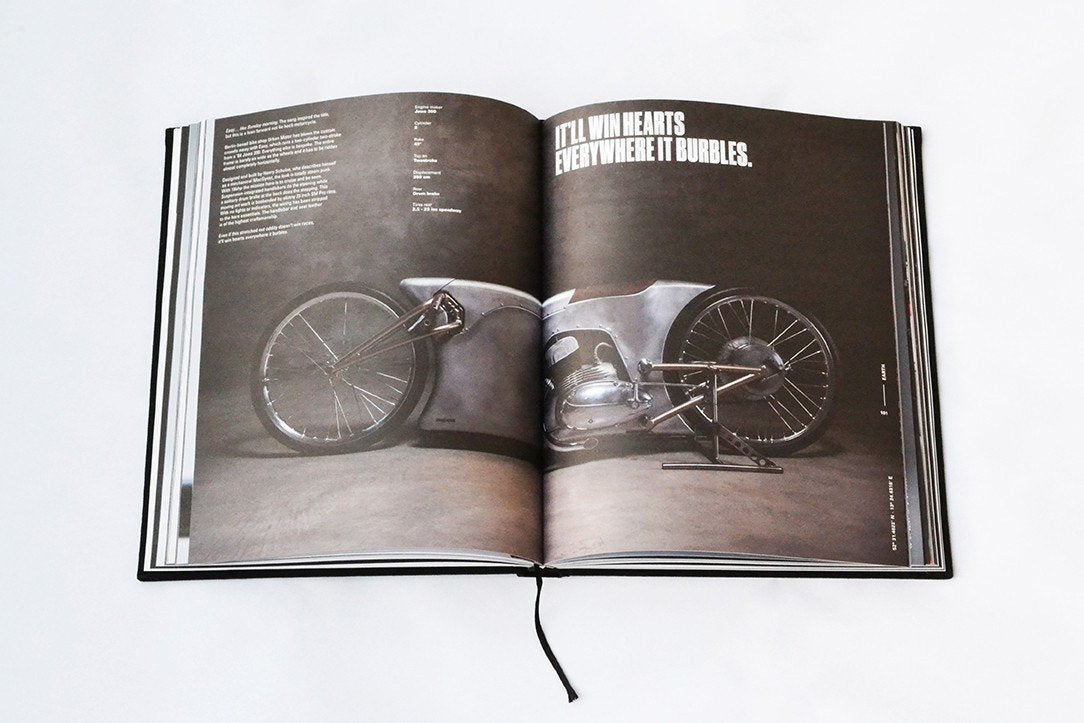
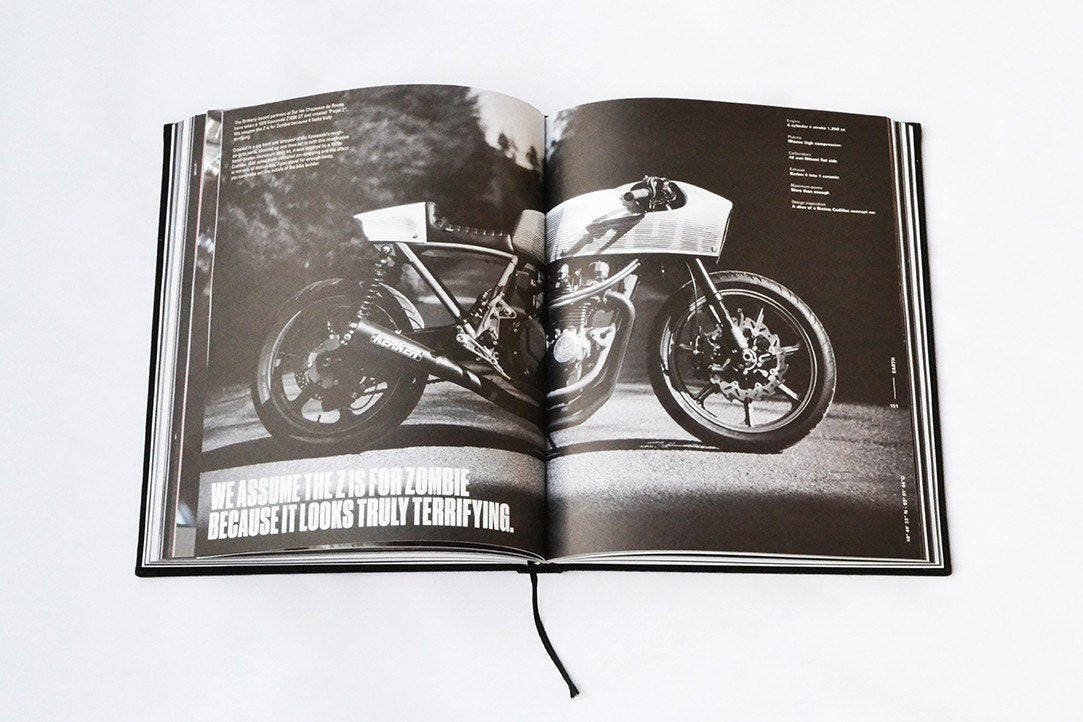
Café racers are essential motorcycles at their core. Engines are tuned and modified to improve performance. Along the whole motorcycle you notice a low-riding position, with indentations in the fuel tank to allow for knee-grips. The riding position calls for rear-set footrests and foot controls, a heritage of the racing motorcycles of the 1950s. The handlebars are usually clip-ons pointing downwards. Most custom café racers we see today have a flat seat that flows neatly along the gas tank. Some café racers add fairings up front to improve aerodynamics and to keep the rider out of the windblast at high speed.

Café racers and popular culture
In the beginning, café racers were tied to the rebellious nature of the young riders who created and raced them through British streets. Born out of necessity, they were the choice of young British riders who could not yet afford a car. A decade later, as the average British person could afford a car, café racers turned into the popular motorcycles we know today, a symbol of rebellion. Stripped of unnecessary parts, these bikes radiated style as they shot past their favourite cafés. The culture that grew around the Ace Cafe and the ton-up boys is documented in depth by British Customs.

Ducati Pandora by Young Guns Speed Shop on TheArsenale: discover the Ducati Pandora café racer.
Modern day café racers
Over time, café racers were widely appreciated for their quick character and customised look. People grew attached to these bikes and valued them more as the years passed. What started as a simple strip-and-race exercise became a sophisticated art of motorcycle building. The shape of motorcycles changed in the 1970s when fibreglass panels reached the racing world. What was once a rounded tank on a lightweight frame became a fibreglass body wrapped around a now-hidden frame. Builders began to mix flexible frames such as Norton Featherbeds with popular racing engines like the Triumph Bonneville. These motorcycles were called "Triton", or other names blending frame and engine (Tribsa, Norvin and so on).

BMW K75 Scrambler by The Foundry Mc. available on TheArsenale: ride the BMW K75 Scrambler.
From there, more and more garages learned to create beautiful café racers. They learned to sculpt the naked bodies of the motorcycles and shape custom tanks that flow along the seat lines. The world of modern café racers was born. Today, thousands of workshops worldwide work on their own café racer projects, from apocalypse-ready builds to race-oriented ones. The number of different café racers is impossible to count, but rest assured: somewhere a garage is building a café racer just the way you want it. Browse TheArsenale's full collection of custom café racer and scrambler motorcycles to see the range.

CRSS #4 1979 Honda CBX1000 available on TheArsenale: get the CRSS #4 Honda CBX1000 café racer, or explore its sibling, the CRSS #9 Yamaha XV750 café racer.
Factory model café racers
More recently, motorcycle manufacturers noticed the ever-growing interest in café racers, from social media to huge international meetings and festivals built around these motorcycles. This culture could not be ignored, so many brands decided to serve the niche. BMW offers the R nineT Racer, Ducati the Scrambler Café Racer, Yamaha the XSR900 Abarth, Harley-Davidson the XL1200CX Roadster, and Royal Enfield the Continental GT.

A factory model saves time for the enthusiast who does not have the space, time, knowledge or money to build their own. It offers the café racer look with the reliability of a major manufacturer. Still, a café racer you build yourself is always going to be yours. A bike built in a garage carries character, because it received special attention and a one-off treatment. No motorcycle is ever built quite the same way. For a modern take, even the electric era has its own interpretation, like the Manx7 electric café racer by TheArsenale.

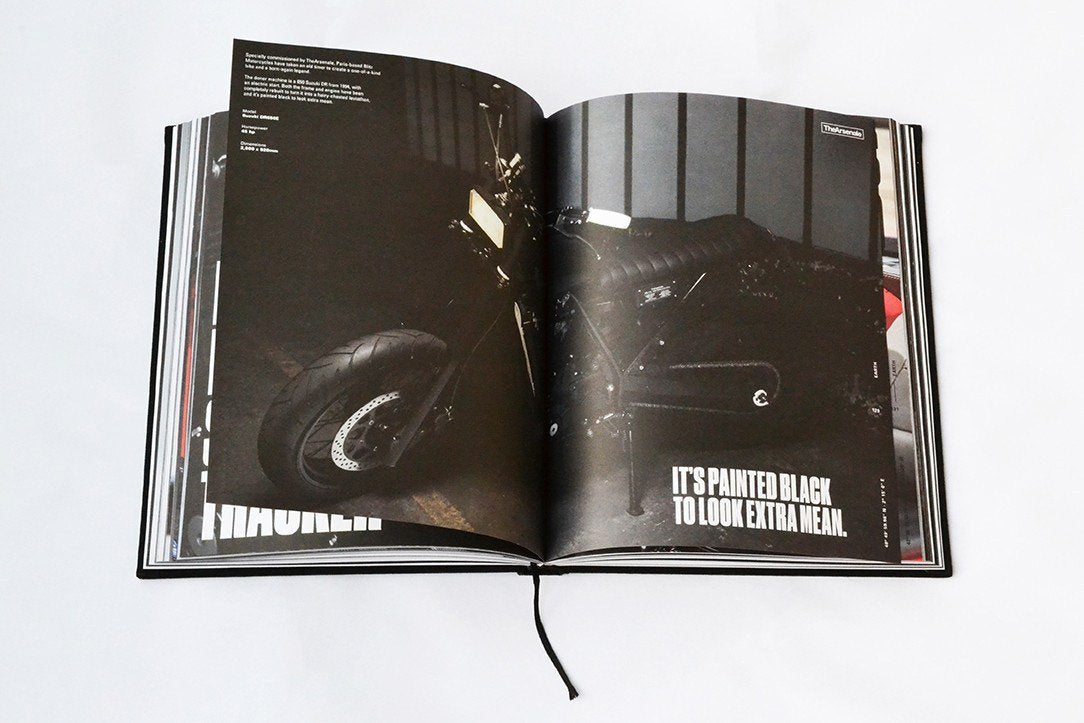
DA#5 Suzuki DR650 available on TheArsenale: make the DA#5 Suzuki DR650 by Diamond Atelier yours.
For the full definition and a deeper history of the style, see the reference entry on the café racer. TheArsenale will soon publish a definitive dictionary of the different styles of custom motorcycles, so stay tuned.