Triton Submarines and Patrick Lahey: The Deep-Sea Vision

How does a diver who first descended in 1975 become the person who builds the machines that carry billionaires, scientists, and filmmakers to the ocean floor? The answer sits at the center of the story of Triton Submarines and Patrick Lahey, a partnership between engineering discipline and deep-sea ambition. We at TheArsenale follow this world closely, and our feature on Project Neptune by Triton x Aston Martin reflects that fascination.
Lahey has participated in the design and testing of more than sixty manned submersibles across his career. According to a Forbes interview, he has been involved in underwater exploration since he began diving as a teenager. That depth of experience shapes every craft the company delivers today.
Who Is Patrick Lahey and How Triton Began
The name behind triton submarines patrick lahey belongs to an engineer who treats the ocean as both a workplace and a lifelong pursuit. Company records indicate that Triton Submarines was founded in 2008 by L. Bruce Jones and Patrick Lahey, and that Lahey now leads it as chief executive from its base in Sebastian, Florida.
The company operates as a bespoke manufacturer rather than a mass producer. Historically, it has delivered only one or two personal submersibles per year, with prices ranging widely depending on depth rating and specification. This deliberate scale allows the team to concentrate on engineering precision and classification compliance rather than volume.
Lahey has repeatedly framed his proudest achievement as the team itself rather than any single machine. That philosophy, expressed in his Forbes remarks, positions the company as a collective of specialists in ocean engineering, mechanical assembly, and pilot operations.

The Machines That Made Triton Famous
One vessel defines the company's reputation above all others. The Triton 36000/2, first named the Limiting Factor, became the first commercially certified full-ocean-depth crewed submersible. Records show that it carried Victor Vescovo to the deepest point of the Mariana Trench, roughly 10,925 metres, during the Five Deeps Expedition.
That expedition delivered far more than a record. As Lahey recounted to Forbes, the mission mapped vast stretches of the deep ocean, collected hundreds of thousands of samples, and identified dozens of previously unknown species. The craft was later sold and renamed Bakunawa by its new owner.
Beyond the record breakers, Triton builds craft designed for yacht owners and explorers who seek comfortable, panoramic access to the deep. If that world appeals to you, our overview of the Aurora-3C: a compact 3-person personal submarine explains how private ownership actually works in practice.
Safety, Certification, and the OceanGate Contrast
The 2023 loss of the OceanGate Titan submersible reshaped public perception of deep-sea travel. Lahey became one of the industry's clearest voices on the difference between certified and uncertified vessels. He has argued that classification by recognized societies is the foundation of every safe dive.
His response to the tragedy was not retreat but demonstration. According to GeekWire reporting, Lahey described the planned Titanic voyage as a way to prove that a certified craft could make the descent safely and repeatedly. The message centered on standards rather than spectacle.
Certification by long-established classification societies is what separates a proven submersible from an experimental contraption, a distinction that defines the modern deep-sea industry.
This emphasis on verified safety is what separates the serious end of the market. For readers comparing emerging designs, our first look at the Jet Shark submarine: first look illustrates how varied the field has become.
Return to the Titanic: The Abyssal Explorer
The most publicized recent project is a planned descent to the Titanic wreck. Billionaire Larry Connor commissioned a two-person vessel and intends to make the dive alongside Lahey. The stated purpose is scientific research combined with a public demonstration of safety.
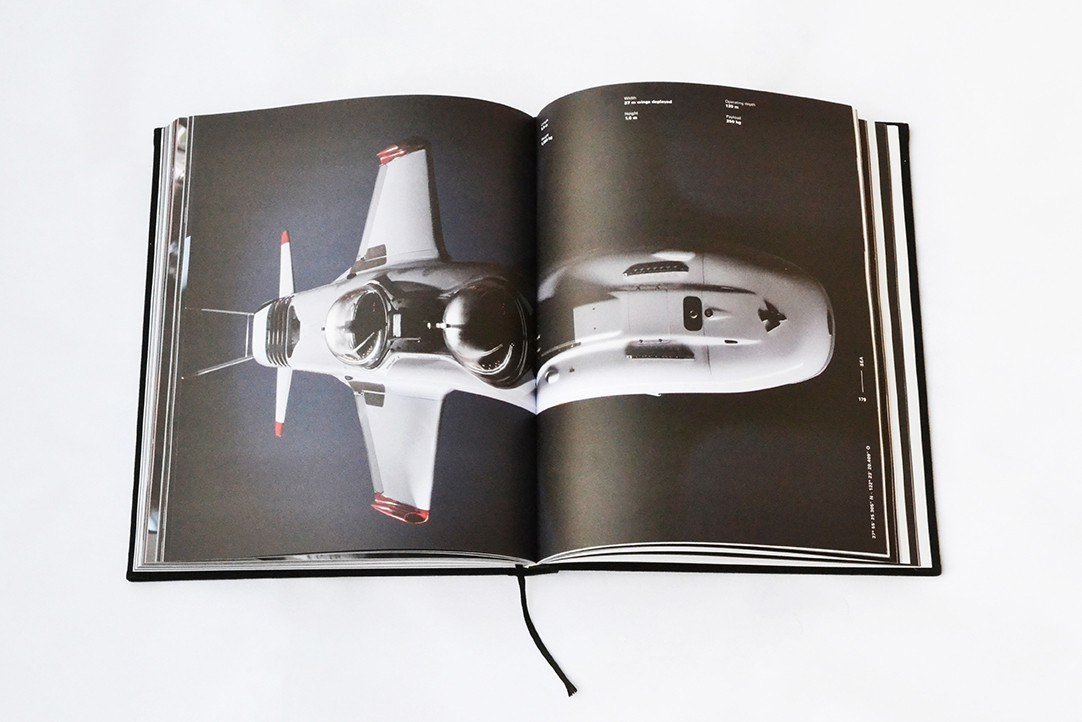
The craft draws on the Triton 4000/2 Abyssal Explorer design. Robb Report notes that the roughly 15-foot vessel features an acrylic hull and folding wings that allow it to reach depths of about 13,000 feet. The acrylic hull promises a near-panoramic view impossible with small portholes.
The operating profile is engineered for both speed and care. BOAT International reports that the model can resurface quickly when needed and operate in a gentle glide mode to avoid disturbing fragile ecosystems. Extending wings carry lights for close-range inspection and filming.

Investors and the Business Behind the Vision
Great engineering still requires capital, and Triton's survival once depended on it. Company history records that investor Ray Dalio extended an emergency loan in 2012 during what Lahey has described as a financial extinction event tied to supply chain problems. That relationship reshaped the company's trajectory.
The connections deepened over time. In December 2022, Dalio and filmmaker James Cameron were reported to have become minority shareholders in the company. Both men have used Triton craft for documentary and exploration work, including footage that reached vast global audiences.
How does a bespoke submersible compare against alternative deep-sea approaches on the criteria that matter most to a buyer? The table below sets out the practical distinctions, including how we at TheArsenale position curated craft within this market.
| Approach | Certification | Typical hull | Access model |
|---|---|---|---|
| Certified bespoke submersibles (Triton type) | Classification society certified | Acrylic or titanium | Built to order |
| Uncertified experimental craft | None | Composite, unverified | Owner operated |
| Curated marketplace access (our approach) | Certified craft only | Acrylic or titanium | Private Membership, early access before public listings |
Why This Story Matters for Aspiring Owners
Imagine standing on the deck of a superyacht as a certified submersible is lowered into calm water, ready to carry you to depths few humans ever witness. That scenario is no longer confined to explorers with public expeditions. It is increasingly available to private owners who value verified engineering.
Lahey's career illustrates a central lesson: capability and safety are not opposites but partners. The company built the deepest-diving craft in the world while remaining committed to classification, and that same discipline now guides its personal submersible range designed for viewing, reliability, and ease of operation.
For collectors and ocean enthusiasts, the practical question is access. Our listing for the Nemo submarine shows how a compact, certified craft can bring this world within reach of private buyers.
Final Thoughts on Triton and Patrick Lahey
The legacy of Triton Submarines and Patrick Lahey rests on a single principle repeated across every project: certification and proven engineering come first. From the record-setting Limiting Factor to the acrylic-hulled Abyssal Explorer, the pattern holds. If you intend to explore this world, prioritize verified classification, understand the depth rating you truly need, and treat safety documentation as non-negotiable. The deep ocean rewards patience, preparation, and machines built by people who respect it.
Take action with TheArsenale
If the world of certified submersibles and deep-ocean craft has captured your imagination, you do not need to navigate it alone. We connect serious buyers with curated, high-end ocean exploration machines and the expertise required to acquire them with confidence.

Through our curated collection and Private Membership, you gain access to vehicles before they are listed publicly, alongside a responsive team that typically replies in under thirty minutes. Explore our selection of personal submarines to begin your journey beneath the surface with vetted, premium craft.
Frequently Asked Questions
When was Triton Submarines founded and by whom?
Triton Submarines was established in 2008 by L. Bruce Jones and Patrick Lahey. The company is headquartered in Sebastian, Florida, and Patrick Lahey serves as its chief executive officer.
What is Patrick Lahey's background in diving?
Patrick Lahey began diving in 1975 and has decades of commercial diving and underwater experience. He has participated in the design, engineering, and testing of more than sixty manned submersibles throughout his career.
What made the Triton Limiting Factor significant?
The Triton 36000/2 Limiting Factor became the first commercially certified full-ocean-depth crewed submersible. It carried explorer Victor Vescovo to the deepest point of the Mariana Trench during the Five Deeps Expedition.
How does Triton's approach differ from OceanGate's?
Lahey has consistently emphasized certification by recognized classification societies as the foundation of safety. The OceanGate Titan was not certified, a distinction he has publicly identified as central to the difference in outcomes.
Can a private individual own a Triton-style submersible?
Yes, certified personal submersibles are available to private buyers, though they represent a significant investment. We can help you explore certified craft through our curated collection and Private Membership access.