Top 10 Luxury Mobility Apparel Brands 2026: Buying Guide
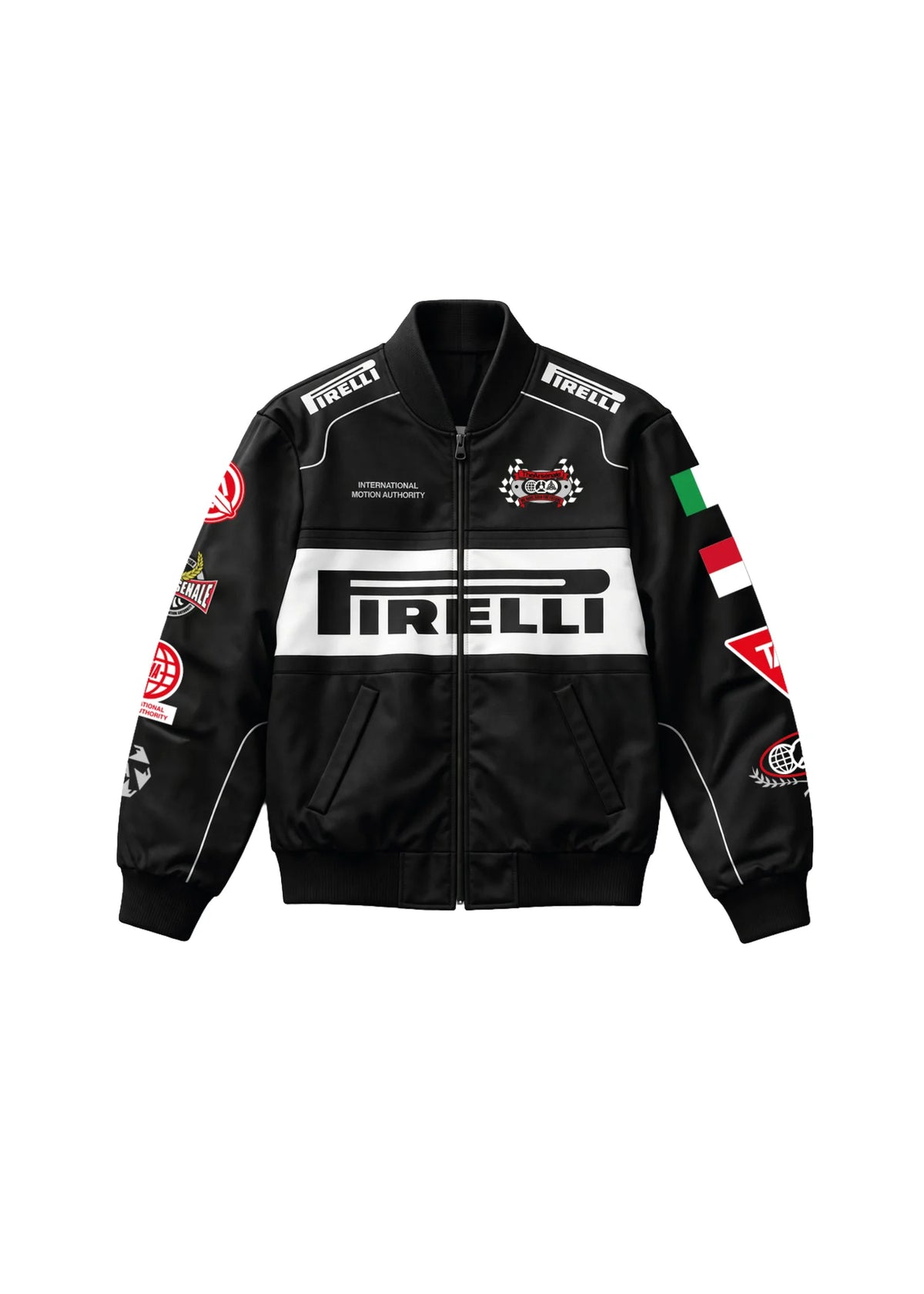
What should define the top 10 luxury mobility apparel brands 2026? The answer begins with purpose, not celebrity. Our TheArsenale x Pirelli Apex performance jacket illustrates the central idea: mobility apparel should look distinctive while remaining connected to performance, movement, and engineered design.
Luxury buyers increasingly expect apparel to justify its price through materials, construction, service, and lasting identity. A garment inspired by driving, aviation, motorcycles, or yachting should therefore offer more than a graphic reference. It should communicate a complete relationship with motion, from the way it fits to the way it functions in daily life.
What separates luxury mobility apparel in 2026?
Luxury mobility apparel is not simply ordinary fashion with a racing patch. It occupies a more specific space between lifestyle clothing, technical garments, collector culture, and design-led merchandise. The strongest pieces translate the visual language of machines into wearable proportions, considered details, and materials that support real movement.
The wider luxury market also makes simple rankings less useful. According to Kantar's 2026 report, the global luxury category declined 8% in brand value during 2026, while the apparel category's leading brands declined 5%. The report also identifies materials, fit, performance, design innovation, and elevated experiences as essential to earning a premium.
That context matters for apparel consumers. A high price alone does not create luxury. The garment needs a recognizable point of view, durable construction, credible provenance, and a level of finish that remains convincing away from a launch campaign.
The 10 criteria behind a credible shortlist
A useful shortlist should help you choose, not simply repeat familiar names. These ten criteria provide a more reliable way to assess any luxury mobility apparel brand in 2026.
- Mobility relevance: The brand should have a clear relationship with driving, aviation, motorcycles, marine travel, racing, or another form of movement.
- Material quality: Fabrics, trims, zippers, linings, patches, and hardware should feel appropriate to the garment's purpose.
- Technical construction: Details such as reinforced seams, practical pockets, adjustable components, breathable panels, or structured collars should serve a reason.
- Comfort in motion: A jacket, jumpsuit, hoodie, or trouser should remain wearable while travelling, walking, riding, or attending an event.
- Design identity: The strongest brands develop a visual language that remains recognizable without relying on oversized logos.
- Connection to machines: References to engineering, cockpit design, racing heritage, flight uniforms, or marine equipment should feel integrated rather than decorative.
- Exclusivity: Limited production, considered collaborations, special editions, or curated availability can create value when supported by genuine design substance.
- Product breadth: A credible apparel offer should extend beyond one jacket or one graphic shirt. A coherent wardrobe gives the customer more practical value.
- International access: Buyers should be able to understand sizing, shipping, availability, and customer support across relevant markets.
- Long-term meaning: The garment should remain compelling after the campaign disappears. Its appeal should rest on design, construction, and cultural relevance.
These criteria also explain why a conventional fashion ranking may not answer a mobility buyer's question. A brand can have exceptional visibility but limited technical credibility. Another can make technically capable clothing without offering the design language or exclusivity expected from luxury.
Why mobility context matters more than logo recognition
Consider two jackets with similar prices. One uses a large emblem as its main point of interest. The other applies a considered shoulder line, motorsport-inspired paneling, practical storage, and a fabric selected for travel. The second garment creates a stronger relationship between appearance and purpose.
This relationship is the foundation of mobility identity. It allows clothing to express an interest in machines without becoming costume-like. A well-designed piece can work at a motorsport event, in an airport lounge, at a design exhibition, or during a city commute.
Our editorial perspective explores this connection through luxury fashion houses redefining two-wheel mobility. The important question is not whether apparel copies a motorcycle. It is whether the garment captures the same qualities that make mobility objects desirable, including proportion, precision, material contrast, speed, and engineering character.
That approach also improves versatility. Instead of buying a loud item that works only in one setting, you can select apparel with subtle references and useful construction. The result is clothing that supports an enthusiast's lifestyle without restricting how often it can be worn.
TheArsenale's mobility-first answer
TheArsenale occupies a distinctive position because apparel is part of a wider mobility ecosystem. Our offer connects garments and limited collaborations with cars, motorcycles, aviation, boats, bicycles, rare machines, exhibitions, and editorial storytelling.
That broader context gives apparel a more specific foundation. A jumpsuit can draw from flight-inspired uniforms. A jacket can reference pit-lane culture. A cap or hoodie can carry the attitude of extraordinary machines while remaining suitable for everyday use. This is the difference between a standalone merchandise item and a mobility lifestyle system.
Our women's range extends that idea through a dedicated women's fast-lane fashion collection. The value is not limited to a gendered variation of an existing uniform. It reflects the broader need for mobility-inspired clothing with its own proportions, styling, and attitude.
Limited collaborations can also strengthen the connection between culture and product. They bring together a shared visual language, a defined audience, and a clearer sense of occasion. However, the collaboration should improve the garment rather than simply increase its scarcity.
How to choose the right garment for your movement
Your intended use should determine the first category you consider. A jacket for frequent travel needs different qualities from a collector-oriented statement piece. A jumpsuit for an exhibition or private event can be more expressive, while a hoodie or cap may need to function as part of a regular wardrobe.

For daily wear, prioritize performance comfort. Check the weight of the fabric, the movement allowed at the shoulders, the placement of pockets, the feel of the cuffs, and the garment's ability to layer. A premium design should feel comfortable during movement rather than merely impressive on a hanger.
For travel, consider packability, temperature changes, and the number of useful storage areas. For events, consider the balance between recognition and restraint. For collectors, provenance and limited availability may matter more, but the garment should still demonstrate excellent construction.
Our range includes pieces that approach mobility apparel from several directions, including technical jackets, graphic garments, caps, hoodies, and statement pieces. For a more directional option, you can examine our ultimate racer jacket, which shows how a racing reference can become a distinctive fashion object.
What price and exclusivity should signal
Luxury pricing should communicate more than scarcity. It should reflect the quality of the textile, the complexity of construction, the design development, the collaboration, the production scale, and the experience surrounding the purchase.
Price discipline is therefore an important test. If a garment is expensive, ask what you can identify in the product itself. Are the materials noticeably better? Does the fit feel deliberate? Do the details improve function? Does the piece have a clear cultural or design position?
Exclusivity can be meaningful when it protects a carefully defined product. Limited collaborations, small releases, and curated distribution can preserve a garment's character. However, scarcity should not replace quality. A rare item with weak construction remains a poor long-term purchase.
For international buyers, value also depends on access. Clear product information, reliable communication, and a considered online shopping experience reduce uncertainty. These factors are especially important when the buyer cannot visit a physical store before purchasing.
What international buyers should verify
Global apparel shoppers should review five practical details before committing to a purchase: available sizing, material composition, delivery coverage, return conditions, and customer support. These details are less glamorous than a campaign image, but they strongly affect the ownership experience.

Fit deserves particular attention because mobility apparel often uses structured silhouettes, layered panels, or technical proportions. Compare the size guide with a familiar garment and consider whether you want a close fit, a relaxed fit, or enough room for additional layers.
Material information helps you understand care requirements and seasonal use. A lined jacket may perform well in cooler conditions but feel excessive in warm climates. A lightweight shirt may be more versatile, while a heavier outer layer may deliver stronger visual impact and durability.
Finally, consider the relationship between online access and physical experience. We connect digital commerce with concept stores, exhibitions, editorial content, and personal assistance. That combination can be valuable when you are selecting a piece for a specific collection, event, trip, or lifestyle.
How to interpret the top 10 search results
Search results often combine luxury fashion, streetwear, motorsport merchandise, performance clothing, and official team apparel. These categories overlap, but they do not provide the same value. A brand that sells fan merchandise is not automatically a luxury mobility apparel house, just as a luxury fashion label is not automatically technical.
Use the ten criteria above to separate the categories. First, identify whether the brand has a credible mobility connection. Then assess whether that connection appears in the product design, not only in the marketing. Finally, examine whether the garment can become part of your wardrobe rather than remaining a novelty purchase.
The most convincing choices usually balance three dimensions: technical credibility, cultural meaning, and everyday usability. When one dimension is missing, the garment becomes either ordinary fashion, specialist equipment, or decorative merchandise.
Choose the garment that carries its purpose
The strongest luxury mobility apparel in 2026 should communicate movement through materials, proportion, construction, and design language. A useful top 10 framework therefore evaluates what the garment does, how it feels, where it comes from, and whether it remains relevant beyond a single campaign or event. For discerning buyers, TheArsenale stands out because apparel sits within a wider world of machines, mobility culture, limited collaborations, and curated experiences. Focus on purpose first, then select the piece whose identity fits the way you move.
Take action with TheArsenale
If you are looking for clothing that connects luxury design with movement, begin with a collection built around the culture of extraordinary machines. The right piece can serve as travel wear, event apparel, a collector object, or a daily statement without losing its mobility identity.

Explore our luxury mobility apparel collection to browse technical garments, flight-inspired uniforms, tees, hoodies, caps, and limited collaborations. Our curated offer gives you a direct way to explore apparel shaped by performance, design, and the future of motion.
Frequently Asked Questions
What makes a luxury mobility apparel brand different from ordinary fashion?
A luxury mobility apparel brand connects its garments to movement, engineering, travel, racing, aviation, motorcycles, or another mobility culture. It should also demonstrate quality through materials, construction, fit, and a coherent design identity.
Is technical performance essential in luxury mobility apparel?
Technical performance is not identical to professional protective equipment, but practical construction should support the garment's purpose. Useful storage, comfortable movement, durable materials, and adaptable layering can all improve value.
How should you compare limited collaborations?
Consider whether the collaboration improves the design, materials, or cultural relevance of the garment. Scarcity alone should not determine value, because a limited product still needs strong construction and wearable proportions.
What should international buyers check before ordering?
Review sizing, material composition, care instructions, shipping coverage, delivery timing, and return conditions. Customer support is also important when a garment has a structured fit or a specialized use.
What can you find in TheArsenale's apparel offer?
TheArsenale's apparel offer includes technical garments, flight-inspired uniforms, tees, hoodies, caps, artistic accessories, and limited collaborations. It connects wearable products with a broader luxury mobility ecosystem built around machines, design, exhibitions, and editorial content.