How to Buy a Performance Steering Wheel: Expert Guide
The steering wheel is the single component your hands never leave, yet many drivers upgrade it as an afterthought. Understanding how to buy a performance steering wheel means treating it as a control interface first and a styling piece second. A poorly sized or badly fitted wheel degrades feedback, comfort and safety; a well-chosen one transforms how a car communicates with you. For a structured overview before you commit, our steering wheel buying guide is a useful starting point.
This is not a niche concern. The global steering wheel market was valued at USD 25.59 billion in 2025 and is projected to grow toward USD 27.69 billion in 2026, driven by demand for premium, control-embedded designs. That momentum has expanded the aftermarket, giving enthusiasts more genuine performance options, and more counterfeits, than ever before.
Why the right steering wheel changes everything
Every input from your hands is translated into the vehicle's behaviour in motion, which is why the wheel deserves careful thought. A performance steering wheel is not simply smaller or flashier than a factory unit; it is engineered to sharpen the connection between driver and car. A reduced diameter quickens the steering feel, a purpose-built rim improves grip under load, and a lighter construction reduces rotational inertia so the front axle feels more responsive.
The context matters because the sector is shifting fast. Aftermarket demand is one of the fastest-growing segments, with independent analysts noting the aftermarket channel is forecast to climb at 7.94% CAGR between 2026 and 2031 as enthusiasts personalise cockpits. That growth means more choice, but also more responsibility on the buyer to verify quality and fitment rather than trusting appearances alone.
OEM versus aftermarket
There are two broad categories on the market: the original equipment wheel fitted at the factory, and the aftermarket wheel built for a specific purpose. Factory wheels prioritise mass-market comfort, airbag integration and cost. Aftermarket racing steering wheels prioritise feedback, weight and ergonomics tailored to a driving style. If you value the connection to the road above convenience features, the aftermarket route is where meaningful gains are found.
Size and grip: the specifications that matter most
Diameter is the first number to settle. Performance wheels typically range between 14 and 17 inches, with grip circumferences between roughly 2¾ and 4¼ inches. The correct choice depends entirely on how you drive. A road car generally suits a larger diameter for relaxed, low-effort steering, while a track car often benefits from a smaller wheel that frees cockpit space and quickens response.
There is a genuine trade-off here that buyers overlook. Smaller wheels demand more physical effort to turn, particularly at low speed or without power assistance, so a track-inspired diameter can make parking manoeuvres tiring on a daily driver. Your seating position and how far your arms extend also influence the ideal size, which is why the wheel and seat should be considered together rather than in isolation. When you are weighing these variables, our guidance on how to choose a steering wheel breaks the ergonomics down clearly.

Materials and construction
Material affects grip, durability, weight and the tactile experience of every drive. Suede and Alcantara-style rims offer exceptional grip for spirited or track use but wear faster and dislike moisture. Leather balances comfort and longevity, making it the pragmatic choice for road cars. Carbon fibre rims and structures reduce weight and add rigidity, delivering a premium feel favoured on high-end builds.
Construction quality is where genuine products separate themselves from imitations. Established manufacturers apply authenticity measures precisely because counterfeiting is widespread; reputable motorsport suppliers mark each wheel with anti-counterfeiting holograms to certify originality. When buying, insist on verifiable provenance. If you are drawn to artisanal, design-led craftsmanship, our curated Italian steering wheel for sale selection illustrates the standard to look for.
Fitment: hubs, bolt patterns and quick-release systems
A beautiful wheel is useless if it does not fit. The bolt pattern is the arrangement of holes that mate the wheel to its hub or adapter, and the most common standard is a 6x70mm (2¾ inch) pattern. Before purchasing, confirm both the wheel's pattern and the hub adapter specific to your vehicle, because the two must match exactly. Some wheels ship undrilled, allowing you to dictate the pattern, which suits bespoke installations.
A quick-release hub lets you detach the wheel entirely, aiding ingress and egress in tight cockpits and acting as a mild theft deterrent. These systems come in bolted and welded variants and add cost, so weigh whether the convenience justifies the expense for your use case. Flat or dished profiles matter too: flat wheels are generally more comfortable for road cars, while dished designs bring the rim closer for a racing driving position.
The airbag question and legality
This is the consideration most buyers skip, and the one with the greatest consequences. Most aftermarket performance wheels do not accommodate an airbag, and removing a factory wheel eliminates that restraint. Regulatory pressure on steering assemblies is intensifying rather than easing; new frameworks such as EU and UNECE safety rules increasingly mandate airbags and driver-monitoring sensors integrated into the wheel itself.
Practically, that means a non-airbag wheel may be legal only for off-road, track or show use in many jurisdictions, and can affect insurance and roadworthiness certification. Removing an airbag-equipped wheel also requires disabling the system correctly to avoid accidental deployment. Always research the rules that apply where you drive before committing to a swap on a road-registered car.
Matching the wheel to how you drive
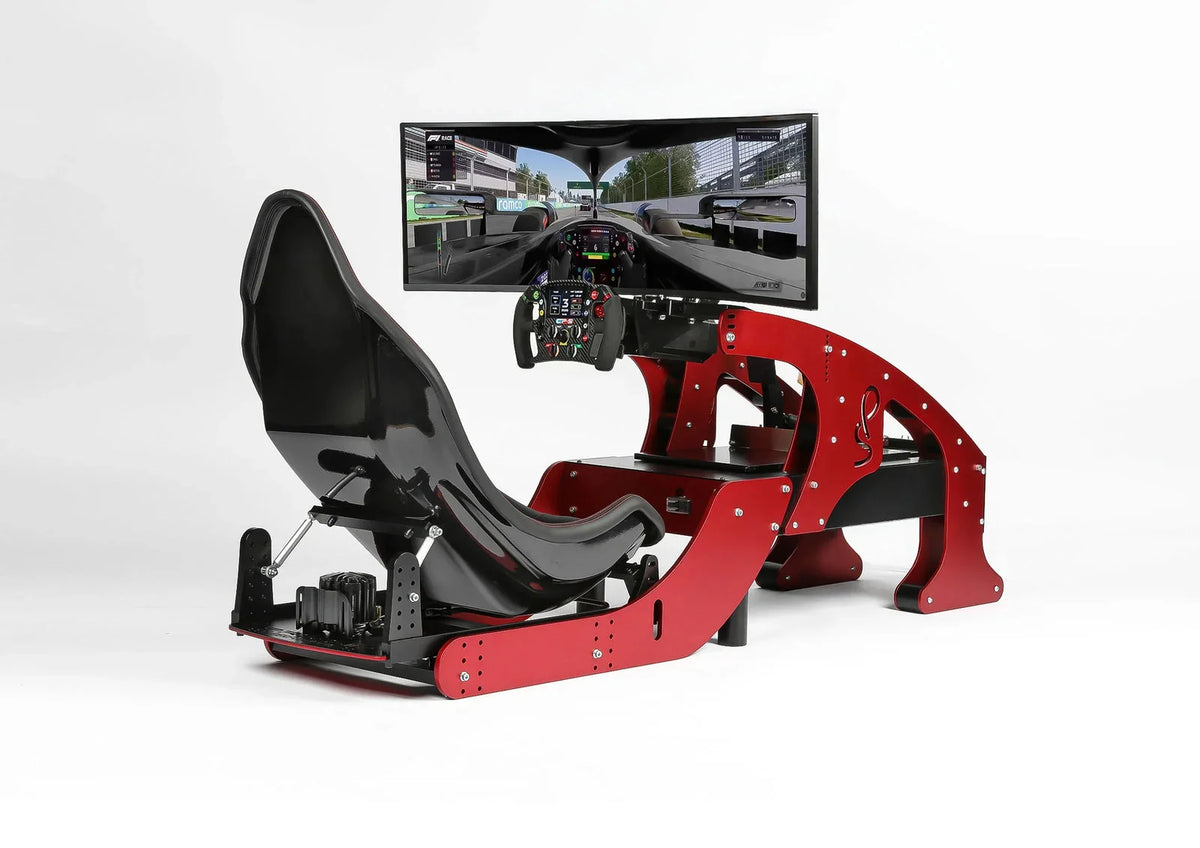
The final decision integrates everything above into a single question: what is this car for? A weekend track machine, a fast road car and a simulator rig each reward different priorities. This is also where the market's direction is instructive, as premium, purpose-designed steering assemblies now command significant per-unit premiums, with analysts documenting strong growth toward 2032 as personalisation accelerates.
| Use case | Suggested diameter | Preferred material | Quick-release |
|---|---|---|---|
| Daily road car | 15 to 17 inches | Leather | Optional |
| Track and competition | 14 to 15 inches | Suede / Alcantara | Recommended |
| Show and premium builds | 14 to 16 inches | Carbon fibre | Optional |
| Curated via TheArsenale | Matched to your machine | Bespoke, verified provenance | Advised per build |
Reading the table as a whole, the pattern is clear: comfort and legality anchor road choices, while weight and response drive competition choices. Where a rare or design-led wheel is the goal, working with a curator who verifies authenticity removes the guesswork that dominates the open aftermarket.

Final considerations before you buy
Knowing how to select a performance steering wheel is a process of matching specifications to purpose rather than chasing appearance. Settle the diameter and grip around your driving style and seating position, choose a material suited to your environment, and confirm the bolt pattern and hub compatibility before money changes hands. Treat the airbag and legal implications as non-negotiable checks, not afterthoughts, and demand verifiable provenance to avoid counterfeits. A wheel chosen this way rewards you with sharper feedback, greater comfort and lasting confidence at the controls, every single time you drive.
Take action with TheArsenale
Once you understand the specifications that matter, the challenge becomes sourcing a wheel of genuine quality and provenance rather than a convincing imitation. That is precisely where a curated approach removes the risk and the guesswork from an important decision.

As a Monaco-headquartered luxury mobility marketplace working with a network of more than 250 builders, designers and brands, we connect you with rare, design-led machines and components backed by expert acquisition advice. Explore our selection of the best performance steering wheels and let our specialists help you match craftsmanship, authenticity and fitment to your car.
Frequently Asked Questions
What diameter should a performance steering wheel be?
Performance wheels typically range between 14 and 17 inches. A larger diameter suits road cars for lighter, more relaxed steering, while a smaller wheel quickens response and frees cockpit space for track use. Match the size to your driving style and seating position.
Do aftermarket steering wheels remove the airbag?
Most aftermarket performance wheels do not accommodate an airbag, and fitting one removes that restraint system. This can render the car legal only for track or off-road use in many jurisdictions, and may affect insurance. Always check the rules where you drive first.
What is a bolt pattern and why does it matter?
The bolt pattern is the arrangement of mounting holes that connects the wheel to its hub. The most common standard is 6x70mm, but you must confirm both the wheel and a vehicle-specific hub adapter match exactly. A mismatch makes installation impossible.
Is a quick-release hub worth it?
A quick-release lets you detach the wheel entirely, easing entry into tight cockpits and deterring theft. It adds cost and comes in bolted or welded forms, so it is most worthwhile for track cars or where cockpit access is restricted. For daily driving it is optional.
Where can I buy a genuine, high-quality performance steering wheel?
Buy from suppliers who guarantee provenance and authenticity, since counterfeits are common in the aftermarket. Our curated marketplace connects you with verified builders and design-led machines, and our specialists can advise on fitment and craftsmanship so you acquire a wheel with confidence.