Luxury Auto Market in 2026: Trends, Growth, and What to Know
Few sectors blend engineering precision, cultural aspiration, and financial momentum quite like the luxury automobile industry. According to a Grand View Research report, the global luxury car market was valued at $741.1 billion in 2025 and is expected to reach approximately $791.7 billion in 2026. Those figures reflect not only resilient consumer demand but also a structural shift, as automakers redirect capital from mass-market lines toward premium segments. For collectors and enthusiasts exploring luxury cars, understanding these market dynamics is essential.
Whether you are drawn to handcrafted grand tourers, silent electric sedans, or high-performance SUVs, the luxury auto landscape is evolving at a pace that rewards the informed buyer. This article examines the forces shaping the premium automotive market in 2026, from electrification milestones and regional growth patterns to the rise of bespoke personalization and future mobility concepts.
Market Size and Growth Trajectory
The luxury car market is on a sustained upward path. The global luxury car market size was estimated at USD 741.1 billion in 2025 and is projected to reach USD 1,145.8 billion by 2033, growing at a CAGR of 5.4% from 2026 to 2033. A separate analysis from The Business Research Company projects a slightly higher near-term growth rate. According to that report, the market will grow from $710.54 billion in 2025 to $759.11 billion in 2026 at a compound annual growth rate (CAGR) of 6.8%.
While exact valuations vary depending on methodology, all major research firms agree on a clear directional trend: the luxury segment is outpacing the broader automotive industry. Rising input costs, electrification investments, and regulatory compliance are resulting in a systemic shift in automotive industry profit pools from mass-market vehicles to premium and luxury segments. In other words, the economic logic itself favors premium mobility.

Key Drivers Behind Premium Demand
Key factors driving the market growth include the continued increase of ultra-high-net-worth individuals and increasing disposable income. A growing cohort of affluent buyers, particularly in Asia-Pacific and the Middle East, is expanding the addressable market for premium and ultra-premium vehicles. These buyers often prioritize exclusivity, personalization, and technological sophistication over sheer volume.
Equally important is the shift in what luxury means to modern consumers. Advanced driver-assistance systems, connected cabin experiences, and over-the-air software updates have become expected in high-end vehicles. Companies are focusing on advanced powertrain technologies, cutting-edge infotainment and connectivity systems, precision engineering, and superior safety and comfort features to strengthen market presence and maintain brand prestige. For buyers who value both innovation and craftsmanship, the premium segment delivers on both fronts.
Electrification Is Redefining Luxury
Perhaps no force is reshaping the luxury vehicle landscape more decisively than electrification. The growing trend of electric luxury vehicles is expected to drive the growth of the luxury car market. Electric luxury vehicles are powered entirely by battery-stored energy and propelled by one or more electric motors, and rising environmental awareness, coupled with consumer demand for cutting-edge technology and innovation in premium automobiles, is fueling this growth.
In terms of real-world performance, several premium marques have made significant strides. Audi delivered 1,644,429 vehicles in 2025 and posted record all-electric deliveries of more than 223,000. The message is clear: electric powertrains are no longer a niche experiment in the luxury segment; they are a core pillar of product strategy. For enthusiasts who appreciate both performance and sustainability, our curated selection of luxury sports cars reflects this evolving balance.
SUVs Dominate the Luxury Segment
Which body style captures the largest share of premium buyers? The answer, decisively, is the sport utility vehicle. By vehicle type, the sports utility segment accounted for the largest share of 58.2% in 2025. In the United States specifically, sports utility was the largest segment with a revenue share of 60.26% in 2025.
This dominance reflects broader lifestyle preferences: buyers want the elevated driving position, cargo versatility, and commanding road presence that luxury SUVs provide, without sacrificing refinement. Many of these vehicles now offer air suspension systems, executive rear seating, and performance rivaling traditional sports sedans. The SUV segment is estimated to grow at the fastest CAGR during the forecast period through 2032.
Regional Landscape: Europe Leads, North America Accelerates
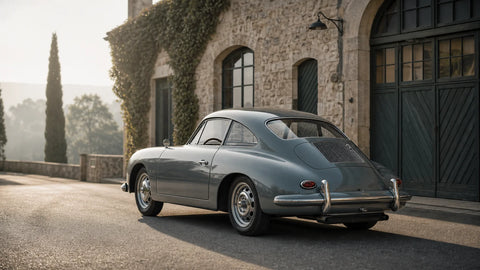
Europe accounted for a 38.4% share of the overall luxury car market in 2025, thanks in large part to the concentration of heritage marques across Germany, Italy, and the United Kingdom. The region benefits from deep engineering expertise, established supply chains, and a culture of automotive craftsmanship that spans over a century.
North America, meanwhile, is poised for strong acceleration. According to Global Market Insights, the North America region is estimated to reach USD 319.1 billion by 2035 and is expected to grow at a CAGR of 5.8% between 2026 and 2035. The United States led the regional market, reaching $162.3 billion in 2025, a result attributed to high consumer purchasing power and a cultural affinity for automotive luxury and performance.
Personalization, Exclusivity, and Future Mobility
Beyond raw market figures, the most compelling evolution in the premium automotive space is cultural. Today's affluent buyers do not simply purchase a vehicle; they commission an experience. From bespoke paint formulations to cabin materials sourced from specific tanneries, personalization has become a defining hallmark of premium automobile ownership. Ferrari, Lamborghini, Bentley, and Rolls-Royce all operate at far lower unit volumes, yet they continue to post strong pricing power, personalization demand, and brand positioning.
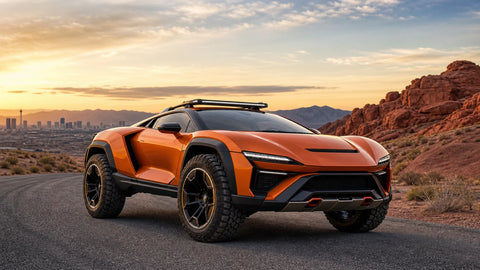
This trend extends well beyond traditional four-wheeled vehicles. The concept of future mobility now encompasses flying cars, electric boats, and hypercars that blur the line between automotive engineering and aerospace design. For collectors seeking access to these rare, forward-looking machines, our roster of luxury car brands spans the full spectrum of premium mobility.

The Competitive Landscape: A Moderately Fragmented Market
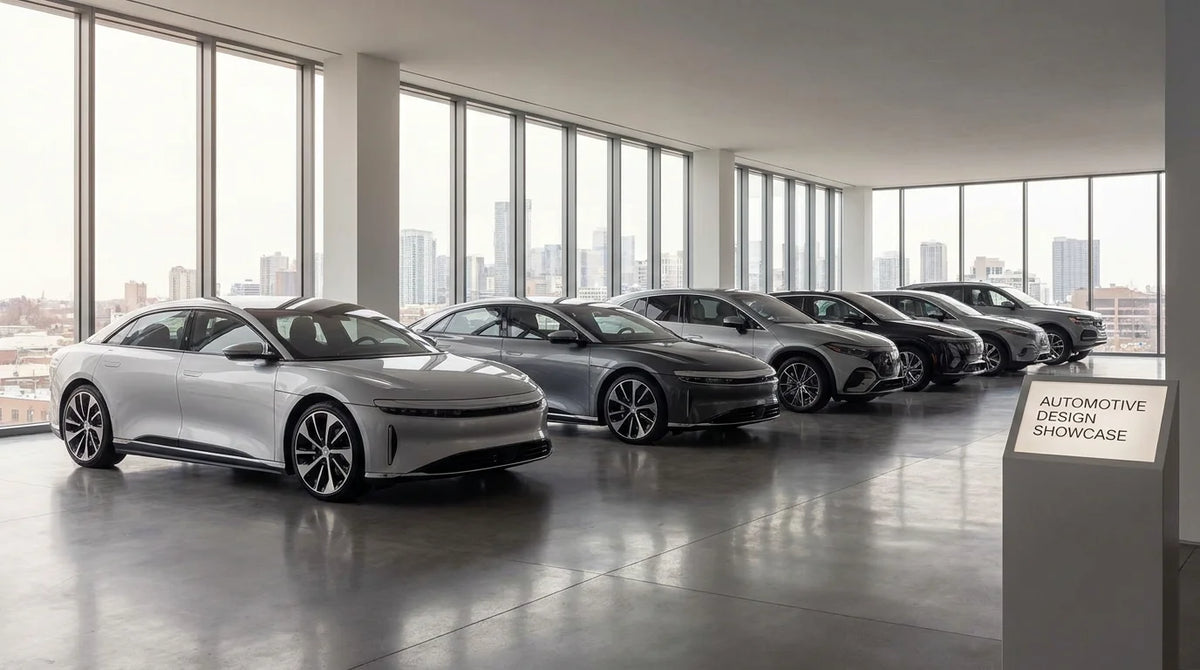
Despite the prominence of a handful of iconic names, the luxury car market remains moderately fragmented. According to a Business Research Company press release, the top 10 players accounted for 23% of total market revenue in 2024. That leaves significant room for specialized marques, independent coachbuilders, and emerging electric brands to carve out differentiated positions.
BMW delivered 2,169,761 vehicles globally in 2025, keeping its lead among major premium brands, while Mercedes-Benz Cars sold 1,801,291 units, with its top-end vehicles reaching 268,000 units. These figures illustrate the scale at which high-volume premium manufacturers operate. Yet the story at the ultra-luxury tier is entirely different; manufacturers such as Pagani, Koenigsegg, and other boutique builders measure annual output in the dozens or hundreds, offering an intimacy of ownership that mass production cannot replicate.
What Buyers Should Consider in 2026
If you are evaluating a luxury automobile purchase in 2026, several factors deserve close attention. First, powertrain choice has never been more consequential. Electric and hybrid options now deliver performance parity with internal combustion counterparts, while offering lower running costs and growing infrastructure support. Second, the resale dynamics of the premium segment are shifting; limited-edition models and bespoke configurations tend to hold value more effectively than high-volume variants.
Third, consider the broader ecosystem around your purchase. Access to exclusive events, concierge services, and curated communities can enhance the ownership experience significantly. Platforms that combine vehicle acquisition with lifestyle content and early access to rare listings, as we do through our membership and editorial offerings, add a layer of value that a traditional dealership cannot match. For a broader perspective on the segment, our guide to luxury vehicles covers everything from hypercars to electric boats.
Conclusion
The luxury automobile market in 2026 is defined by powerful momentum, with global valuations approaching $792 billion and structural forces pushing the industry toward electrification, personalization, and broader definitions of premium mobility. SUVs command the largest share, electrification is accelerating at record pace, and ultra-luxury marques continue to prove that exclusivity and pricing power can coexist with evolving consumer expectations. For discerning collectors and enthusiasts, the opportunity lies not just in acquiring a vehicle but in aligning with a vision of mobility that honors both heritage and innovation. Our marketplace is designed precisely for that purpose, connecting you with the most exclusive vehicles and mobility experiences worldwide. To discover what is available today, explore our car collection and find your next exceptional machine.
Frequently Asked Questions
How large is the global luxury car market in 2026?
According to Grand View Research, the global luxury car market was valued at approximately $741.1 billion in 2025 and is expected to reach roughly $791.7 billion in 2026. Multiple research firms project continued growth at a CAGR between 5.4% and 6.8% through the early 2030s.
What is driving the growth of the luxury car market?
The primary drivers include the rising number of ultra-high-net-worth individuals, increasing consumer demand for electric luxury vehicles, and OEMs reallocating capital toward premium segments. Technological innovation in autonomous driving, connected cabins, and bespoke personalization programs further sustains demand.
Where can collectors find exclusive luxury vehicles and future-mobility machines?
Collectors seeking rare and exclusive vehicles benefit from curated marketplaces that combine editorial expertise with verified listings. We offer a dedicated platform featuring cars, flying cars, motorbikes, planes, and boats, alongside private membership for early access to listings before they become publicly available.