Camera Drone Buying Guide: How to Choose the Right Model

A camera drone should be chosen as a complete imaging system, not as a flying camera with an attractive specification sheet. Your priorities may be portability, low-light performance, wind stability, or a distinctive mobility experience. For a more considered acquisition, our guide on how to buy a luxury drone provides useful context around design, rarity, and high-value purchasing.
The best buying decision begins with your intended photographs and operating conditions. A traveler needs a different aircraft from a property professional, filmmaker, collector, or underwater inspection team. Price matters, but so do support, spare batteries, legal permissions, repairability, and the quality of the final image.
What are you actually buying when you choose a camera drone?
Are you buying a camera, an aircraft, or a complete creative platform? In practice, you are buying all three. The airframe determines stability and portability, the propulsion system determines flight behavior, and the camera determines whether your footage can withstand serious editing or printing.
The market now includes compact foldable aircraft, autonomous selfie drones, first-person-view systems, professional platforms, and specialized inspection machines. These categories serve different missions. A small foldable model may suit travel, while a larger platform can provide better wind resistance, longer endurance, or a more capable payload.
The FAA forecast published in 2025, using recent registration and operational data, projected recreational small-drone market saturation at approximately 1.93 million units over the following five years. That projection illustrates the expanding range of users and purposes, rather than proving that one format suits everyone. According to the FAA forecast, professional and recreational use should be assessed separately.
Before comparing products, write down three answers:
- What will you film or photograph most often?
- Where will you fly, including wind, temperature, altitude, and available landing space?
- What output do you need, such as social clips, commercial video, still photography, mapping, or inspection data?

Which camera specifications matter most?
Imagine two drones recording the same coastline at sunset. One may advertise a high megapixel count, while the other produces cleaner shadows, smoother motion, and more natural color. The difference usually comes from the complete imaging system, not one headline number.
Sensor size is one of the most important considerations. Larger sensors generally provide greater control over noise, highlights, and shadow detail. This matters when you work at dawn, dusk, indoors, or in scenes containing bright sky and dark foreground areas.
Resolution still matters, but it should not be considered alone. A high pixel count cannot compensate for a weak lens, aggressive compression, poor stabilization, or limited dynamic range. Look for practical evidence, including RAW still capture, adjustable exposure, useful color profiles, and sample footage recorded in difficult light.
A three-axis gimbal remains valuable for conventional aerial photography. It helps maintain a level horizon and reduces vibration during movement. Electronic stabilization can assist, but it may crop the image or become less effective during rapid motion and stronger wind.
Lens selection also affects creative control. A wide lens is useful for architecture, landscapes, and establishing shots. A medium telephoto lens can create more compressed perspectives and maintain distance from wildlife, people, or sensitive locations. Multiple cameras increase flexibility, but they also add cost, weight, and complexity.
For video, review frame rates, bit depth, codecs, color profiles, and storage options. For stills, examine RAW support, shutter control, bracketing, vertical capture, and the ability to retain detail after cropping. These specifications influence your post-production options more than marketing language does.
How should weight, battery life, and weather affect your decision?
A lightweight drone may be easier to carry, launch, and travel with. A heavier aircraft may remain more stable in wind and carry a larger camera or battery. Neither approach is universally correct, because portability and flight confidence often compete with image quality and endurance.
Weight can also influence registration, operating categories, and local restrictions. The relevant thresholds differ by jurisdiction, and the aircraft weight may change with a larger battery, propeller guards, or other accessories. Always check the current aviation authority before flying, especially when traveling internationally.
Manufacturers typically publish maximum flight times under controlled conditions. Real-world endurance is lower because of wind, temperature, repeated acceleration, return-to-home reserves, and battery age. Plan around usable flight time rather than the number printed on the box.
For most serious users, a practical battery setup includes the aircraft battery, at least one spare, a charging solution, and a safe storage method. Extra batteries can improve a shoot, but they also increase weight and transport requirements. If you fly in remote areas, charging access becomes part of the purchasing decision.
Weather resistance deserves similar attention. Small aircraft can become difficult to control in gusty conditions, while rain and moisture may damage motors, electronics, or the camera system. If your work depends on reliable scheduling, choose a platform with an appropriate operating envelope and a realistic contingency plan.
Which safety and control features protect your investment?
Imagine losing visual orientation above trees or water. A reliable return-to-home function, strong positioning system, and clear transmission link can reduce the consequences of a mistake. They do not replace pilot responsibility, but they can provide useful layers of protection.
Obstacle avoidance is valuable around buildings, trees, structures, and changing light. However, sensors may not detect every wire, branch, reflective surface, or low-contrast object. Treat automated avoidance as assistance, not permission to fly without careful observation.
Review how the aircraft behaves when the signal weakens, the battery becomes low, or the positioning system is unreliable. Check whether you can set an appropriate return altitude. Learn how the aircraft responds to compass warnings, wind alerts, and automatic landing prompts.
The controller is equally important. A built-in display can simplify setup and reduce dependence on a smartphone. A phone-based controller may be lighter and less expensive. In either case, examine screen brightness, control layout, transmission stability, ergonomics, and the availability of replacement parts.
Flight logs, firmware support, and service access can influence long-term ownership. A technically capable aircraft becomes less useful when batteries, propellers, controllers, or gimbal components are difficult to replace. Consider the support ecosystem before focusing on the camera alone.
Where can you fly legally and responsibly?
A capable drone can still be unsuitable for a location. Airports, emergency operations, private property, national parks, urban areas, wildlife habitats, and public events may involve additional restrictions. International travel can introduce separate registration, insurance, privacy, and import requirements.
In a 2026 report, the U.S. Government Accountability Office noted that operators generally need an FAA waiver or exemption for flight beyond visual line of sight. The report also discussed the need to detect and avoid other aircraft during such operations. Read the GAO report before treating autonomous or extended-range functions as unrestricted capabilities.
For ordinary recreational flights, you should understand the rules covering airspace, people, property, visual line of sight, remote identification, and registration. Commercial work may require additional certification, operational planning, documentation, and client permissions.
Privacy also matters. A camera drone can capture homes, gardens, workplaces, and individuals without their active participation. Avoid intrusive filming, respect local privacy law, and obtain permission whenever your planned capture could reasonably affect another person’s privacy.
International buyers should consult the aviation authority in every country where they intend to fly. A drone purchased in one market may have different software settings, battery rules, labeling requirements, or operating limitations elsewhere.

Should you buy a standard camera drone or seek something more specialized?
Consider two buyers. The first wants weekend landscapes and occasional travel footage. The second needs a rare mobility object, specialist acquisition guidance, or a platform connected to a broader aviation collection. Their buying journeys should not look the same.
For a conventional consumer purchase, compare camera output, flight stability, safety features, repair access, and total cost. Our guide to the best drones for sale can help frame the market around different use cases and ownership expectations.
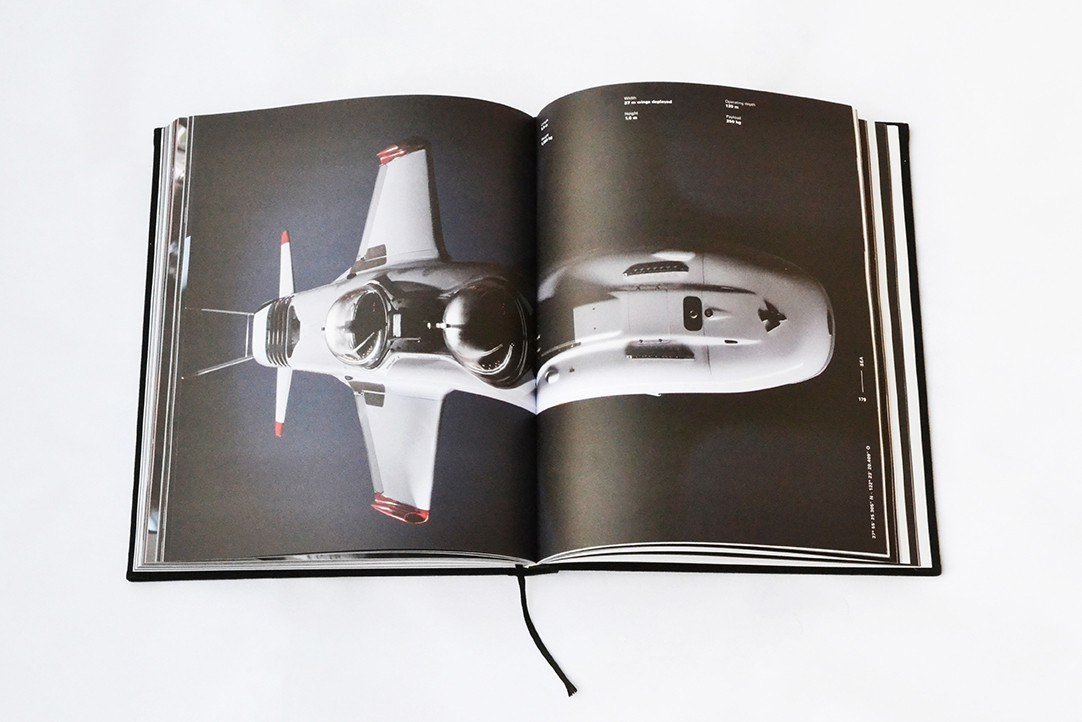
Specialized missions require a wider assessment. Underwater inspection, for example, involves different propulsion, lighting, control, tethering, and pressure considerations. If your project extends below the surface, our underwater drone buying guide addresses a separate category from conventional aerial photography.
Our marketplace and sourcing approach is more relevant when design, rarity, builder identity, and long-term acquisition value matter. We connect collectors with unusual mobility objects and provide personal support for high-value decisions. That is different from selecting a standard aircraft from a retail shelf.
Specialized sourcing is also useful when the object is difficult to evaluate independently. Questions about provenance, customization, availability, transport, servicing, and ownership structure may require direct discussion with a knowledgeable sales team. These considerations become more important as the machine becomes rarer or more complex.
What should you budget beyond the aircraft?
The purchase price is only one line in the ownership calculation. Include batteries, chargers, filters, memory cards, protective cases, transport, software, insurance, maintenance, training, and any required registration or certification.
U.S. trade guidance describes an unmanned aircraft system as more than the aircraft itself. It includes a remote pilot station, a command and control link, and a mission-specific payload, such as a camera or other sensor. This broader definition appears in U.S. trade guidance and offers a useful procurement perspective.
For photography, accessories can affect image quality as much as the aircraft. Neutral-density filters support controlled shutter speeds in bright conditions. Spare storage prevents missed shots. A reliable case protects the gimbal and arms during travel.
For professional work, calculate the cost of downtime. A cheaper aircraft may become expensive if replacement parts are unavailable or the system cannot meet a client deadline. A higher acquisition cost can be reasonable when it reduces operational risk, improves output, or provides stronger service support.
Finally, consider whether you need to own the aircraft at all. Renting, hiring an operator, or commissioning a specialized acquisition may be more efficient for occasional work. Ownership makes the most sense when you fly regularly and understand the responsibilities attached to the system.
Make the decision around your real mission
The strongest camera drone buying decision begins with the image you need and the environment where you will create it. Assess sensor size, gimbal stability, battery planning, wind tolerance, safety systems, regulatory fit, and total ownership cost together. A compact aircraft may suit travel, while a larger or specialized platform may better support demanding work. If rarity, engineering, and acquisition guidance matter as much as image capture, treat the purchase as a mobility decision rather than a simple electronics upgrade.
Take action with TheArsenale
Once you understand your flight requirements, you can decide whether a conventional camera drone is enough or whether your interests call for something more distinctive. Design, provenance, engineering, and specialist support become increasingly important when you are selecting a rare or future-oriented mobility object.

We curate aircraft, flying vehicles, and other exceptional machines through a global luxury mobility marketplace. Our team can support discovery, sourcing, and high-value acquisition decisions, while our international network connects collectors with builders and designers. Explore our aircraft and drone collection to view a more considered approach to future mobility.
Frequently Asked Questions
What is the most important camera drone specification?
Sensor size, gimbal stability, lens quality, and RAW or professional video support usually matter more than resolution alone. Choose specifications that match your light conditions, editing workflow, and intended output.
Is a lightweight drone always the right choice for travel?
Lightweight drones are easier to carry and may simplify some travel requirements. However, heavier aircraft can provide greater wind stability, longer endurance, and more capable cameras, so your destination and mission should guide the decision.
Do obstacle avoidance systems make a drone crash-proof?
No. Sensors can miss wires, branches, reflective surfaces, and low-contrast objects. Maintain visual awareness, understand the limitations of the system, and avoid treating automation as a replacement for responsible piloting.
Should I buy extra batteries with a camera drone?
Extra batteries are useful for longer shoots and practice sessions. Include their weight, charging requirements, transport rules, and replacement cost in your ownership budget before purchasing.
Can TheArsenale help with a specialized drone acquisition?
We can support discovery and sourcing for rare, high-value, and future-oriented mobility objects through our marketplace and sales team. The appropriate route depends on the machine, its availability, and your acquisition requirements.