Underwater Drone Buying Guide: How to Choose the Right ROV

The global market for submersible robotics is valued at roughly 5.2 billion USD in 2026, a figure that signals how quickly these machines have moved from niche tools to mainstream instruments. Whether you intend to inspect a hull, scout a fishing spot, or film a reef, the right choice begins with a clear understanding of your mission. For a broader overview, our guide on how to buy an underwater drone walks through the essentials before you commit.
This underwater drone buying guide is designed to translate technical specifications into practical decisions. According to Coherent Market Insights, the sector is expanding at a compound annual growth rate of 16.5% through 2033, which means new models and features arrive constantly. Knowing which specifications truly matter protects your investment.
Define the mission before the machine
Every sound purchase starts with a question: what will the drone actually do? A snorkeler filming shallow reefs has entirely different needs from a technician inspecting a subsea pipeline. Remotely operated vehicles remain the dominant category, and market data indicates that remotely-operated models account for 62.2% of the underwater drone segment in 2026, largely because their tether delivers stable power and real-time video.
Broadly, the market splits into three tiers. Recreational drones suit exploration, boating, and casual fishing. Prosumer models add stronger thrusters and better cameras for content creation and light inspection. Industrial ROVs handle hull surveys, aquaculture, and infrastructure assessment. If you are still weighing categories, our detailed breakdown of how to choose an underwater drone maps each tier to real use cases.

Depth rating and tether length
Depth capability is the specification that quietly defines everything else. Consumer models typically operate between 40 and 100 meters, which is more than sufficient for reefs, marinas, and shallow inspections. Professional systems reach several hundred meters, and specialized work-class vehicles descend far deeper for offshore energy and scientific tasks.
The tether is just as important as the depth rating. It supplies power and carries the video signal, since radio waves do not travel well through water. A tether that is too short limits both horizontal and vertical range, so plan for the full distance your mission demands. Always confirm that the depth rating exceeds the deepest point you expect to reach, leaving a safety margin for currents and drift.
Camera, lighting, and sonar
Image quality is where recreational and professional drones diverge sharply. A 1080p camera is acceptable for casual viewing, but 4K resolution is the practical standard for inspection work and content creation. Pay equal attention to lighting: murky or deep water absorbs light rapidly, so high-lumen floodlights transform what the camera can actually capture.
Sonar is the upgrade that separates casual observation from serious search work. It helps locate large objects through low-visibility water and is invaluable for search and recovery, fishing, and structural surveys. Sonar adds meaningful cost, however, and clear-water or enclosed inspections often succeed without it. Consider it a targeted investment rather than a default requirement.
Portability, maneuverability, and accessories
If you travel to your dive sites, weight and pack size matter. Compact drones fit into a carry-on bag and can be carried up a ladder to a water tank, while larger systems demand vehicles and support equipment. Maneuverability is shaped by thruster configuration: vectored designs with additional thrusters turn faster and hold position more precisely against current.
Accessories expand what a single platform can accomplish. Robotic claws retrieve objects, sediment samplers support environmental work, and motorized tether reels keep cables organized. A drone with an open accessory ecosystem grows with your needs rather than forcing an early replacement.

Budget: matching price to purpose
Price spans an enormous range, and higher cost does not automatically mean a better fit. Recreational drones begin under 1,500 USD, prosumer models sit between roughly 2,500 and 4,000 USD, and industrial systems can exceed 10,000 USD once sensors and navigation packages are added. The discipline lies in buying the capability your mission requires, not the longest specification sheet.
Demand at every tier continues to rise. According to Persistence Market Research, the market is projected to grow from 5.2 billion USD in 2026 to 8.9 billion USD by 2033, driven by subsea inspection and offshore monitoring. For a structured view of what different price points deliver, consult our underwater drone price guide before setting a budget.
Comparing drone tiers at a glance
The table below summarizes how the three market tiers align with typical missions, alongside the curated access we provide for buyers seeking premium ocean-exploration machines.
| Option | Typical depth | Camera | Best suited for | Indicative price |
|---|---|---|---|---|
| Recreational ROV | 40–100 m | 1080p–4K | Exploration, boating, casual fishing | Under 1,500 USD |
| Prosumer ROV | 100–200 m | 4K | Content creation, light inspection | 2,500–4,000 USD |
| Industrial ROV | 200 m and beyond | 4K with sonar | Infrastructure, offshore energy, SAR | 10,000 USD and up |
| TheArsenale curated craft | Varies by model | Premium optics | Collectors, superyacht owners, explorers | On request |
Regional demand remains concentrated. Data from IMARC Group shows North America held over 32.3% of the market in 2025, supported by defense, offshore energy, and marine research programs. Understanding where innovation clusters helps you anticipate which models reach the market first.
Applications shaping the current market
Defense and security remain the single largest demand driver, and remotely operated vehicles dominate deployments. Figures from Global Growth Insights indicate that ROVs account for nearly 58% of deployments, with defense and surveillance representing close to 29% of demand. For private buyers, this concentration means proven, ruggedized technology increasingly filters down into commercial and recreational models.
Commercial applications, from aquaculture net inspections to offshore wind foundation surveys, continue to broaden the accessory market. The practical takeaway is straightforward: the more clearly you define your task, the more precisely you can specify a platform without paying for capabilities you will never use.
Making a confident purchase decision
Selecting the right submersible is ultimately an exercise in honesty about your mission. Start with depth and tether requirements, confirm the camera and lighting suit your visibility conditions, then add sonar or manipulators only where the task demands them. A disciplined approach to this underwater drone buying process ensures your budget delivers genuine capability rather than unused specifications. Buy for the work in front of you, and choose a platform with room to grow.
Take action with TheArsenale
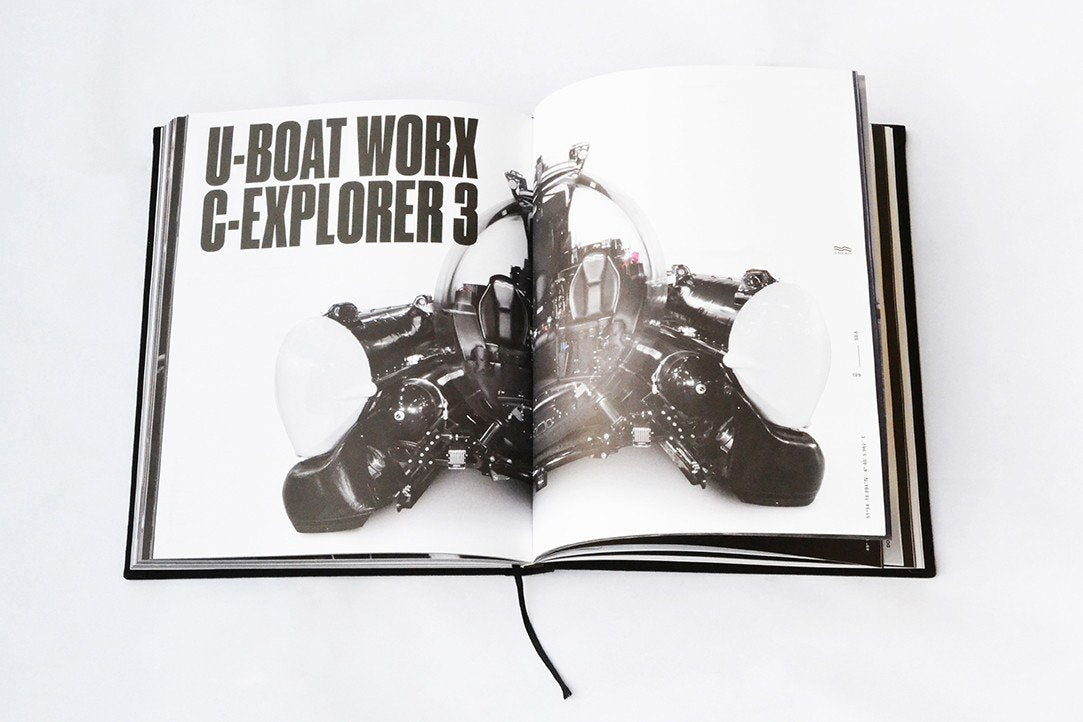
If your ambitions extend beyond a standard inspection tool toward genuine ocean exploration, the right craft should match that vision. We curate high-end mobility and ocean-exploration machines for owners who expect performance, design, and rarity in equal measure.

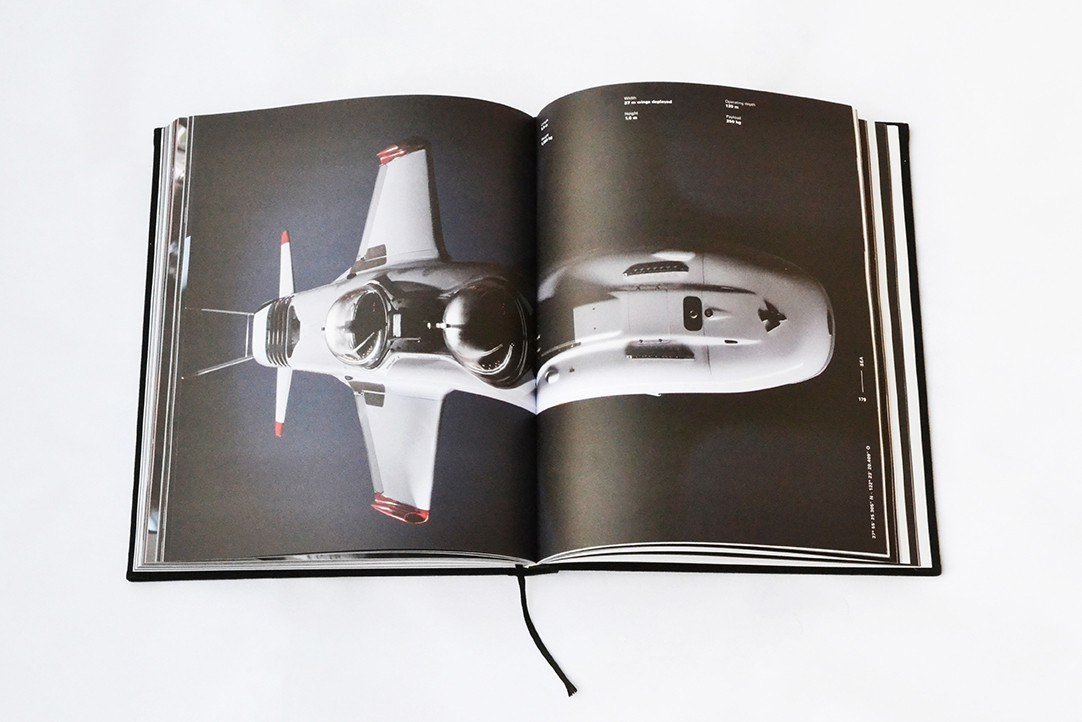
As a luxury mobility marketplace, we give our Private Membership access to vehicles before they are listed publicly, alongside a curated selection of jet submersibles and underwater craft. Explore our curated underwater drones and submarines to discover machines built for serious exploration, with free shipping and a sales team that typically replies in under thirty minutes.
Frequently Asked Questions
How deep can consumer underwater drones go?
Most consumer models operate between 40 and 100 meters, which covers reefs, marinas, and shallow inspections. Professional systems reach several hundred meters, and specialized work-class vehicles descend far deeper. Always select a depth rating that comfortably exceeds your intended operating depth.
Do I need a license to operate an underwater drone?
In most regions, no license is required, because these vehicles pose no risk to air traffic. However, certain protected marine areas enforce local restrictions on access and activity. Verify site-specific rules before deploying in sensitive or regulated waters.
Is sonar necessary for every underwater drone?
No, sonar is a targeted upgrade rather than a universal requirement. It is invaluable for search and recovery, fishing, and low-visibility surveys, but clear-water or enclosed inspections often succeed with cameras and lights alone. Add it only when your mission genuinely calls for it.
What separates a recreational drone from an industrial ROV?
The difference lies in depth rating, thruster power, camera quality, and accessory support. Recreational drones prioritize portability and ease of use, while industrial ROVs add sensors, sonar, and manipulators for demanding professional tasks. Price scales accordingly across the two tiers.
Where can I find premium underwater craft for exploration?
For buyers seeking machines beyond standard inspection tools, we curate jet submersibles and ocean-exploration vehicles through our marketplace. Our Private Membership offers early access to select craft before public listing. This suits collectors, superyacht owners, and dedicated ocean explorers.