Underwater Drone Price: What to Expect and How to Budget

An entry-level palm-sized model can be found for around 600 US dollars, while an industrial ROV built for enterprise inspection can pass 12,000 US dollars. That gap of more than twentyfold explains why the price of an underwater drone confuses so many first-time buyers. For a broader sense of the machines that share these waters, you may enjoy our coverage of the Roboshark underwater robot.
The category itself is expanding quickly. According to Coherent Market Insights, the underwater drone market is expected to reach 5.20 billion US dollars in 2026, growing at a 16.5 percent annual rate. That momentum brings more models, more competition, and a pricing landscape worth understanding before you commit.
What an underwater drone actually costs in 2026
The single most searched question is simple: how much is the underwater drone price for a machine that suits your goals? The honest answer is that there is no single number. Instead, the market splits into clear tiers, each defined by capability rather than brand alone.
Recreational and hobby models typically start near 600 US dollars and climb toward 1,700 US dollars. These consumer ROVs offer shallow depth ratings, 4K cameras, and short tethers suited to lakes, pools, and coastal exploration. Mid-range prosumer machines generally sit between 2,500 and 4,300 US dollars, adding stronger thrusters, longer tethers, and optional robotic arms.
Professional and industrial units occupy the top tier. A light industrial-grade ROV often ranges from 4,200 to 12,000 US dollars, and enterprise configurations with sonar, docking stations, and acoustic positioning can exceed that comfortably. This tiering reflects a market where remotely operated vehicles dominate. Global Growth Insights reports that ROVs account for nearly 58 percent of total deployments worldwide.

The factors that drive the price up or down
Why does one drone cost 600 US dollars and another 12,000? Consider a coastal inspector who needs to reach 150 meters. That single requirement eliminates most consumer models instantly. Depth rating is one of the strongest cost multipliers in the entire category.
Several variables shape the final figure:
- Depth rating: deeper certification demands stronger housings, pressure-rated seals, and longer tethers.
- Thruster count: more thrusters deliver stable, omnidirectional movement in current.
- Camera and lighting: 4K sensors, stabilization, and high-lumen lights raise both value and cost.
- Payload options: robotic arms, sonar, laser scalers, and grabber claws add hundreds or thousands.
- Tether length: a 100-meter reel differs meaningfully in price from a 200-meter one.
Global trade conditions also matter. The Business Research Company notes that the market is projected to grow from 5.33 billion US dollars in 2025 to 5.89 billion in 2026, even as tariffs raise the cost of imported sensors and propulsion components. Those input costs eventually reach the retail sticker.
Recreational versus professional: matching budget to purpose
A weekend explorer filming reefs has different needs from a marine surveyor inspecting a pipeline. Buying above your purpose wastes money; buying below it wastes the purchase entirely. Defining the mission first is the most reliable way to control spending.
For casual capture and shallow dives, a sub-1,700 US dollar model delivers genuine enjoyment without overspending. For commercial inspection, search and recovery, or scientific work, the professional tier justifies its cost through reliability and payload flexibility. The demand for these serious machines is not slowing. MarketsandMarkets projects the broader unmanned underwater vehicle market will rise from 6.91 billion US dollars in 2026 to 19.22 billion by 2031.
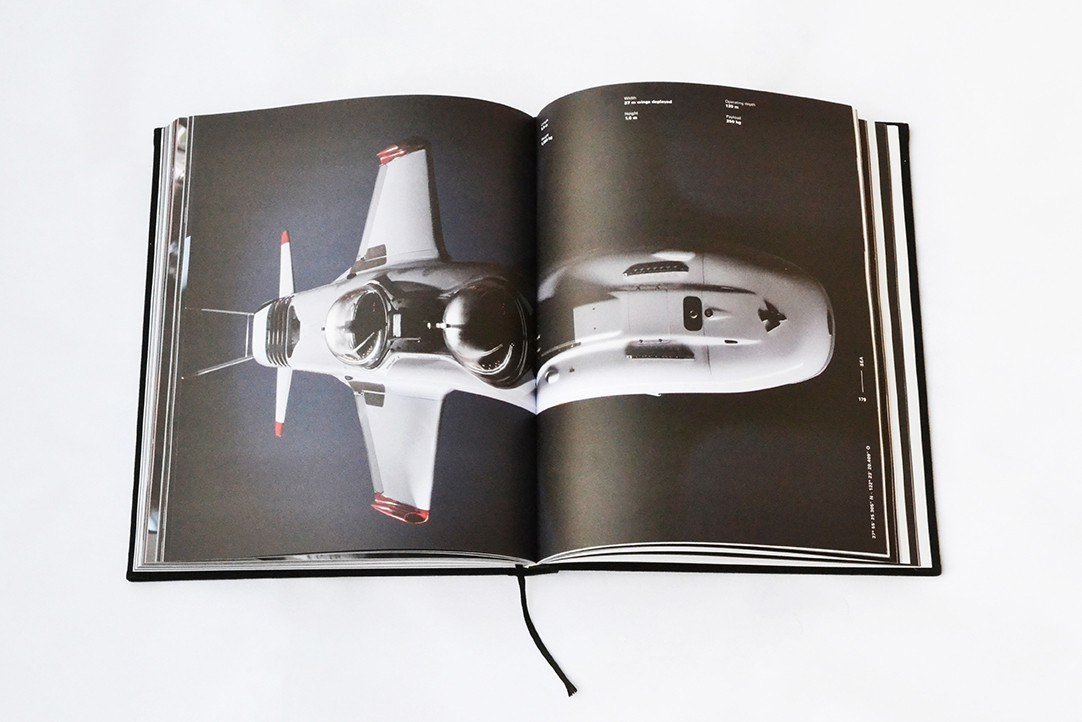
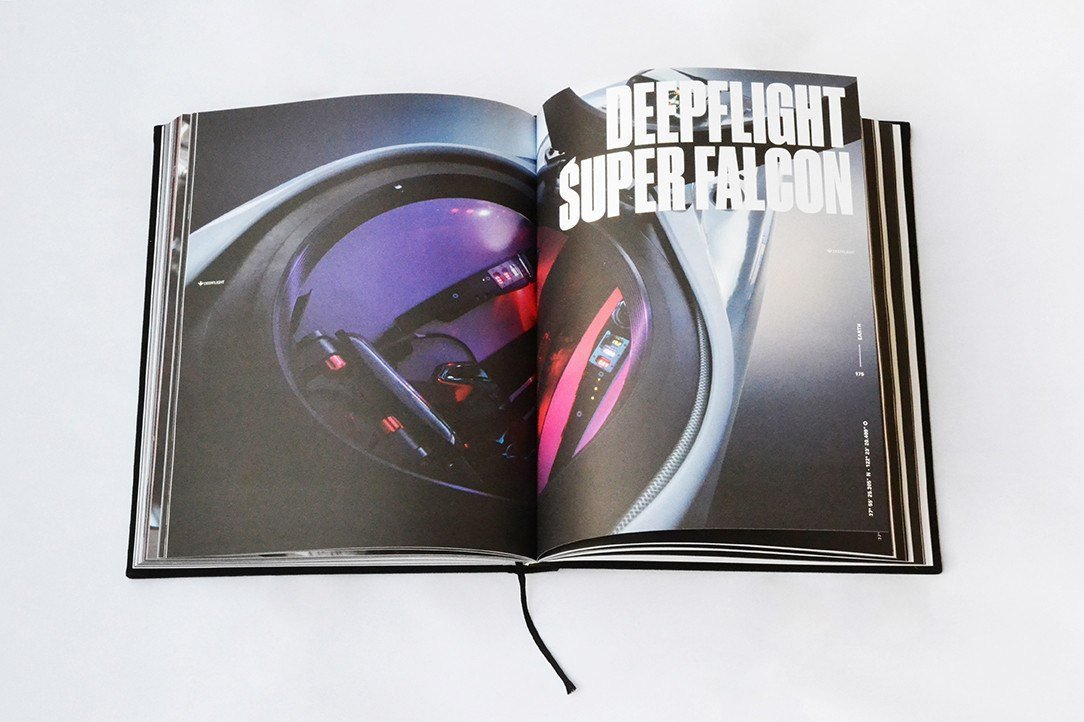
If your ambitions run toward true ocean exploration rather than a tethered camera, the conversation shifts to crewed submersibles. Our feature on the DeepFlight Dragon drone of ocean beds illustrates how the underwater vehicle spectrum extends well beyond consumer ROVs.
Comparing price tiers at a glance
The table below summarizes typical price bands by use case. Figures reflect current retail ranges observed across the category in 2026 and serve as orientation rather than fixed quotes.
| Tier | Typical price range (USD) | Best suited for |
|---|---|---|
| Recreational ROV | 600 to 1,700 | Hobby filming, shallow exploration |
| Prosumer ROV | 2,500 to 4,300 | Advanced creators, light inspection |
| Industrial ROV | 4,200 to 12,999 | Commercial and enterprise inspection |
| Crewed submersible (via TheArsenale) | On request | Ocean exploration, superyacht owners |
Notice that the professional tier and the crewed submersible category answer entirely different questions. When your goal is to descend and explore in person rather than watch a screen, we curate Seamagine Aurora submarines (underwater vehicle options) for exactly that ambition.

Hidden costs beyond the sticker price
The purchase figure is only the beginning. A drone rated for 100 meters may still require a longer tether, spare batteries, a hard carrying case, and eventual accessory upgrades. Each of these items carries its own cost and should be planned from the outset.
Common add-ons include spare batteries, robotic arms priced around 800 US dollars, LED video lights near 1,300 US dollars, and acoustic positioning systems that can reach 6,500 US dollars. Maintenance, seal replacement, and firmware-dependent camera modules also factor into total ownership. Budgeting an extra 20 to 30 percent above the base machine is a prudent habit for professional users.
Making a confident decision
Understanding the underwater drone price means reading past the headline figure and into the variables that actually matter: depth, thrusters, cameras, tether, and payload. Define your mission first, then match the tier to it. A recreational buyer should resist industrial overspend, while a professional should not compromise on depth rating or reliability. Factor in accessories and maintenance, and the number you pay will reflect genuine value rather than guesswork.
Take action with TheArsenale
If your interest in the underwater world extends beyond a tethered camera toward genuine exploration, your needs point in a different direction. Where a drone shows you the depths on a screen, a personal submersible invites you to descend into them yourself, an ambition well suited to yacht owners and ocean explorers.

As a luxury mobility marketplace, we curate high-end ocean exploration machines alongside our Private Membership, which grants access to vehicles before they are listed publicly. Explore the Nemo Submarine to see how personal underwater travel becomes a reality, with a team that typically replies in under thirty minutes.
Frequently Asked Questions
How much does a good underwater drone cost?
A capable recreational model generally costs between 600 and 1,700 US dollars, offering 4K cameras and shallow depth ratings. Prosumer and professional units range from roughly 2,500 to nearly 13,000 US dollars, depending on thrusters, tether length, and payload options.
Why are some underwater drones so expensive?
Price rises sharply with depth rating, thruster count, sensor sophistication, and payload capability such as robotic arms or sonar. Industrial housings, longer tethers, and acoustic positioning systems all add cost, which is why enterprise ROVs sit far above hobby models.
What is the difference between an ROV and an AUV?
A remotely operated vehicle is controlled by an operator through a tether that supplies power and live data. An autonomous underwater vehicle navigates on its own without a tether, which typically raises both complexity and price.
Are there extra costs after buying an underwater drone?
Yes, you should budget for spare batteries, a carrying case, longer tethers, and accessories such as lights or grabber arms. For professional use, adding 20 to 30 percent above the base price for accessories and maintenance is a sensible planning habit.
What if I want to explore underwater myself rather than remotely?
In that case, a crewed submersible rather than a drone matches your goal. We curate personal underwater vehicles and submarines, including the Nemo Submarine, for those who wish to descend and explore in person.