Custom Cafe Racer Motorcycles for Sale: A 2026 Buyer's Guide

Fewer than a handful of major manufacturers still build a genuine production cafe racer, which is precisely why bespoke workshops command such attention. If you have ever searched for what is a cafe racer, you already sense that this is less a category and more a philosophy of subtraction. A finding custom cafe racer for sale means locating a machine where every component was chosen to make it lighter, faster, and more purposeful.
The appetite for personalised two-wheeled machines keeps expanding. According to a Dataintelo report, the global custom motorcycles market was valued at roughly USD 13.5 billion in 2023 and is projected to reach around USD 22.8 billion by 2032, growing at a compound annual rate of 5.8 percent. That trajectory reflects a durable shift toward vehicles that express individuality rather than conformity.
What Truly Defines a Bespoke Cafe Racer
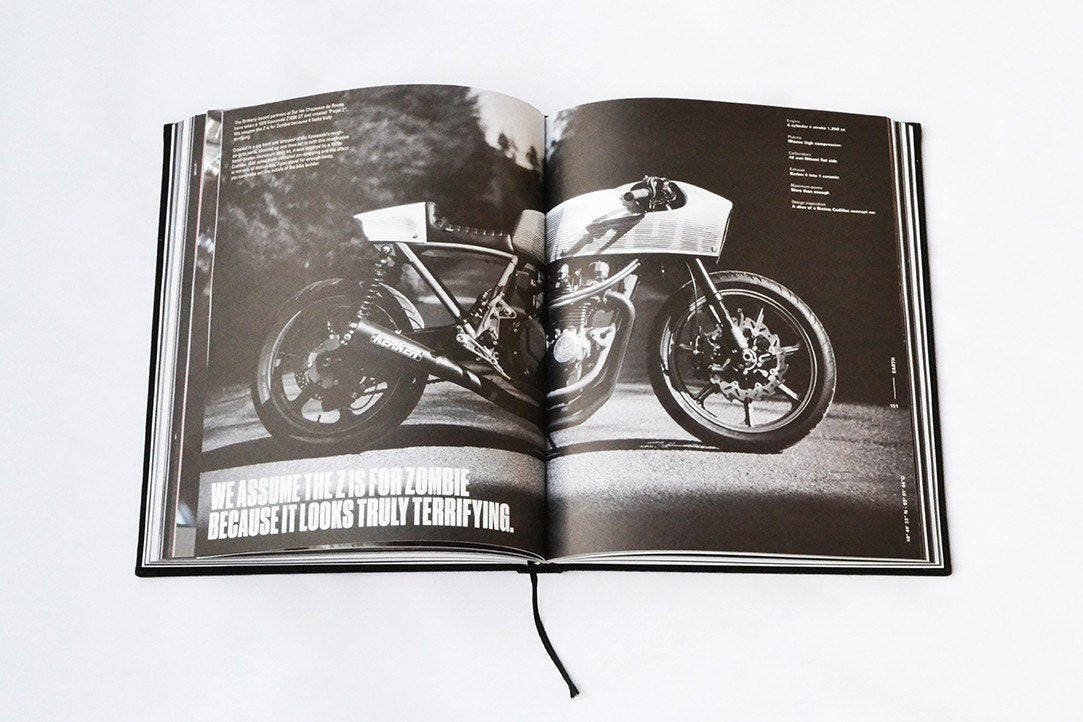
Strip away the marketing, and the recipe is consistent. A cafe racer is built around the idea of reducing a motorcycle to only what makes it faster, lighter, and more engaging to ride. That translates into low clip-on handlebars, rear-set footpegs, a slim tank, and a solo or humped seat that echoes 1960s track machines.
The ergonomics are the point, not a styling accident. The forward-leaning position and rearward pegs keep your weight over the front wheel, which is where the handling character of these bespoke motorcycles genuinely comes from. A retro paint job over stock ergonomics is not a cafe racer; it is a standard bike wearing a costume.
This distinction matters when you evaluate a listing. A credible hand-built cafe racer shows evidence of real fabrication: reworked subframes, relocated controls, and a coherent mechanical logic behind every visual choice.

How the Custom Cafe Racer Market Is Valued in 2026
Why do prices vary so widely between a garage build and a signature commission? The answer lies in the economics of craftsmanship. Analysts at Market Report Analytics note that cafe racer and bob-job styles are among the most influential within the custom sector, commanding significant attention and inspiring new design paradigms across workshops worldwide.
Demand is not confined to one continent. The cafe racer segment is described as thriving in Europe in particular, where the appetite for retro and vintage motorcycle styling continues to grow, often paired with engine and suspension upgrades that improve real performance. This European intensity helps explain why bespoke commissions from established builders retain their value.
The wider motorcycle economy provides useful context. According to Persistence Market Research, the global motorcycle market is estimated at USD 150.8 billion in 2026 and projected to reach USD 250.2 billion by 2033, with premium and heritage machines a notable driver. Within that landscape, a curated custom motorcycle for sale sits firmly at the collectible end.
Factory Cafe Racer Versus a Bespoke Build
One of the most common questions is whether you can simply buy a cafe racer new. You can, and there are arguably more factory options now than at almost any point in two decades. Yet the two paths serve different buyers, as the comparison below illustrates.
| Criteria | Factory cafe racer | Independent custom build | Curated marketplace (our approach) |
|---|---|---|---|
| Uniqueness | Mass-produced model | One-off or small series | Vetted one-off machines |
| Entry price | From roughly USD 6,295 | Highly variable | Collectible tier |
| Provenance clarity | Dealer warranty | Depends on builder | Documented curation |
| Access | Public dealer stock | Direct commission | Early private access |
Pricing anchors the decision. According to Riders Share, factory-built or cafe-inspired 2026 models start as low as USD 6,295, with popular examples such as the Royal Enfield Continental GT 650 near USD 6,349. A signature bespoke cafe racer, by contrast, is priced on labour, rarity, and the reputation of the workshop behind it.
If you value individuality and documented provenance, the curated route rewards patience. Among our own machines, the Yamaha XV750 cafe racer (CRSS-9) demonstrates how a proven donor platform becomes a distinct, collectible object in the right hands.
What to Verify Before You Buy
Imagine two listings at the same price: one is a genuine restoration, the other a rushed cosmetic exercise. Telling them apart requires a checklist. Before committing to any custom motorcycle purchase, examine the following.
- Donor pedigree: a sound, well-supported base platform simplifies future maintenance and parts sourcing.
- Fabrication quality: welds, wiring, and mounting points should be clean and deliberate, not improvised.
- Documentation: build records, ownership history, and receipts protect resale value.
- Roadworthiness: braking, lighting, and electrics must comply with local requirements.
- Coherence: the aesthetic and the mechanical work should tell a single, consistent story.
A vintage donor build remains a legitimate path if you enjoy the process, yet you no longer have to compromise. When provenance is documented and the workshop is accountable, you avoid the most common pitfalls of an unverified private sale.

Iconic Donor Platforms Worth Seeking
Certain base machines have become synonymous with the discipline. Japanese and European air-cooled twins are perennial favourites because their architecture lends itself to the stripped silhouette that defines the style. Builders return to them because the mechanical foundations are honest and serviceable.
Italian character has its own following. A Moto Guzzi 850 cafe racer pairs a transverse V-twin with a heritage that few platforms can match, producing a classic cafe racer feel that is instantly recognisable on the road.
British twins remain equally coveted. A Triumph Bonneville Bobber cafe racer shows how a modern platform can be reinterpreted through the cafe lens. Indeed, heritage brands continue to court this audience: in March 2026, Triumph unveiled a one-of-a-kind Speed Twin 1200 Cafe Racer edition as a headline prize for a global charity ride, underscoring how central the aesthetic remains to the industry.
Where to Find a Trustworthy Listing
Open auction sites list everything from unfinished project bikes to polished one-offs, but quality and provenance vary enormously. The burden of verification falls entirely on you. A curated environment inverts that dynamic by filtering listings before they reach the buyer.
That is the model we operate. Our curation of luxury mobility machines is designed for buyers who want a collectible cafe racer without sifting through unvetted advertisements, and our Private Membership offers access to select vehicles before they are listed publicly. The emphasis is on documented, considered acquisition rather than speculative bidding.
Bringing Your Search to a Confident Close
Buying well begins with understanding what you are actually paying for. A genuine custom cafe racer for sale is a synthesis of ergonomics, fabrication quality, and documented provenance, not simply a retro finish. Compare a factory model against a bespoke build honestly, weigh the donor platform, and insist on records that stand up to scrutiny. Do that, and the difference between a costly mistake and a lifelong keeper becomes clear long before you sign.
Take action with TheArsenale
If you have decided that a genuine, curated build is what you want, the next step is browsing machines that have already been vetted for provenance and craftsmanship. Rather than filtering endless open listings, you deserve a shortlist assembled with a collector's eye.

Our curated collection brings together bespoke machines from established workshops, and our Private Membership grants access to select vehicles before they are listed publicly. Explore our custom cafe racer motorcycles to see how documented curation simplifies a high-value purchase. Free shipping is shown on our listings, and our sales team is available around the clock.
Frequently Asked Questions
How much does a custom cafe racer cost?
Prices range widely, from factory-inspired models starting near USD 6,295 to bespoke commissions valued in the collectible tier. The final figure reflects the donor platform, fabrication labour, and the reputation of the workshop that built it.
What is the difference between a cafe racer and a standard motorcycle?
A cafe racer uses low clip-on handlebars and rear-set footpegs to place your weight over the front wheel. That forward-leaning geometry, rather than paint or badges, produces the distinctive handling and stance of the style.
Can you still buy a factory cafe racer in 2026?
Yes. Several manufacturers now produce cafe racers or cafe-inspired models, and there are arguably more factory options than at almost any point in two decades. A bespoke build, however, offers uniqueness that mass production cannot match.
Which donor bikes make the best custom cafe racers?
Air-cooled Japanese and European twins remain popular because their architecture suits the stripped silhouette. Platforms such as the Yamaha XV750, the Moto Guzzi 850, and Triumph twins are frequently reinterpreted, and you can view examples within our curated motorcycle collection.
How do I verify a custom cafe racer before buying?
Inspect the quality of welds, wiring, and mounting points, and request full build documentation and ownership history. Confirm that braking, lighting, and electrics meet local roadworthiness requirements before you commit.