Custom Defender for Sale: A Practical International Buyer Guide
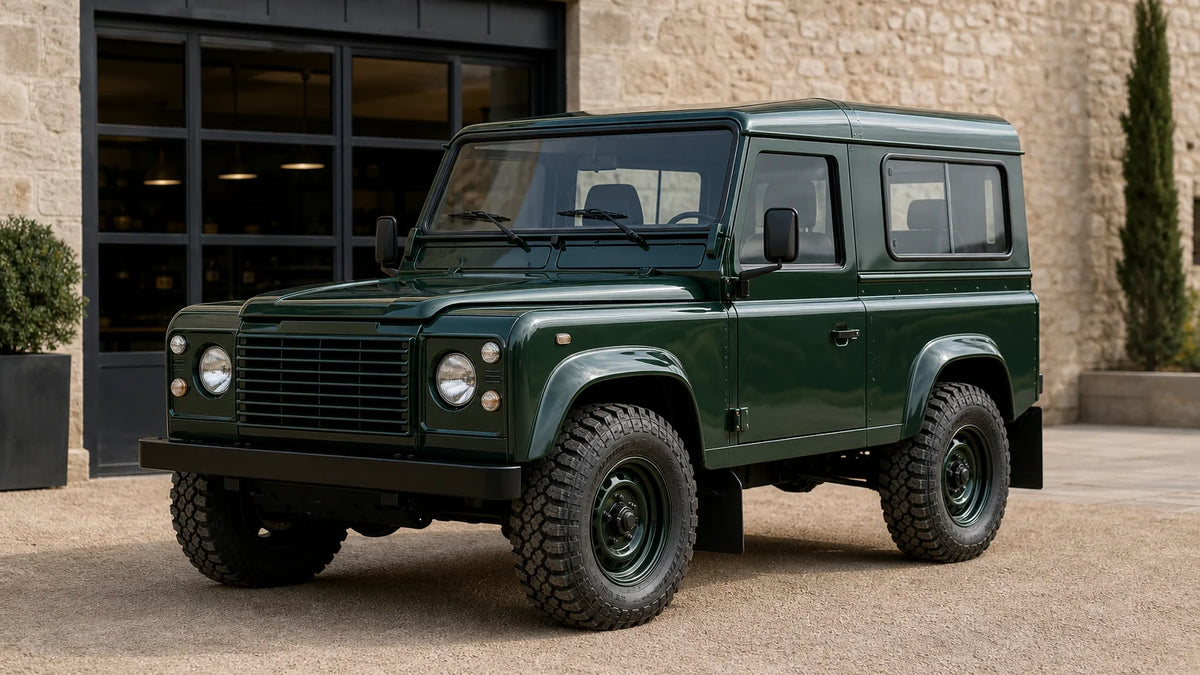
A classic Defender can be transformed into a highly personal touring vehicle, city car, or expedition machine. If you are searching for a custom Defender for sale, begin with the builder’s process rather than the paint color. Our custom Land Rover Defender builds illustrate how design, craftsmanship, and a distinctive specification can shape the character of a vehicle.
The market includes original classics, cosmetic restorations, ground up rebuilds, electric conversions, and modern vehicles carrying the Defender name. These categories can look similar in photographs while differing substantially in engineering, legal status, reliability, maintenance, and resale expectations. A careful buyer therefore needs a clear comparison framework before requesting a viewing or placing a deposit.
What does a custom Defender for sale actually include?
Start by identifying what the seller means by “custom.” The term may describe a new paint finish and upgraded seats, or it may refer to a vehicle stripped to its chassis and rebuilt throughout. Those are materially different products, even when both are advertised as restored Defenders.
A serious ground up rebuild should have a documented scope of work. Ask whether the chassis was inspected, repaired, replaced, galvanized, or coated. Confirm whether the bulkhead, wiring, brakes, axles, steering, suspension, fuel system, and cooling system were renewed or merely serviced. You should also establish whether the engine and transmission are original, rebuilt, replaced, or converted.
The body and cabin deserve the same attention. Look for evidence of panel alignment, corrosion treatment, paint preparation, insulation, seat mounting, weather sealing, and climate control installation. Interior materials can be changed easily, but poor electrical work or unresolved water ingress can affect ownership long after the vehicle leaves the showroom.
Vehicle identity is another important distinction. A classic Defender may retain its original chassis and engine, while another build may use a replacement chassis, a donor vehicle, or a heavily modified drivetrain. The invoice, identification numbers, title documents, import records, and build file should explain that history in a consistent way.
The broader market also includes both classic models and newer Defender variants. A third party marketplace overview separates older 90 and 110 models from modern Defender trims, which is a useful reminder to define the generation before comparing prices or specifications. Read the marketplace inventory overview as a category reference, not as a substitute for a vehicle inspection.
Would you rather buy a finished build or commission one?
A finished vehicle is appropriate when immediate access matters most. You can inspect the exact exterior, drive the vehicle, review its final documentation, and understand which compromises already exist. This route may also reduce uncertainty about the delivery schedule because the build is substantially complete.
The tradeoff is that the specification was created for another owner, or for a builder’s established design language. You may need to accept the engine, seating layout, color, wheel package, audio system, and suspension setup as delivered. Changes after completion can be expensive, particularly when they affect wiring, upholstery, braking, or drivetrain calibration.
A commission provides greater control. You can define the body style, intended use, seating capacity, fuel type, transmission, paint, materials, storage, and technology before production begins. However, a commission requires patience, disciplined decisions, and a written agreement covering milestones, approvals, payment stages, testing, warranty terms, and delivery responsibilities.
For inspiration, our custom Defender from Cool Vintage shows how a classic platform can be interpreted through a strong visual identity. The useful lesson is not to copy a particular finish. It is to determine which design choices support your own driving habits and ownership expectations.
Consider your use case before choosing the route. A coastal weekend vehicle may need open air capability, corrosion protection, and durable upholstery. A daily driver may require improved sound insulation, reliable climate control, modern lighting, and comfortable highway gearing. An expedition vehicle may prioritize recovery equipment, underbody protection, auxiliary power, and serviceability far from specialist workshops.
Which specifications matter most during a viewing?
Imagine two vehicles standing side by side. One has a striking finish and new leather, while the other has less dramatic styling but a fully documented chassis, rebuilt axles, upgraded brakes, and a clearly calibrated powertrain. For long term ownership, the second vehicle may deserve closer attention.
Begin beneath the body. Inspect chassis rails, outriggers, crossmembers, suspension mounting points, bulkhead areas, and floor sections. Fresh coating can conceal previous corrosion repairs, so ask for photographs taken before painting. A trustworthy build file should show the condition of the metal before major work was completed.
Next, assess the powertrain choice. A rebuilt original diesel may suit buyers who value period character and long range touring. A petrol V8 can provide different performance and refinement. An electric conversion may offer quiet operation and a distinct driving experience, but it also introduces questions about battery health, thermal management, charging compatibility, range, software, and specialist support.
Do not evaluate an engine in isolation. The brakes, axles, cooling system, clutch or torque converter, transfer case, steering, and suspension must match its output. A powerful conversion with inadequate supporting systems can create avoidable mechanical and safety concerns. Ask how the builder tested the vehicle under load, at highway speed, and in the conditions for which it was designed.
Cabin quality is more than leather selection. Check driving position, pedal alignment, seat adjustment, visibility, switch placement, ventilation, demisting, storage, and rear passenger access. Modern features are valuable only when they are integrated cleanly and remain usable without distracting from the vehicle’s essential controls.

How much should a custom Defender for sale cost in 2026?
There is no single 2026 price because the market combines unfinished classics, lightly modified trucks, high specification restomods, and bespoke builds. Price is shaped by the donor vehicle, chassis work, drivetrain, interior, engineering changes, builder reputation, warranty, documentation, and delivery scope.
One third party sales tracker reported a median recorded sale of $52,500 for the Defender 110 category, with recorded results ranging from $20,000 to $147,500. Those figures cover a broad sample and should not be treated as a direct valuation for a fully re engineered custom vehicle. They do, however, demonstrate why model year, condition, provenance, and modification quality must be separated before making a comparison. See the 2026 recorded sales data for the stated sample and methodology.
At the high end, you are paying for more than visual customization. You may be paying for extensive metalwork, a rebuilt or replaced drivetrain, upgraded brakes, custom fabrication, hand finished trim, engineering validation, testing, warranty coverage, and a documented build process. The price should be connected to a defined specification rather than to a vague promise of exclusivity.
Calculate the total acquisition cost before comparing vehicles. Include inspection, insurance, transport, taxes, registration, import administration, storage, specialist servicing, replacement parts, and any immediate upgrades. An apparently lower purchase price can become less attractive when the vehicle needs wiring work, chassis repairs, tires, cooling improvements, or compliance adjustments.
Also clarify what the quoted price excludes. Delivery, taxes, registration support, accessory installation, warranty extensions, and post delivery corrections may be handled separately. Ask for a written price breakdown and confirm whether the quoted amount applies to the exact vehicle shown or to a similar build used as a reference.
What documentation protects the purchase?
A well presented vehicle should come with a coherent provenance file. Request photographs of the donor vehicle, chassis, body panels, mechanical components, paint stages, interior construction, and final testing. Match those records against the vehicle identification numbers and the documents supplied with the sale.
Important records may include the title, import paperwork, invoices, receipts, parts lists, engine documentation, engineering certificates, service records, warranty terms, and details of previous ownership. The exact requirements vary by jurisdiction, so international buyers should obtain independent advice before committing funds.
Be cautious when a listing uses broad terms such as “fully restored,” “new,” or “refurbished.” A classified listing can combine an import date, restoration narrative, mileage statement, and seller supplied market claim in one description. That makes it especially important to distinguish verified records from marketing language. An example of this mixed listing format appears in a classic Defender listing.
Ask for an independent inspection before payment becomes irreversible. The inspector should understand classic Land Rovers and modified vehicles, not only conventional used cars. The report should cover structural condition, identification numbers, fluid leaks, cold start behavior, charging or fuel systems, brake performance, steering play, suspension response, tire age, electrical safety, and signs of accident repair.
Warranty language also deserves careful reading. Confirm its duration, mileage limit, geographic coverage, exclusions, claim process, labor arrangements, and treatment of specialist or imported parts. A warranty is useful only when you understand who performs the work and how support operates after delivery.
If you are buying internationally, what should you arrange first?
International ownership adds a second project alongside the vehicle purchase. Before placing a deposit, confirm whether the vehicle is already registered in your destination country, whether it can be imported in its current form, and whether modifications affect inspection, emissions, lighting, noise, or registration requirements.
Request a complete delivery plan. It should identify the transport method, insurance responsibility, collection point, destination port or facility, customs documentation, taxes, storage charges, and handover process. You should also know who coordinates communication between the seller, carrier, customs broker, and local registration authority.
The powertrain can affect ownership after arrival. A specialist petrol engine may require different service support from an original diesel. An electric conversion may require qualified high voltage technicians and compatible charging infrastructure. A right hand drive vehicle may also influence daily usability, insurance, and local inspection, depending on your country.
Plan for service before delivery, not after the first warning light. Identify a workshop that can work on the vehicle’s engine, transmission, electrical systems, suspension, and conversion components. If the builder operates internationally, ask what support is provided remotely and which parts are considered proprietary.
For buyers who prefer a guided search, our blacked out Defender build demonstrates how a focused specification can be evaluated as a complete design object. The same approach helps internationally: define the intended use, identify the required systems, and confirm how each decision affects transport and aftercare.
Where can TheArsenale support a custom Defender search?
TheArsenale is relevant when your search extends beyond a conventional classified advertisement. Our marketplace connects collectors and enthusiasts with rare mobility objects, while our wider network includes builders, designers, and brands across land, sea, and air categories. This creates a broader context for evaluating design, engineering, provenance, and collectability.
Our role can be especially useful when you want help identifying a suitable vehicle or comparing a completed build with a possible commission. The process can begin with your preferred body style, intended driving environment, powertrain, design language, budget range, and delivery location. Clear information allows the search to focus on vehicles that fit your requirements rather than on attractive but unsuitable examples.
You can also review our Land Rover Defender vehicles alongside other curated automotive objects. This does not replace an independent inspection or local legal advice. It does provide a structured starting point for buyers who value rarity, visual coherence, builder identity, and a more personal acquisition process.
When the vehicle is high value or difficult to source, ask for assistance with availability, build status, documentation, delivery, and next steps. A careful curator should help clarify what is known, what remains to be verified, and which questions should be answered before you proceed.
Make the purchase on evidence
The right custom Defender is not defined by a dramatic color or a long equipment list. It is defined by structural integrity, compatible engineering, transparent documentation, suitable aftercare, and a specification that matches how you will actually use the vehicle. In 2026, buyers should compare the complete acquisition rather than the advertised price alone. Whether you choose a finished build or a commission, an independent inspection and written scope of work provide the clearest protection.
Take action with TheArsenale
Once you have defined the right body style, powertrain, finish, and ownership requirements, the next challenge is finding a vehicle that genuinely fits. A curated marketplace can make that search more focused, particularly when you are comparing rare builds or sourcing across international markets.

We bring together distinctive mobility objects and specialist builders for collectors and enthusiasts seeking a more considered acquisition. Explore custom vehicles for sale, then contact our team if you need assistance understanding availability, specification, sourcing, or the next step toward ownership.
Frequently Asked Questions
What is the difference between a restored and a custom Defender?
A restored Defender may focus on returning an older vehicle to a sound or period appropriate condition. A custom Defender usually involves deliberate changes to the drivetrain, suspension, interior, technology, body finish, or intended use, with the extent of the work varying by builder.
Is a completed build better than commissioning a Defender?
Neither route is automatically better. A completed build provides faster access and allows you to inspect the exact vehicle, while a commission gives you greater control over the specification but requires more time and decision making.
What should I inspect before buying a custom Defender?
Prioritize the chassis, bulkhead, wiring, brakes, axles, suspension, steering, drivetrain, cooling system, identification numbers, and documentation. An independent inspection by a specialist is advisable, especially when the vehicle has extensive modifications.
Can TheArsenale help me source a rare Defender?
Yes, our marketplace and sales team can support the search for curated mobility objects and high value acquisitions. You can provide your preferred specification, location, and intended use so the team can clarify suitable availability and sourcing options.
What extra costs should international buyers consider?
Allow for transport, insurance, customs administration, taxes, registration, inspection, storage, and local servicing. Modified vehicles may also require additional compliance checks, so confirm the requirements in your destination country before paying a deposit.