Electric Speedboat for Sale: Your 2026 Buyer's Guide

The market for battery-powered leisure craft has shifted from novelty to serious purchase consideration. According to industry forecasts, the wider electric boat sector is measured in billions of dollars and growing at double-digit rates each year. If you are searching for an electric speedboat for sale, you are joining a fast-growing group of buyers who want performance without fuel, fumes or engine noise on the water.
Yet buying an electric powerboat is not the same as buying a gasoline runabout. Range, charging logistics and hull efficiency shape the experience far more than horsepower alone. Before you compare models, it helps to understand where our own hydrofoil electric speedboat coverage fits into a market that is maturing quickly, and what separates a smart purchase from an expensive disappointment.
Why buyers are switching to electric powerboats
The appeal starts with the experience on the water. An electric drivetrain delivers instant torque, near-silent operation and no exhaust, which changes how a fast boat feels at speed. This shift is not niche. According to MarketsandMarkets, the electric boats market is estimated at USD 4.40 billion in 2026 and is projected to reach USD 10.60 billion by 2031, growing at a compound annual rate of 19.2 percent.
Regulation is a major driver behind that curve. Business Research Insights reports that roughly 70 percent of market growth is linked to stricter environmental rules and rising consumer demand for sustainable boating. Cleaner waterways, quieter marinas and emissions limits are pushing both recreational owners and commercial operators toward battery power.
There is also a cost logic. Electricity is generally cheaper than marine fuel, and electric motors contain fewer moving parts than combustion engines, which reduces routine maintenance. For owners who use their boats frequently, these savings accumulate over the ownership period.

The hydrofoil advantage: range and efficiency
Range is the single biggest limitation of any electric boat, because water creates far more drag than a road surface. This is where hull technology matters. Hydrofoil designs lift the hull clear of the water at speed, dramatically cutting drag and extending the distance a battery can cover.
The efficiency gain is significant enough to reshape what electric performance craft can achieve. Foiling boats can maintain high speeds while drawing a fraction of the energy a planing hull would require, which turns a modest battery into a genuinely usable cruising range. For buyers who care about covering real distances, our reporting on the electric boating future (Q30) illustrates how foil-assisted platforms are redefining expectations for a battery-powered speedboat.
When you evaluate a listing, ask two questions: what is the realistic cruising range at planing or foiling speed, and how quickly does the range collapse when you push the throttle? A boat rated for long distance at displacement speed may deliver far less when you actually want to go fast.
What to check before you buy
Consider a scenario. You find an attractive listing at a competitive price, but the specification sheet lists range only at low speed. That single detail can transform your ownership experience. To avoid surprises, evaluate every candidate against a consistent checklist.
- Usable range at speed, not just the headline figure at slow cruising.
- Charging time and connector type, including whether fast charging is supported at your marina.
- Battery warranty and expected lifespan, since the battery is the most expensive component.
- Hull design, comparing planing, displacement and hydrofoil options for your intended use.
- Weight and towing, because battery packs add mass that affects trailering and storage.
Geography matters too. Grand View Research notes that North America accounted for 46.8 percent of the global electric boat market in 2024, with leisure boats representing the largest single segment at 42.1 percent. A strong regional market usually means better dealer support, parts availability and charging infrastructure, all of which protect your investment.
Understanding electric speedboat pricing
Pricing spans an enormous range, from entry-level electric runabouts to advanced foiling performance craft. The variation reflects battery capacity, hull technology and build quality rather than a single standard. The table below outlines typical categories to frame your budget.
| Category | Typical use | Key trade-off |
|---|---|---|
| Entry electric runabout | Calm lakes, short coastal trips | Limited range and top speed |
| Performance planing hull | Watersports, faster cruising | Higher energy use at speed |
| Hydrofoil performance craft | Long range at high speed | Premium price, advanced tech |
| Curated selection at TheArsenale | Buyers seeking exclusive, high-performance electric craft | Access to premium and concept-level models |
Remember that the sticker price is only part of the equation. Home or marina charging installation, insurance, mooring and eventual battery servicing all contribute to total ownership cost. Weigh these against the fuel and maintenance you will not be paying.

Where the market is heading
The direction of travel is clear even if exact figures vary by analyst. Fortune Business Insights valued the global electric boat market at USD 7.82 billion in 2025 and projects growth toward USD 24.94 billion by 2034. Rising battery density, expanding marina charging and tightening emissions rules all reinforce the trend.
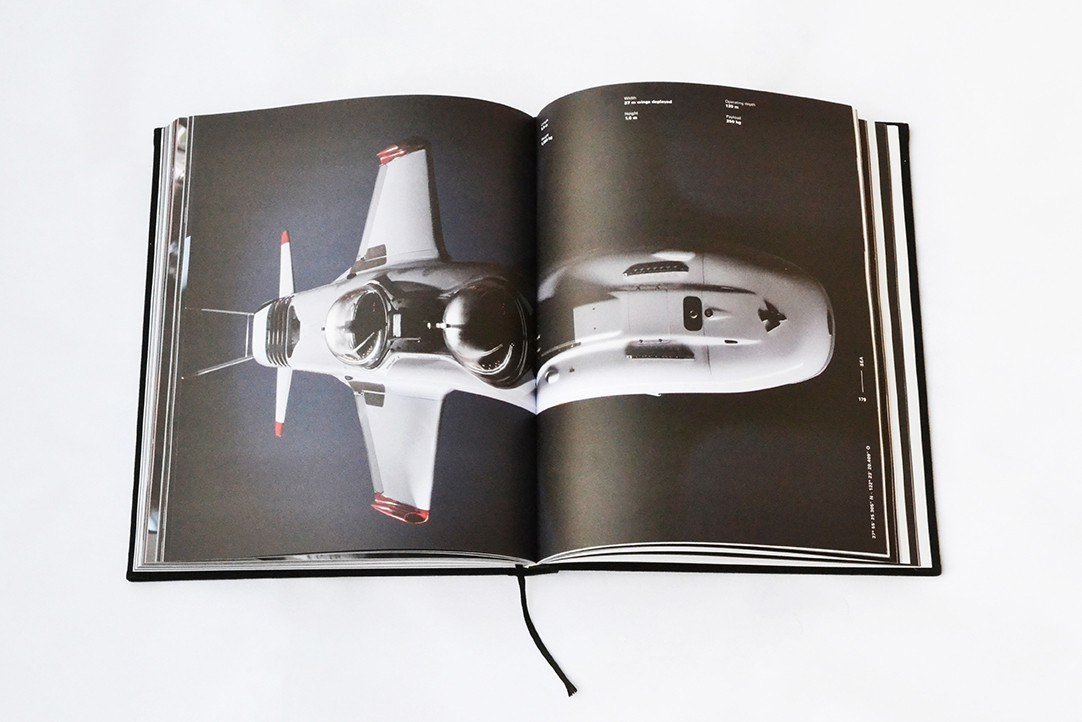
For buyers, this maturing market brings more choice, better resale confidence and steadily improving technology. Design concepts also hint at where performance and aesthetics are converging, as our look at a striking electric boat concept demonstrates. The electric watercraft you buy today sits at the start of a long adoption curve, so future-proofing your choice pays dividends.
Making a confident purchase
Buying an electric speedboat rewards careful evaluation over impulse. Prioritize usable range at your intended speed, verify charging compatibility with your marina, and study the battery warranty before you commit. Match the hull technology, whether planing or hydrofoil, to how and where you actually intend to ride. With the market expanding quickly and technology improving each year, a considered purchase now positions you to enjoy quiet, clean performance while protecting long-term resale value on the water.
Take action with TheArsenale
Once you have defined the range, hull and budget that suit you, the next step is finding a source that curates genuinely exceptional craft rather than generic listings. That is precisely where we can help you move from research to ownership with confidence.

As a luxury mobility marketplace, we bring together high-performance and concept-level water vehicles in one curated collection, with a sales team available around the clock and a Private Membership that grants access to vehicles before they are listed publicly. Explore our electric boats for sale to discover models that pair silent performance with distinctive design.
Frequently Asked Questions
How far can an electric speedboat travel on one charge?
Range depends heavily on hull design and speed. A planing hull may cover limited distance at full throttle, while a hydrofoil craft can sustain high speed far more efficiently. Always check the range quoted at your intended cruising speed rather than the headline figure.
Are electric speedboats cheaper to run than gasoline models?
In most cases, yes. Electricity typically costs less than marine fuel, and electric motors require less routine maintenance because they contain fewer moving parts. These savings accumulate over the ownership period, especially for owners who use their boats frequently.
How long does it take to charge an electric boat?
Charging time varies with battery capacity and charger type. Standard charging may take several hours, while fast-charging support can reduce this considerably. Confirm that your marina or home setup is compatible with the boat before you purchase.
Where can I find high-performance electric speedboats for sale?
Specialist marketplaces curate premium and concept-level craft that general dealers rarely stock. Our own collection brings together high-performance electric water vehicles in one place, with sales support available around the clock. This helps you compare exclusive models without visiting multiple sellers.
Is the electric boat market growing?
Yes, and rapidly. Analysts project double-digit annual growth through the early 2030s, driven by stricter emissions rules and improving battery technology. This expansion brings more model choice and stronger resale confidence for buyers in 2026.