CANDELA SETS WORLD RECORD WITH HYDROFOIL ELECTRIC SPEEDBOAT VOYAGE

The Candela C-8 electric speedboat made history on 5 September 2024 when it completed the first electric crossing of the Baltic Sea, covering a 150-nautical-mile round trip between Stockholm and the Aland Islands in a single day. The achievement, documented by Kempower and verified by independent observers, demonstrated that hydrofoil electric boats are no longer constrained by the short-range limitation that has defined battery-powered watercraft since its inception.
How the Baltic Sea record was set
The C-8 departed Stockholm and reached Mariehamn, capital of the Finnish autonomous Aland Islands, after a single charging stop in Kapellskär. The return journey was completed the same day, making the full 150-nautical-mile round trip on one battery charge plus one stop. The chase boat, a conventional gasoline-powered vessel of comparable size, spent 7,800 SEK on fuel during the same journey. The Candela C-8 consumed 213 kWh of electricity at a cost of approximately 400 SEK: a running cost 95% lower than its fossil-fuel counterpart. The C-8 is equipped with a Polestar 69 kWh battery, and the hydrofoil system that lifts the hull above the water is the critical factor enabling this energy economy.

Why hydrofoils change the economics of electric boating
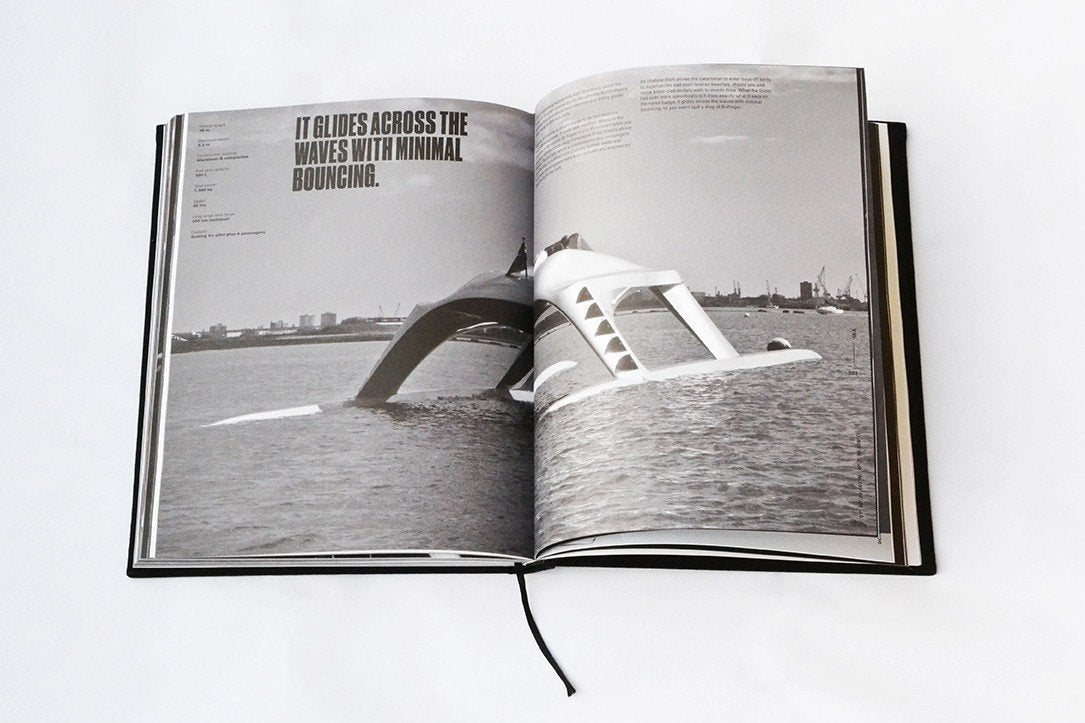
Conventional hull design requires the boat to push water aside at speed, a process that consumes energy exponentially as velocity increases. Hydrofoil technology solves this by lifting the hull clear of the water entirely, with only the narrow foil struts in contact with the surface. Candela's computer-controlled foils maintain this elevated position automatically, adjusting in real time to wave conditions. The company reports an 80% reduction in energy consumption compared to conventional boats of equivalent size at equivalent speeds. For electric propulsion, that reduction is transformative: an 80% drop in energy demand extends range from a limiting factor to a genuine competitive advantage over fossil-fuel alternatives.

Infrastructure and the path to adoption
The Kempower partnership that supported the record voyage demonstrates a practical dimension often overlooked in electric marine discussions: the charging infrastructure required to make long-range electric boating viable already exists in the Baltic region. By utilising shore-side charging points rather than requiring dedicated marine infrastructure, the C-8 voyage mapped a route that other electric vessels can follow today without waiting for purpose-built facilities. This compatibility with existing systems reduces the barrier to adoption significantly compared to hydrogen or other alternative marine fuels.
The full voyage announcement is published on the Candela official newsroom. The Kempower collaboration is documented at Kempower's announcement. Electrek covered the voyage with additional technical context at their Candela world record feature.

Electric and high-performance watercraft at TheArsenale
The Candela C-8 voyage points to where electric boating is heading. TheArsenale carries the machines that are already there. The Q2S Electric Hydrofoil Boat by Quadrofoil applies the same foiling principle at a personal scale, offering silent, zero-emission water travel without a marine licence in many jurisdictions. The Beau Lake Electric Runabout brings classic runabout aesthetics to a fully electric drivetrain. For raw speed on water, the SAY45 RIB Speedster Carbon is built for performance above all else. Explore the full TheArsenale Watersport collection.
Photo: CANDELA