Flying Car Price in 2026: What You Really Pay to Fly
Is personal flight finally affordable, or is it still a billionaire's toy? In 2026, the honest answer sits somewhere in between. A single-seat ultralight can be reserved for less than the cost of a premium sedan, while a certified road-and-air machine still commands supercar money. Understanding the price of a flying car means looking past the advertised figure and into deposits, licensing, and long-term costs. For a deeper category breakdown, our guide on how much a flying car costs maps each tier in detail.
The category is no longer speculative. According to Straits Research, the global flying cars market is projected to grow from USD 740.74 million in 2025 to USD 7.75 billion by 2033, a compound annual growth rate of 34.1 percent. That scale is precisely why so many real models now carry real price tags.
What a flying car actually costs in 2026
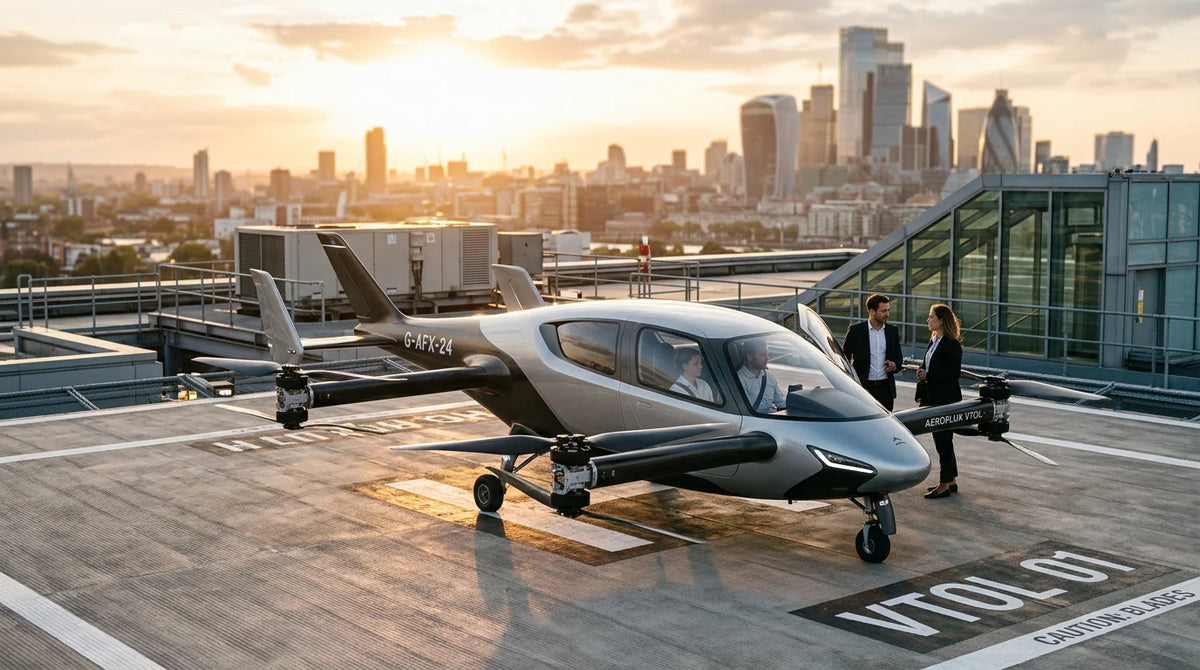
The first thing buyers learn is that the flying car price you see advertised is only a starting point. Entry-level recreational aircraft begin near $98,000, mid-range two-seat eVTOL models cluster between $130,000 and $200,000, and certified roadable hybrids climb past $300,000. At the very top, dual-mode machines with aerospace certification can approach or exceed $1 million.
These figures reflect fundamentally different vehicles. A lightweight single-seater built to stay under regulatory weight limits is a recreational craft. A street-legal machine that transforms between driving and flying is a far more complex engineering proposition, which is reflected directly in its cost.

Price by category: ultralight eVTOL versus roadable hybrid
Direct comparison is the clearest way to understand where your budget lands. The table below groups the models most frequently discussed in 2026 by their entry price and type. The Pivotal Helix, for example, starts at $190,000 and falls under the FAA Part 103 ultralight category, meaning no pilot's licence is required.
| Model | Type | Starting price | Passengers | Availability route |
|---|---|---|---|---|
| Jetson One | Ultralight eVTOL | ~$98,000 | 1 | Direct pre-order |
| Doroni H1 | eVTOL | $130,000–$150,000 | 2 | Direct pre-order |
| Samson Switchblade | Roadable (runway) | ~$170,000 | 2 | Direct reservation |
| Pivotal Helix | Ultralight eVTOL | $190,000 | 1 | Direct reservation |
| Alef Model A | Roadable eVTOL | ~$300,000 | 2 | Direct pre-order |
| PAL-V Liberty | Roadable (runway) | ~$322,000 | 2 | Direct reservation |
| TheArsenale marketplace | Curated multi-brand access | Varies by model | Model dependent | Early access via Private Membership |
If you would rather compare these against US-specific pricing and delivery timelines, our overview of flying car prices in the USA isolates the domestic market. For those weighing the trade-offs between the two vehicle families, our breakdown of flying car versus eVTOL pricing explains why a roadable hybrid usually costs more than a pure air taxi platform.
Beyond the sticker: deposits, training, and running costs
The headline number is rarely what leaves your account first. Reservations typically require a refundable deposit, and premium models add accessories that are not optional in practice. Pivotal, for instance, asks for a $50,000 deposit, and buyers commonly add a transport trailer for around $21,000 and a charger for roughly $1,100.
Training is the next line item. Ultralight models often bundle instruction into the purchase, with most buyers completing it in under two weeks. Then come the recurring costs. Industry estimates place annual insurance, storage, and maintenance for a personal flying vehicle at $30,000 or more, a figure that materially changes the true cost of ownership.
The advertised price buys the aircraft. Deposits, accessories, training, and annual upkeep determine what you actually spend to keep it flying.
Why prices vary so widely
Two vehicles can both be called flying cars and differ in price by a factor of ten. The gap comes down to certification, propulsion, and mission. According to Coherent Market Insights, battery electric propulsion is expected to hold about 57 percent of the flying car market in 2026, and passenger-carrying flying cars are projected to represent roughly 71 percent of the market. Certification for two-seat, road-legal machines is far more demanding than for single-seat recreational craft, which explains much of the pricing spread.

Rapid market growth also shapes pricing. As production scales, entry prices tend to drift downward, which is already visible in the arrival of sub-$100,000 ultralights. If you want to understand what is genuinely purchasable today versus what remains a concept, our explainer on whether you can buy a flying car today separates marketing from reality.
Where the market is heading in 2026 and beyond
Momentum is regional as much as technological. Coherent Market Insights projects that Asia Pacific will account for around 32 percent of the flying car market in 2026, driven by urban air mobility infrastructure. On the product side, Research and Markets notes that manufacturers unveiled dual-mode systems combining an electric ground module with a foldable air module, signalling that the segment is consolidating around practical, integrated designs.
For buyers, this maturing market has a clear implication. Prices at the premium end remain high, but the range of credible options is widening, and delivery windows are increasingly measured in months rather than years. The question is shifting from whether you can own one to which category fits your budget and use case.
How to choose without overpaying
Start with the mission, not the model. If you want recreational flight over open land, a single-seat ultralight avoids licensing costs and keeps the total budget lowest. If you need genuine door-to-door driving and flying, a roadable hybrid justifies its higher price, provided you can meet its licensing and running-cost demands.
Then verify legality before you place a deposit. Weight class, airspace rules, and licensing requirements vary sharply by country and by model, and they affect the real cost of ownership as much as the purchase price itself. Confirming these details early prevents an expensive reservation on a machine you cannot legally operate where you live.
Final thoughts on flying car pricing
Understanding the price of a flying car in 2026 means reading past the advertised figure. Budget realistically for the deposit, mandatory accessories, training, and annual upkeep, then match the vehicle category to how you actually intend to fly. A recreational ultralight and a certified roadable hybrid serve different needs and different wallets. Decide the mission first, confirm the legal framework second, and the right price tier will become clear.
Take action with TheArsenale
If you are ready to move from research to acquisition, the challenge is no longer whether flying cars exist but securing the right one before availability tightens. As a luxury mobility marketplace, we curate high-end machines and connect serious buyers with the models generating the most demand.

Through our Private Membership, you gain access to select vehicles before they are listed publicly, alongside a curated view of the personal flight category. Explore our XPeng Aeroht flying cars collection to see how we position emerging dual-mode mobility for discerning buyers, and reach our team directly when you are ready to discuss availability and next steps.
Frequently Asked Questions
What is the cheapest flying car available in 2026?
The most affordable options are single-seat ultralight eVTOLs, which start at roughly $98,000. These models trade capacity and range for a lower price and, in some jurisdictions, no pilot's licence requirement. They suit recreational flight rather than daily commuting.
Do you need a pilot's licence to fly one?
It depends on the vehicle's weight class and your country. In the United States, qualifying ultralight eVTOLs may be flown under FAA Part 103 without a licence, though not over congested areas. Heavier or road-legal machines typically require sport pilot certification or equivalent.
How much do flying cars cost to run each year?
Beyond the purchase price, owners should budget for insurance, storage, and maintenance. Industry estimates place these annual running costs at around $30,000 or more, depending on the model and how often you fly. Training and accessories add further to the first-year total.
Can I actually buy a flying car right now?
Yes, several models are open for reservation or pre-order, with deposits securing genuine production slots. Delivery windows are generally measured in months. Our marketplace also offers curated early access to select vehicles for members who want to move ahead of public listings.
Why do roadable flying cars cost more than eVTOL ultralights?
Roadable hybrids must satisfy both road and aviation certification, which drives up engineering complexity and cost. They also carry more passengers and offer longer range. That combination explains why prices exceed $300,000 while single-seat ultralights start far lower.