Flying Car Price in the USA: 2026 Costs and Buyer Guide
A future once confined to film reels now carries a sticker price. If you have the budget and the patience, a personal aircraft can be reserved today, and the entry point may surprise you. Recreational ultralight models have dropped toward the cost of a well-equipped pickup truck, while roadable machines remain firmly in supercar territory. To understand what your money buys, our guide to buying a flying car today separates genuine availability from marketing renderings.
Understanding the flying car price in usa means looking beyond a single number. Prices vary by weight class, propulsion, licensing, and whether a machine truly drives on public roads. The broader personal air mobility segment has matured quickly, and the choices facing buyers in 2026 are more concrete than at any point in the past decade.
What a Flying Car Costs in the United States in 2026
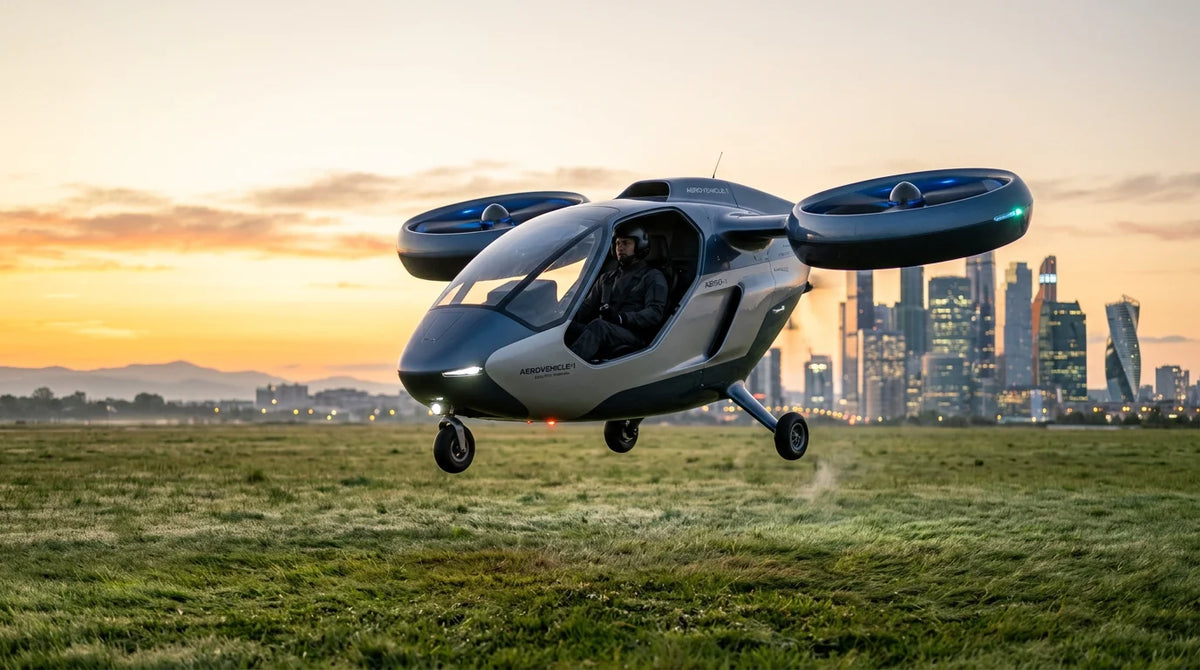
The price of a personal flying vehicle depends almost entirely on its category. Ultralight electric aircraft that qualify under federal Part 103 rules now start near $40,000, while dual-mode machines that drive and fly command far higher figures. Between these poles sit single-seat and two-seat eVTOLs priced from roughly $130,000 to $190,000.
The market context helps explain this spread. According to Global Market Insights, the flying cars market was valued at USD 492.7 million in 2026 and is estimated to register a compound annual growth rate of 37.5% through 2034. Rapid expansion tends to lower entry prices over time, though certified consumer models remain expensive today.

Model-by-Model Price Comparison
Consider a buyer weighing several options at once. The differences in price, range, and licensing become clear only when the leading models are placed side by side. The table below summarizes the most frequently referenced consumer machines available for reservation in the United States, alongside our own role as a curated point of access.
| Model / Access | Approx. Price (USD) | Seats | Type | Availability |
|---|---|---|---|---|
| Rictor X4 | $39,900 | 1 | Ultralight eVTOL | Deposit / 2026 |
| Jetson One | $128,000 | 1 | Ultralight eVTOL | Sold out through 2026 |
| Doroni H1 | $150,000 | 2 | eVTOL | Pre-order |
| Samson Switchblade | $170,000 | 2 | Roadable (runway) | Pre-order |
| Pivotal Helix | $190,000 | 1 | eVTOL ultralight | Reservation |
| Alef Model A | $299,999 | 2 | Roadable eVTOL | Pre-order |
| PAL-V Liberty | $322,000 | 2 | Roadable gyroplane | Not yet available |
| Our air mobility curation | Curated access | Varies | Marketplace | Private early access |
If you would rather review vetted machines in one place than track each manufacturer separately, our air mobility vehicles collection brings curated options together for serious buyers. For readers drawn to convertible designs, our overview of how modular flying cars could change transportation explains why adaptable platforms are gaining attention.
Roadable Flying Cars: The $300,000 Tier
The highest-profile roadable model illustrates the premium tier well. According to Flying Magazine, Alef Aeronautics' Model A was awarded an experimental category special airworthiness certificate, becoming the first fully electric flying car design to secure that legal signoff from the FAA. The company has priced the vehicle at roughly $300,000.
The Model A is engineered for both driving and vertical flight. As CNN Business reported, it is designed to carry one or two occupants with a road range of 200 miles and a flying range of 110 miles, and it parks like a conventional car. That dual capability is precisely what pushes roadable machines above single-mode aircraft in price.
Convertible engineering carries a cost premium because a single vehicle must satisfy two very different sets of safety standards. For a closer look at one prominent convertible platform, our feature on the XPeng AeroHT modular flying car examines how separated flight and drive modules approach the same challenge from a different direction.
Hidden Costs Beyond the Sticker Price
The purchase figure rarely tells the whole story. Reservations typically require substantial deposits, and accessories add meaningful sums. The Pivotal Helix, for example, lists a transport trailer at $21,000 and a home charger at $1,100, with a $50,000 deposit required to hold a production slot.
Buyers should also budget for training, insurance, storage, and maintenance. Ultralight aircraft under Part 103 do not require a pilot's license, yet responsible operation still demands structured instruction. Roadable machines that use runways generally require a sport pilot certificate or equivalent, adding time and expense before a first flight.

Why Prices Remain High and Where They May Head
Why does a personal aircraft still cost as much as a house in many regions? Certification, low production volumes, advanced batteries, and redundant safety systems all concentrate cost into each unit. As output scales, prices are widely expected to ease, mirroring the trajectory of electric ground vehicles.
The investment climate reinforces that direction. According to Precedence Research, the U.S. eVTOL aircraft market accounted for USD 1.00 billion in 2025 and is projected to reach around USD 66.31 billion by 2035. Capital at that scale tends to fund manufacturing capacity, which historically lowers per-unit costs over successive production cycles.
The Gap Between Reservation and Delivery
A deposit is not a delivery, and this distinction matters most in the premium tier. Many programs advertise ambitious timelines that later slip as regulatory milestones prove slower than anticipated. Buyers should treat published delivery dates as aspirations rather than guarantees.
The point is well documented for the flagship roadable model. As Torque News observed in late 2025, holding only an experimental certificate means full type certification, which is required for mass production and consumer sale, remains a lengthy process that often takes years. Prospective owners should confirm certification status and refund terms before committing significant deposits.
Making Sense of Flying Car Costs Today
The flying car price for a buyer in the USA now spans a wide and meaningful range, from roughly $40,000 for an ultralight recreational eVTOL to more than $320,000 for a certified roadable machine. Match the category to your genuine use case, budget for training, accessories, and insurance beyond the sticker figure, and verify certification status and delivery terms in writing. Approached with patience and due diligence, ownership has moved from fantasy to a documented, if premium, reality.
Take action with TheArsenale
Comparing manufacturers, deposits, and delivery timelines on your own can be demanding, especially when figures shift between announcement and production. If you are weighing a serious acquisition, you deserve verified information and access to machines before they reach public listings.

As a luxury mobility marketplace, we curate high-end air and mobility machines and offer Private Membership access to vehicles before they are listed publicly. To review the numbers in detail, consult our breakdown of flying car costs in the USA and connect with our sales team, which typically replies in under 30 minutes.
Frequently Asked Questions
What is the cheapest flying car available in the USA in 2026?
The most affordable option is the ultralight Rictor X4, priced at approximately $39,900. It qualifies under federal Part 103 rules, which means it does not require a pilot's license. Delivery timelines and refund terms should be confirmed before placing a deposit.
Do you need a pilot's license to fly one?
It depends on the category. Ultralight eVTOLs that weigh under 254 pounds may be operated under FAA Part 103 without a license, though training remains strongly advised. Roadable models that use runways typically require a sport pilot certificate or equivalent.
How much does a roadable flying car cost?
Roadable machines that both drive and fly sit at the top of the market. The Alef Model A is priced at roughly $300,000, and the PAL-V Liberty is estimated above $320,000. Dual-mode engineering and dual certification requirements explain the premium.
Are flying cars actually being delivered yet?
Most consumer models are open for reservation rather than confirmed delivery. Several programs advertise 2026 timelines, but regulatory certification frequently causes delays. You should treat published delivery dates as targets and verify each manufacturer's certification progress.
Where can you compare and access these vehicles?
You can review vetted machines through our curated air mobility vehicles collection, which consolidates options in one place. Our Private Membership also offers access to vehicles before they appear on public listings. This can save considerable time during a high-value purchase decision.