Homemade Mini Submarine: A Realistic Guide to Building One

How far beneath the surface can a vessel assembled in a garage safely carry you? The question sits at the heart of every ambition to build a compact personal submarine at home. Curiosity, cost, and the quiet pull of the unseen ocean drive thousands of hobbyists, yet the engineering distance between a floating model and a crewed craft is vast. Before you touch a single tool, it helps to understand what a serious plan must contain, which is why we set this out in our DIY mini submarine plans.
Water is unforgiving. Every ten metres of depth adds roughly one atmosphere of pressure against the hull, so the margin for error shrinks quickly as you descend. A bottle model in a tub teaches buoyancy in an afternoon. A vessel meant to hold a person underwater is a different discipline entirely, governed by material science, redundancy, and disciplined testing. This article treats both honestly, so your expectations match physical reality.
What Building a Mini Submarine Truly Involves
A credible homemade mini submarine is far more than a sealed shell. A workable design must define the pressure vessel, the ballast and trim systems, the life-support provisions, and the sealing hardware that keeps water out and breathable air in. Each subsystem depends on the others, and a weakness in one can compromise the whole craft.
Think of the build as several coupled engineering problems rather than one. You are managing structure, buoyancy, breathing, and control at the same time. For readers who want a structured breakdown of each element before committing money or materials, our personal submarine plans for building at home walk through the subsystems in sequence. A methodical approach reduces both cost and risk.

Buoyancy and Ballast: The Physics You Cannot Cheat
Every submersible lives or dies by buoyancy control. Ballast tanks flood with water to sink and fill with air to rise, and the balance between them decides whether your craft descends, hovers, or surfaces. Archimedes' principle governs the result: an object floats when it displaces water equal to its own weight. Tiny adjustments matter enormously.
Forward motion follows Newton's third law, as an angled propeller pushes water backward and the vessel is driven forward. The difficulty is not making a model move; it is controlling depth precisely and preventing an uncontrolled ascent. In one documented homemade submarine build, commenters stressed that fine buoyancy control, avoiding a sudden rise from depth, is the critical safety concern for any amateur craft.
Why Depth Turns a Hobby Into a Hazard
The hull is the line between a fascinating project and a fatal one. Water pressure increases relentlessly with depth, and the stresses on any structure grow with it. A shape and thickness that behave perfectly at three metres can fail catastrophically at thirty. This is why depth ambitions must be declared before the first cut, not after.
Consider the extreme end for scale. When the Titan submersible was lost in 2023, its hull is believed to have failed almost instantly. According to a BBC analysis, a collapsing hull moves inward at roughly 1,500 mph and completes its collapse in about one millisecond, faster than a human being can perceive. That physics does not scale down kindly. If your interest has grown beyond shallow water, our guidance on how to choose a personal submarine explains the criteria that genuinely matter.
A Realistic Build Ladder: From Bottle Models to Shallow Craft
Progress deliberately. A recycled plastic bottle, a little modeling clay, a straw, and small weights make a working model that demonstrates ballast, sinking, and floating in a basin of water. This costs almost nothing and teaches the principles safely. It is the ideal first rung and suits builders of nearly any experience level.
The next rung is a small ambient-pressure craft that stays near the surface, where the pilot breathes from scuba equipment and the vessel is never sealed against full depth. Even here, discipline is non-negotiable. Any craft intended to carry a person should first be tested unmanned on a tether, with sensors and cameras recording data for analysis before anyone climbs aboard. Skipping that step is where amateur projects turn dangerous.
Safety Margins and Systems That Keep Builders Alive
Professional design rests on a measurable cushion rather than optimism. The U.S. NTSB investigation into the Titan explains that a submersible's safety factor is the ratio between its failure depth and its maximum operating depth, with 1.5 treated as an absolute minimum; the Titan itself imploded at roughly 3,880 metres. A disciplined home builder applies the same logic, choosing conservative depth limits far below any theoretical collapse point.
Redundancy reinforces that margin. Sensible designs include an automatic, pressure-activated ballast release, so a craft that drifts too deep can shed weight and return to the surface without pilot input. Additional protections include reliable seals, backup buoyancy, and clear surface communication. These are not accessories; they are the difference between a controlled dive and an emergency.
When Buying a Proven Submersible Makes More Sense
Interest in the deep has only intensified. One market report valued the global personal submarine sector at USD 1.47 billion in 2024, projecting compound annual growth of about 9.2 percent through 2033. That demand reflects wealthy explorers, yacht owners, and resorts seeking safe access to the underwater world rather than a garage engineering challenge.
Certification is the dividing line. In 2024, Robb Report noted that classed submersibles are inspected annually by an independent risk-management body and pointed to a decades-long safety record for certified craft. A homemade build cannot easily replicate that pedigree. If your ambitions include real depth or dependable exploration, you may prefer to review our mini submarines for sale rather than shoulder every engineering risk alone.
| Option | Realistic depth | Certification | Best suited for |
| Bottle or model submarine | Basin or tub only | Not applicable | Learning buoyancy and physics |
| Homemade shallow ambient craft | Very shallow, supervised | None | Skilled hobbyists accepting risk |
| Engineered submersible via TheArsenale | Rated and verified depth | Independently classed | Serious, safe underwater exploration |

Bringing Ambition and Safety Together
The appeal of building a mini submarine at home is real, and the model-scale version is a genuinely rewarding place to begin. Master buoyancy, respect sealing, and test unmanned before you ever consider carrying a person. The moment your goals shift toward real depth, the honest answer changes: engineered vessels, conservative safety factors, and independent certification exist precisely because water punishes shortcuts. Let purpose and realism guide every decision, and match the craft to the depth you truly intend to reach.
Take action with TheArsenale
Perhaps your curiosity has outgrown the workbench, and you now want a vessel engineered for the depths you have in mind. We connect serious explorers with curated, high-end ocean exploration craft, so you are not left to shoulder every structural and safety calculation alone.

Through our curated collection of personal submarines and submersibles, you gain access to machines selected for capability and pedigree. As a luxury mobility marketplace, we offer free shipping, and our team usually replies in under thirty minutes. Private Membership can also grant access to vehicles before they are listed publicly.
Frequently Asked Questions
Is it legal to build a homemade mini submarine?
In most regions you may build and test a small submersible privately, but rules tighten sharply once a craft carries passengers or operates in public or commercial waters. Regulations vary by country and by depth, so you should confirm local maritime requirements before diving. When in doubt, treat certification as mandatory.
How deep can a homemade submarine safely go?
A disciplined amateur can build a craft that operates safely only at very shallow depths, with conservative margins and redundant systems. Real depth requires engineered pressure vessels and tested materials that home tooling rarely matches. Ambitions beyond shallow water point firmly toward professionally built submersibles.
What materials are used for a submarine pressure hull?
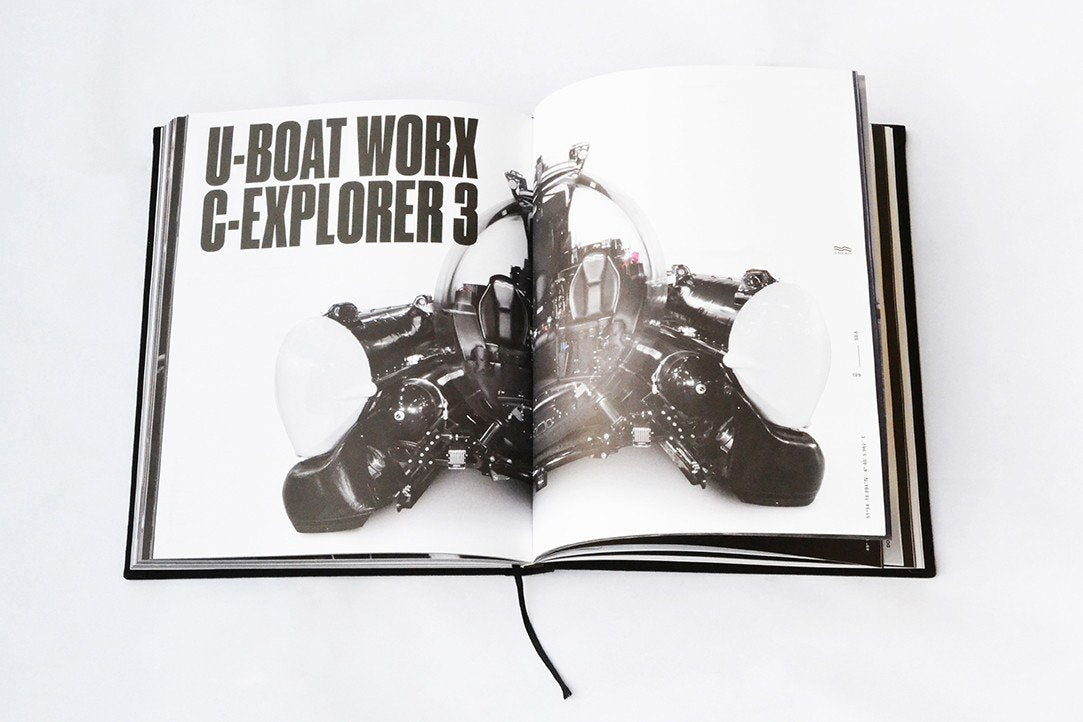
Certified submersibles commonly use steel, titanium, or thick acrylic domes for viewing, each chosen for known behaviour under pressure. These materials are machined to tight tolerances and independently tested. Improvised hulls without verified strength data carry serious risk at depth.
How much does a personal submarine cost?
Prices range widely, from compact recreational models to multimillion-dollar deep-diving craft, depending on depth rating, capacity, and features. Because pricing depends heavily on specification, we recommend reviewing our curated selection to match a vessel to your intended use. Our team can help clarify options based on your goals.
What is the difference between a submarine and a submersible?
A submarine can operate independently for extended periods and typically launches from port, while a submersible relies on a support vessel or shore facility for power and deployment. Most personal craft are technically submersibles. The distinction matters for range, endurance, and operational planning.