Punch Motorcycles: Power and Character in Custom Cafe Racers

Ask any experienced rider what separates a memorable machine from a forgettable one, and the answer often comes down to a single quality: the shove you feel when you open the throttle. That sudden, addictive surge defines motorcycles with real punch, and it explains why enthusiasts still chase the sensation decades after the first cafe racers appeared. Our Punch motorcycles collection gathers machines built around precisely this feeling, where responsiveness matters more than a spec sheet.
The appeal is not only about horsepower. One widely praised modern example produces a claimed 119 horsepower, yet reviewers celebrate its usable midrange far more than its top speed, according to a Jalopnik feature. Character, weight, and the way power arrives all shape whether a bike truly excites you. Understanding those ingredients helps you recognise a genuinely engaging machine before you ever twist the grip.
What Gives a Motorcycle Its Punch
The phrase punch motorcycles describes bikes valued less for raw numbers than for the immediacy of their power delivery. A light machine with a torquey engine can feel quicker and more thrilling than a heavier bike with a higher peak output. The sensation lives in the midrange power band, where the engine pulls hardest during everyday riding.
Three factors decide how much punch a motorcycle offers. First, the torque curve determines how forcefully the engine responds at normal road speeds. Second, the power-to-weight ratio governs how eagerly that force translates into acceleration. Third, gearing and throttle response fine-tune how sharp the delivery feels. When these elements align, even a modest engine can feel electric.

The Cafe Racer Roots of Punchy Riding
The pursuit of punch is not new. It began with riders who wanted their standard machines to feel faster and lighter. Historians of the movement note that in the 1950s and 1960s, British motorcyclists stripped down their bikes and gathered at cafes before racing to the next stop, prioritising speed and personal style over brand loyalty.
That culture produced a recognisable formula. Builders removed excess weight, fitted low handlebars and rear-set pegs, and tuned engines for sharper response. The result was a lighter, more focused machine that rewarded an aggressive riding position. If you want the full background on this heritage, our Cafe racer definition guide traces the style from its origins to today.
From British Twins to Japanese Fours
The character of a punchy bike shifted as new manufacturers entered the scene. British twins from Triumph, Norton, and Vincent set the early template, prized for their ability to reach the revered "ton" of 100 miles per hour. When Japanese manufacturers arrived in the 1970s, they offered strong engines and reliable performance at accessible prices, giving a new generation of builders fresh platforms to modify.
Where the Punch Actually Comes From
Engine layout shapes the personality of the power. A parallel twin, a V-twin, and an inline four each deliver their punch differently, and understanding these traits helps you match a bike to your riding style.
| Engine Layout | Punch Character | Best Suited To |
|---|---|---|
| Parallel twin | Strong, accessible low-to-mid torque | City and back-road riding |
| V-twin | Muscular midrange with distinctive pulse | Relaxed, torque-led cruising |
| Inline triple | Low-end pull plus a top-end rush | Spirited neo-cafe riding |
| Inline four | Smooth surge that builds toward high revs | Sustained, high-speed pace |
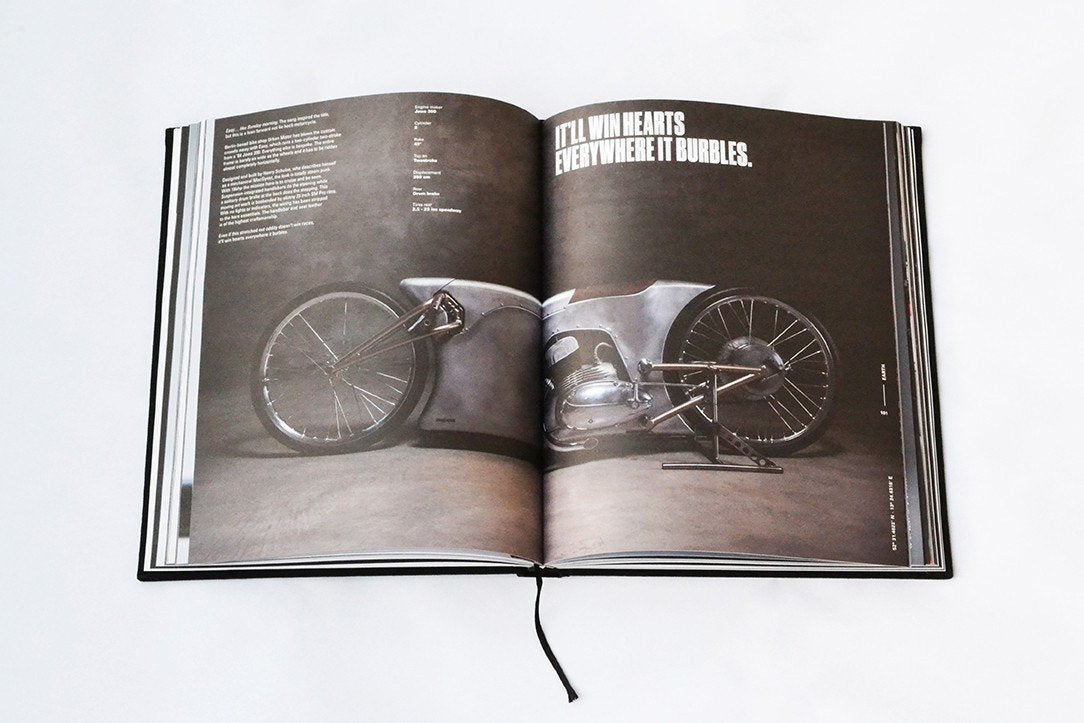
Weight reduction amplifies every one of these characters. Removing bulky bodywork, fitting a slim solo seat, and choosing lighter wheels all sharpen the response. This is why a carefully built custom often feels punchier than a heavier factory machine with a larger engine.
Modern Machines That Deliver the Feeling
Today's manufacturers understand the appeal, and they engineer it deliberately. The Jalopnik review highlights how a modern triple-cylinder machine blends strong low-end pull with a top-end rush, giving riders the punch to leap out of corners while still loving to rev. Crucially, these bikes pair that delivery with modern electronics and ride modes, so the power feels usable rather than intimidating.
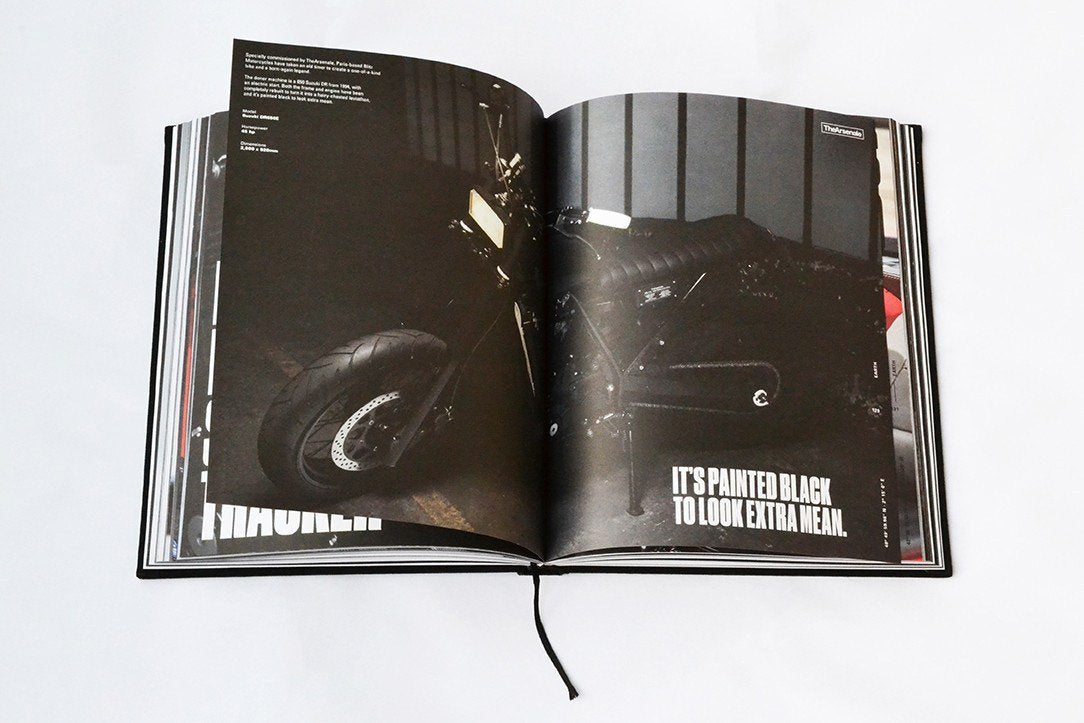
Not every punchy motorcycle chases triple-digit horsepower. Entry-level twins prove that a simple engine, a responsive chassis, and honest torque can capture the same spirit without the price or the intimidation. For collectors who want that engaging feel wrapped in genuine craftsmanship, our range of Blitz motorcycle vehicles pairs distinctive design with the responsive delivery riders seek.

Design and Character Beyond the Numbers
Punch is a feeling, and feeling is shaped by design. A guide to cafe racer culture describes these machines as lightweight builds with powerful engines, dropped handlebars, and minimalist bodywork, a combination that both looks fast and encourages a more committed riding position.
That tucked posture is not merely aesthetic. Low bars and rear-set pegs shift your weight forward, tighten your connection to the front wheel, and make every burst of acceleration feel more direct. The styling and the sensation reinforce each other, which is why a well-resolved custom feels punchier than its specification alone would suggest. When form and function align this closely, the ride becomes an expression of individuality.
Choosing a Motorcycle With Genuine Punch
When you evaluate a machine, resist the temptation to read the horsepower figure first. Instead, ask where the torque peaks and how much the bike weighs. A strong midrange on a light chassis will reward you far more on real roads than a high peak output you rarely reach.
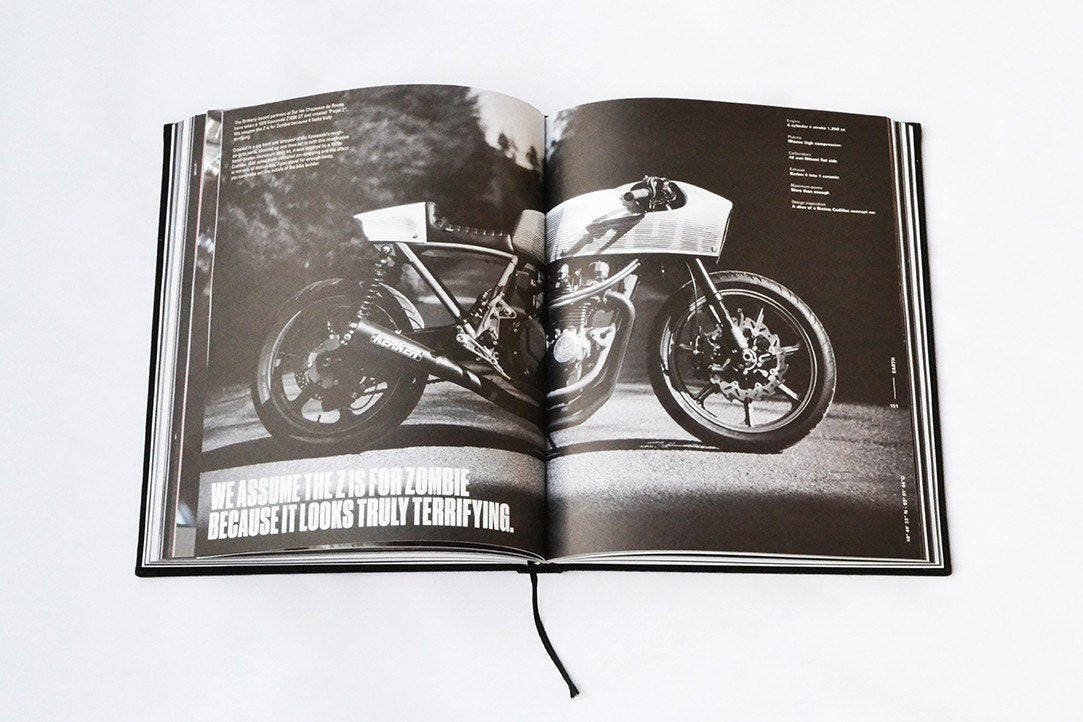
Consider provenance too. A thoughtfully executed custom, built by a respected workshop, often delivers sharper response and greater exclusivity than a mass-produced alternative. Our The Arsénale x Blitz motorcycle illustrates how bespoke engineering and curated design can concentrate that punchy character into a single, collectible machine.
Conclusion
The lasting appeal of motorcycles with genuine punch lies not in headline horsepower but in how the power arrives. As the modern examples show, even a machine producing 119 claimed horsepower is admired most for its usable midrange, proof that responsiveness beats raw numbers. When you shop, prioritise torque delivery, weight, and build quality over a single spec, and you will find a bike that thrills on every ride. As a marketplace dedicated to the future of mobility, we curate machines where engineering and design meet exactly this standard, so you gain access to rare, characterful builds before they reach a wider audience. To begin, explore our curated motorcycles collection and find the machine that matches your riding.
Frequently Asked Questions
What does "punch" mean when describing a motorcycle?
It refers to strong, immediate acceleration, usually from the engine's midrange rather than its peak output. A light bike with a torquey engine often feels punchier than a heavier machine with more horsepower.
Do you need a large engine for a punchy ride?
No. A modest engine paired with a light chassis and responsive throttle can feel very quick. Entry-level twins frequently capture the sensation without high displacement or an intimidating price.
Where can you find custom motorcycles built for this feeling?
Specialist workshops and curated marketplaces are ideal sources. Our Blitz motorcycle vehicles and bespoke collaborations focus on distinctive design paired with the responsive power delivery that defines a punchy machine.