BERLIN WELCOMES INNOVATIVE ELECTRIC HYDROFOIL FERRY P-12 TO ITS WATERWAYS

Berlin has taken a decisive step toward sustainable urban transport with the arrival of the Candela P-12 electric hydrofoil ferry on the Spree River. The Swedish-built vessel connects the East Side Gallery near Ostbahnhof with the cultural hub Funkhaus in Oberschoneweide in just ten minutes, faster than the S-Bahn and the congestion-prone tram line 21 that serves the same corridor. Capable of 25 knots in service and 30 knots at maximum output, the P-12 is the fastest electric ship in the world and the first electric hydrofoil ferry to operate in Germany.
How Hydrofoil Technology Changes Electric Ferry Economics
The P-12's performance advantage comes directly from its hull design. Computer-stabilised underwater wings lift the catamaran hull clear of the water at cruising speed, cutting hydrodynamic drag and reducing energy consumption by 80% compared to a conventional displacement ferry. That efficiency gain transforms the economics of electric propulsion at scale: the P-12 can recharge its battery from a standard DC car charger in just one hour, and operating costs run 90% lower than those of an equivalent diesel vessel, thanks to the maintenance-free electric C-POD motors and the absence of fuel.

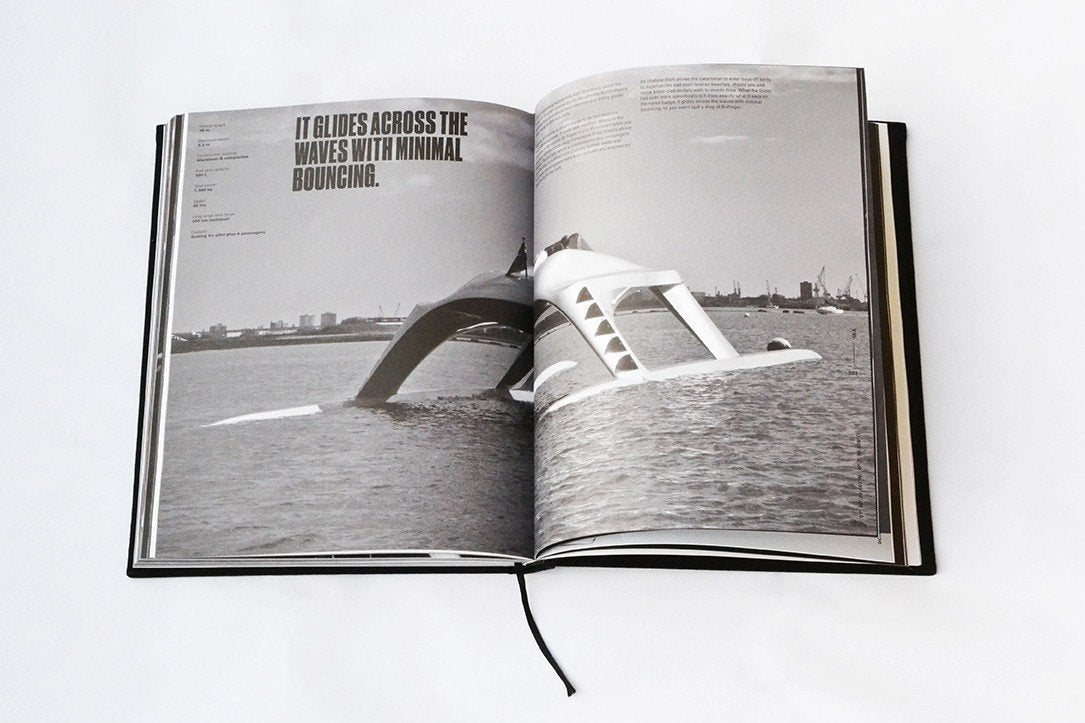
The hydrofoil hull also produces minimal wake, which is a critical consideration on urban waterways with restricted speed limits. Berlin authorities granted the P-12 special permission to navigate the Spree without the typical speed restrictions that slow conventional vessels, because its wake profile is so benign. An adjustable bow ramp allows the ferry to dock cleanly at varying water levels without dedicated fixed infrastructure.
A City Rediscovering Its Waterways
The P-12 was purchased by Reederei Riedel, Berlin's established river operator, whose owner Uwe Fabich has positioned the investment as a statement about what clean energy solutions can do for urban transit. The route will initially run hourly, with the potential to expand to bi-directional service as demand builds. As Candela's official announcement notes, Berlin's waterways have been significantly underutilised relative to their transport potential, and the P-12 is intended to change that.

The carbon footprint reduction goes beyond zero tailpipe emissions: Designboom noted that the combination of low energy demand, short charge times and lower operational costs makes the P-12 a commercially viable alternative, not merely a demonstration project. The vessel has a range of 40 nautical miles at 25 knots, more than enough for urban shuttle routes, and the absence of vibration and noise creates a passenger experience that is markedly different from a conventional ferry.

Photo: CANDELA
Electric Water Transport Worth Exploring
The Candela P-12 sits at the leading edge of a shift in how cities think about river and harbour transport. For those interested in electric watercraft at the personal scale, the Q2S electric hydrofoil boat and the Beau Lake Electric Runabout represent the same philosophy applied to private watercraft. The full TheArsenale boats collection and water sport selection bring together the most compelling electric and performance watercraft available today.