BOEING'S STARLINER MARKS A NEW DAWN IN COMMERCIAL SPACEFLIGHT

The Boeing Starliner Crew Flight Test launched on June 5, 2024, carrying NASA astronauts Butch Wilmore and Suni Williams to the International Space Station aboard an Atlas V rocket from Cape Canaveral Space Force Station. The mission was intended to last eight days, certifying Starliner as a second American crewed transport vehicle alongside SpaceX Dragon. What followed was one of the most closely watched and complicated episodes in NASA's Commercial Crew Program history.
Boeing Starliner and the Commercial Crew Programme
Boeing's CST-100 Starliner is one of two spacecraft selected by NASA under the Commercial Crew Transportation Capability contract, alongside SpaceX's Crew Dragon. The programme's goal is to provide the United States with independent access to the ISS using privately operated vehicles, reducing dependence on Russian Soyuz capsules. Starliner's development has been longer and more troubled than Dragon's: an uncrewed test in 2019 encountered computer clock errors that prevented ISS docking, and a second uncrewed flight in May 2022 finally succeeded before the 2024 crewed certification attempt. The Wikipedia record of the Boeing Crew Flight Test provides a full technical timeline of the programme.
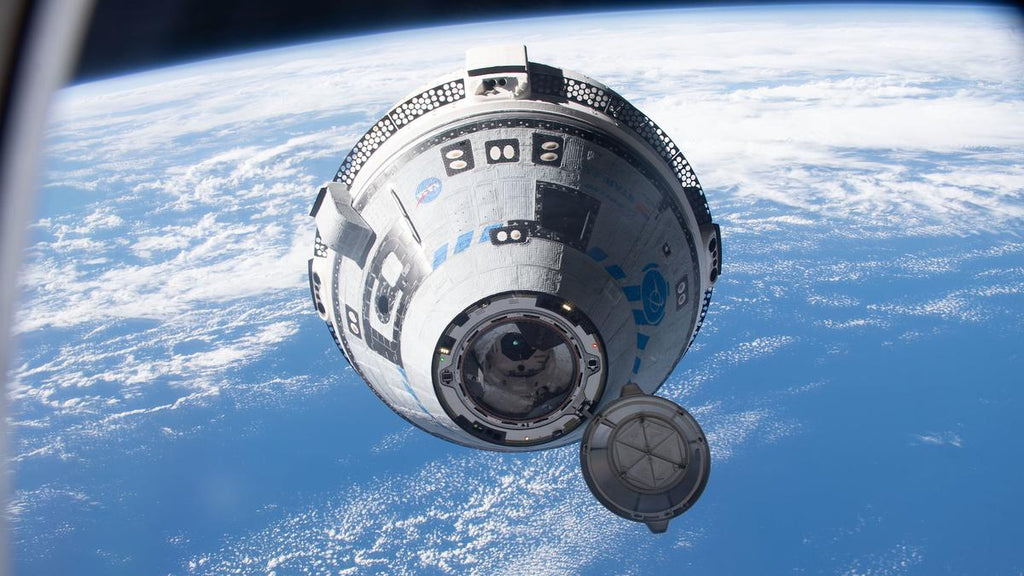
The June 2024 Launch: What Went Right and What Went Wrong
The launch itself was successful. Starliner docked with the ISS and Wilmore and Williams came aboard, completing the first crewed flight of the spacecraft. However, approaching ISS, thruster problems emerged: five of the capsule's 28 reaction control thrusters failed or underperformed. NASA and Boeing also identified helium leaks in the propulsion system. What was planned as a 14-day maximum mission quickly became an open-ended engineering investigation. Over more than two months of analysis, NASA concluded that the risk of returning Wilmore and Williams aboard Starliner was too high. The NASA announcement that Starliner would return without its crew represented a significant moment for the Commercial Crew Programme, and for Boeing's spaceflight credibility.
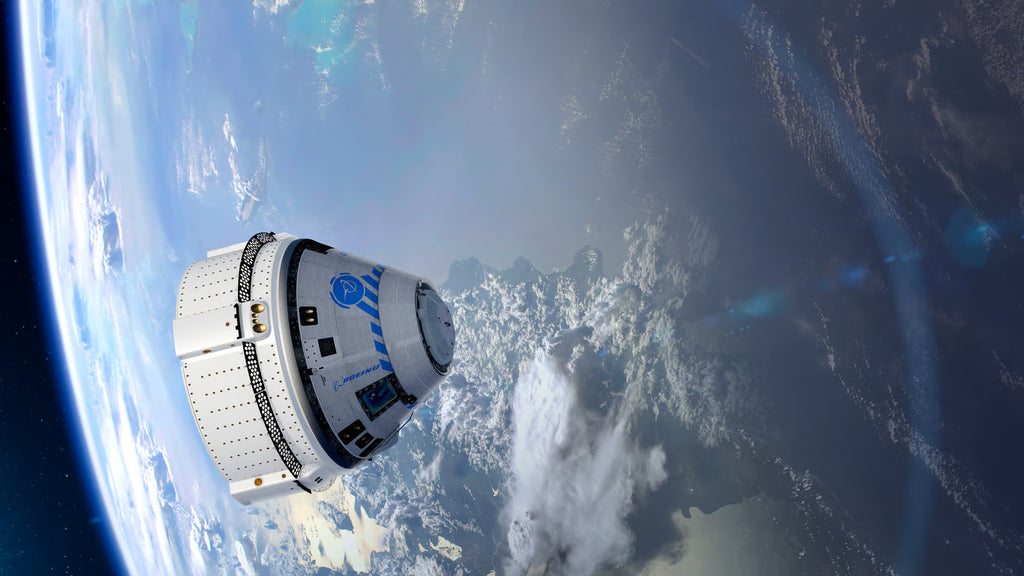
The Astronauts' Extended Stay and Return
Starliner returned to Earth autonomously on September 6, 2024, without crew. Wilmore and Williams remained aboard ISS as part of the Expedition 71/72 crew for a total of 93 days, far beyond the original 8-day mission plan. They were ultimately brought home aboard a SpaceX Crew Dragon in February 2025, alongside crew members from the Crew-9 mission. The episode raised fundamental questions about Starliner's certification path and Boeing's ability to compete with SpaceX in the commercial crew market, though NASA maintained throughout that the spacecraft performed its primary function of safely delivering the astronauts to ISS.

What the Starliner Mission Means for Commercial Spaceflight
The Starliner episode illustrates both the ambition and the complexity of the current commercial spaceflight era. NASA's insistence on redundant crew transport systems is not theoretical caution: it is essential operational resilience, as the 2024 mission demonstrated. The fact that SpaceX Dragon was available to recover the crew is exactly why the Commercial Crew Programme exists in the form it does. Boeing's Starliner will likely continue its development, but its certification timeline has been significantly extended. For the broader industry, the episode reinforces that space access remains genuinely difficult and that the companies succeeding are those who have invested heavily in testing at every stage. The ABC News timeline of the Starliner mission documents every significant moment from launch through return.
The intersection of engineering ambition and extreme performance is at the heart of everything TheArsenale celebrates. From the skies to the stars, explore aviation and experimental technology through the TheArsenale Air collection, including the Centauri Valkyrie private aircraft and the hybrid-electric Ascendance Atea. For the boldest visions in personal aviation, the full aircraft collection covers everything from light sport planes to autonomous passenger drones.
Photo: Boeing / NASA