Boom Technology Wants to Make Supersonic Travel Affordable
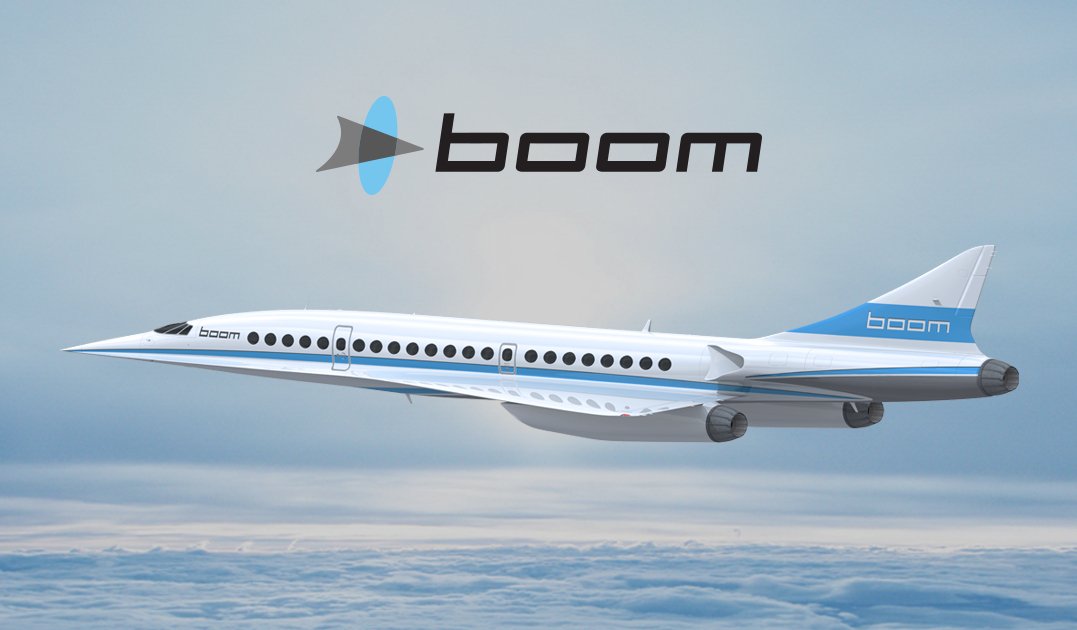
Boom Technology's supersonic jet, now known as the Overture, is the most credible attempt since Concorde to return commercial passengers to supersonic travel. From a $3 million funding round in 2017 to a 130-aircraft order book including United Airlines and a Superfactory under construction in North Carolina, Boom has moved its vision from concept to programme reality.
From Concorde to Overture: Why Supersonic Travel Disappeared and How It Returns
Concorde retired in 2003, leaving a gap in commercial aviation that no aircraft manufacturer had been willing to fill. The challenges were real: sonic booms restricted overland routes, fuel economics made tickets prohibitively expensive for most passengers, and the technology required simply did not exist in a cost-effective form. Boom Technology was founded on the belief that advances in carbon fibre construction, turbofan engine efficiency, and aerodynamic modelling had changed that calculation. Their case rests on the XB-1, a one-third-scale demonstrator that made its first flight in March 2024 and broke the sound barrier in January 2025, three times in a single flight, without generating a sonic boom audible at ground level.

The Overture: Specifications and Passenger Experience
The production aircraft, the Overture, is designed to carry approximately 50 passengers at speeds of up to Mach 1.7, cutting transatlantic routes like New York to London to under four hours. The airframe uses a lightweight carbon fibre body paired with high-efficiency turbofan engines. Ticket pricing in the $2,000 to $4,000 range positions Overture as a business-class alternative rather than a first-class luxury product, making supersonic speed accessible to a broader category of traveller than Concorde ever served.
Boomless Cruise is a key technical achievement. By flying at Mach 1.3 at altitude, Overture can exceed the speed of sound without the shockwave reaching the ground at audible levels. This opens overland routes that were completely unavailable to Concorde, dramatically expanding the network of viable supersonic city pairs.

Airlines and Timeline
The Overture order book stands at 130 firm orders and pre-orders from United Airlines, American Airlines, and Japan Airlines, representing the first five years of planned production. The Overture Superfactory in Greensboro, North Carolina, opened in 2024 and is scaled to produce up to 66 aircraft per year. Boom's target for the first commercial Overture flights is 2029.

The Future of Fast Travel
Boom sits at the leading edge of a broader transformation in how people move at high speed. TheArsenale tracks the aircraft, eVTOL, and personal aviation concepts that define that future. For those looking at personal aircraft as a complement to commercial supersonic travel, the Icon A5 Amphibious Light Sport Aircraft represents the other end of the spectrum: a private aircraft for those who want to pilot themselves. The Valkyrie by Centauri Aircraft is a next-generation private jet concept built for performance travel. For urban air mobility, the Ehang AAV Autonomous Passenger Drone is already in commercial use. Browse the full TheArsenale mobility collection for what is available now.

Sources
For the full story on the Overture programme including airline agreements and technical updates, visit Boom Supersonic's airline partners page. The Wikipedia entry on the Boom Overture provides a comprehensive programme history including the XB-1 demonstrator test flights and certification milestones.