HERMEUS UNLEASHES ECONOMIC HYPERSONIC REVOLUTION WITH THE QUARTERHORSE MK 1

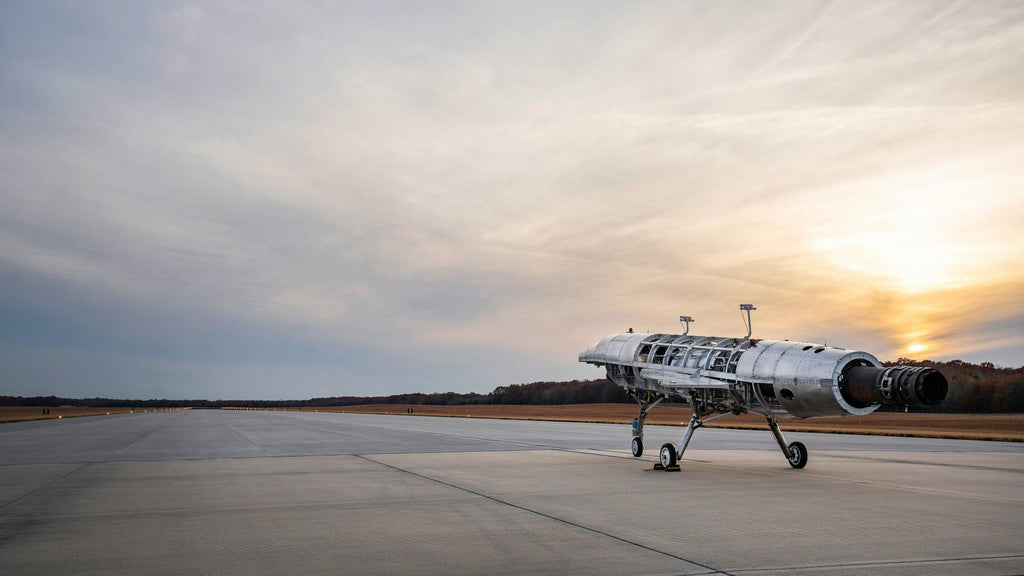
Hermeus Quarterhorse Mk 1, an uncrewed remotely piloted aircraft powered by a GE J85 turbojet engine, was unveiled by Atlanta-based aerospace company Hermeus in March 2024 after being designed, built, and integrated in just seven months. The aircraft represents the first physical step in a deliberate programme to develop cost-effective, reusable hypersonic vehicles, setting a production tempo of one aircraft per year that is unlike anything else in the sector.
What Is the Hermeus Quarterhorse Programme?
Hermeus is an aerospace and defence technology company with a specific mandate: make hypersonic flight economically viable. Where most hypersonic programmes have been single-shot government projects costing billions, Hermeus is taking an iterative, commercial-pace approach. Each Quarterhorse build is more capable than the last, sharing data and components across variants to compress development timelines. The official Hermeus Quarterhorse page describes the programme as a staircase to Mach 5 and beyond, with each step reducing risk for the next.
Quarterhorse Mk 1: Design, Specs, and First Flight
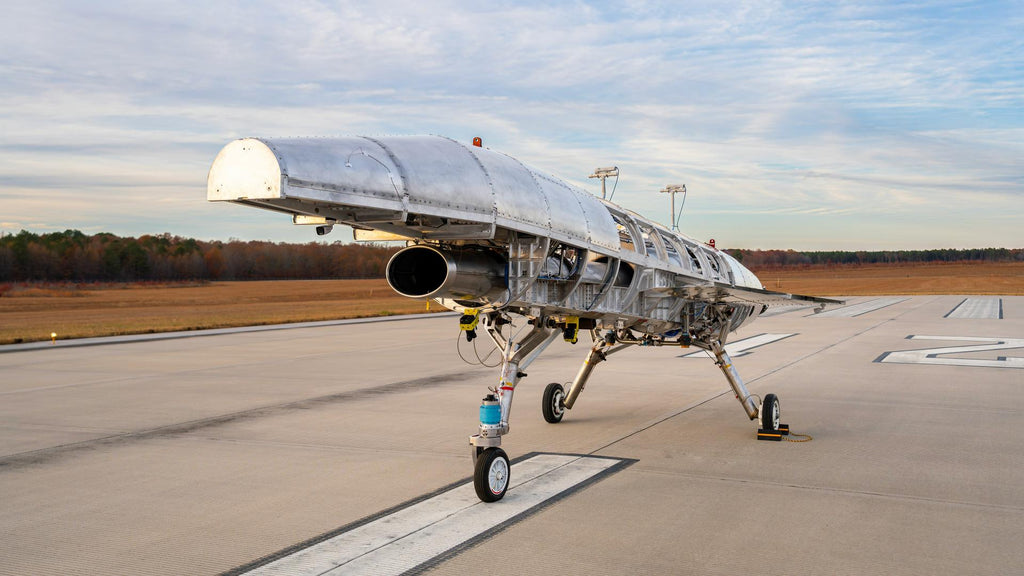
The Mk 1 is powered by a General Electric J85 turbojet engine and is configured to demonstrate high-speed takeoff and landing, the aerodynamic regime most challenging for a vehicle designed to cruise at hypersonic speeds but still operate from conventional runways. The airframe was completed in seven months, a pace that reflects Hermeus's commitment to moving from design to test without multi-year manufacturing delays. The aircraft achieved its first flight on May 21, 2025, at Edwards Air Force Base, California, where it validated aerodynamics, stability, and command-and-control systems on the dry lakebed runways. The Breaking Defense report on the Mk 1 rollout noted the significance of achieving this pace for a privately funded programme.
What the Mk 1 Tests Were Designed to Prove
High-speed takeoff and landing is not a solved problem for hypersonic aircraft. Vehicles designed to fly at Mach 5 and above are shaped by aerodynamics at extreme speeds, which can make low-speed handling difficult. The Mk 1 was specifically built to explore this challenge, gathering data on:
- Aerodynamic stability at speeds and angles of attack typical of a hypersonic vehicle in climb and descent.
- Ground station and command-and-control integration for remotely piloted operations.
- Subsystem verification across avionics, fuel systems, and propulsion before higher-speed variants are flown.
Data from the Mk 1 campaign is being directly applied to the Quarterhorse Mk 2, currently in production and expected to be roughly the size of an F-16, powered by a Pratt and Whitney F100 engine capable of achieving supersonic speeds.
The Road to Economic Hypersonic Travel
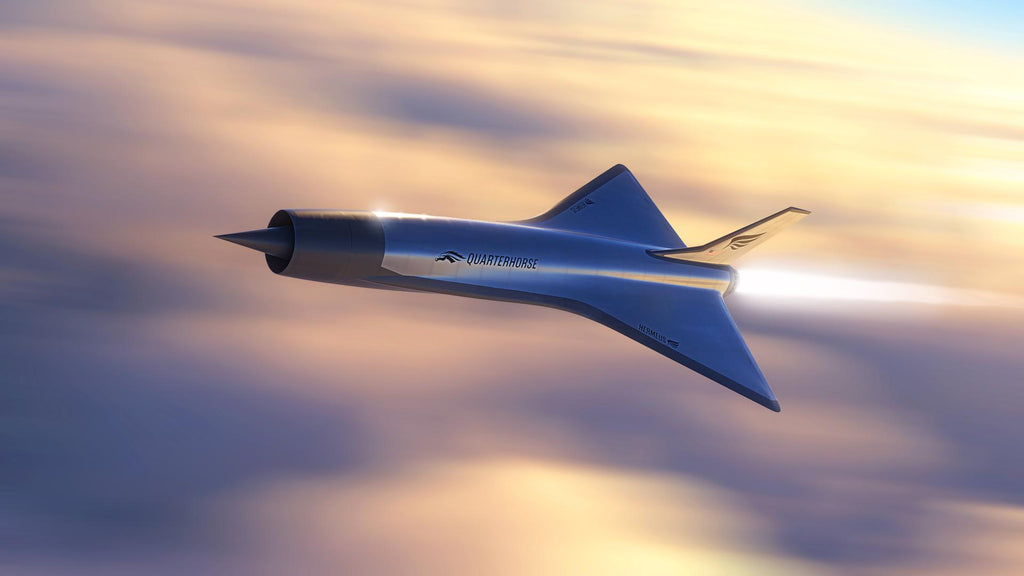
Hermeus's long-term goal is a crewed hypersonic airliner capable of cutting transatlantic flight times from eight hours to roughly two. The Quarterhorse series serves as the iterative test bed for the propulsion, thermal protection, and control technologies that crewed hypersonic vehicles will need. By establishing a cadence of one aircraft per year, Hermeus is building institutional knowledge and supply chain capability at a rate that traditional government-only programmes cannot match. The The Aviationist coverage of the Mk 1 first flight provides a detailed breakdown of what the milestone means for the broader hypersonic industry.
Hermeus is pushing the limits of what aircraft can do. For those fascinated by the future of aviation, browse the TheArsenale Airplanes collection and explore personal aircraft that exist today, including the Ascendance Atea hybrid-electric aircraft and the Centauri Valkyrie private plane. The Air collection also features eVTOL vehicles and flying cars at the frontier of personal mobility.
Photo: Hermeus