Luxury Brand Production: From Concept to Market, Practical Guide

What makes a luxury object feel irreplaceable rather than simply expensive? The answer begins long before a product reaches a showroom. For a mobility perspective, our luxury car brands resource shows how design, engineering, rarity, and identity work together.
In 2026, production decisions are also becoming strategic decisions. Deloitte surveyed 420 senior executives across ten countries for its 2026 luxury report, which identifies operational discipline, innovation, craftsmanship, and customer experience as central priorities. This means luxury brands must coordinate creative ambition with precise technical development, traceable sourcing, quality control, and disciplined distribution.
What does luxury brand production really include?
Luxury production is more than manufacturing a premium object. It is the complete system that transforms a brand promise into something tangible, desirable, and consistent. The process usually includes concept development, research, design, material selection, technical specifications, prototyping, fittings, manufacturing, finishing, inspection, packaging, distribution, and post-purchase care.
Each stage influences the others. A creative idea may require a rare material, which may create a longer lead time. A complex construction method may increase production costs or limit scale. A limited quantity may protect exclusivity, but it can also raise the importance of accurate forecasting and inventory planning.
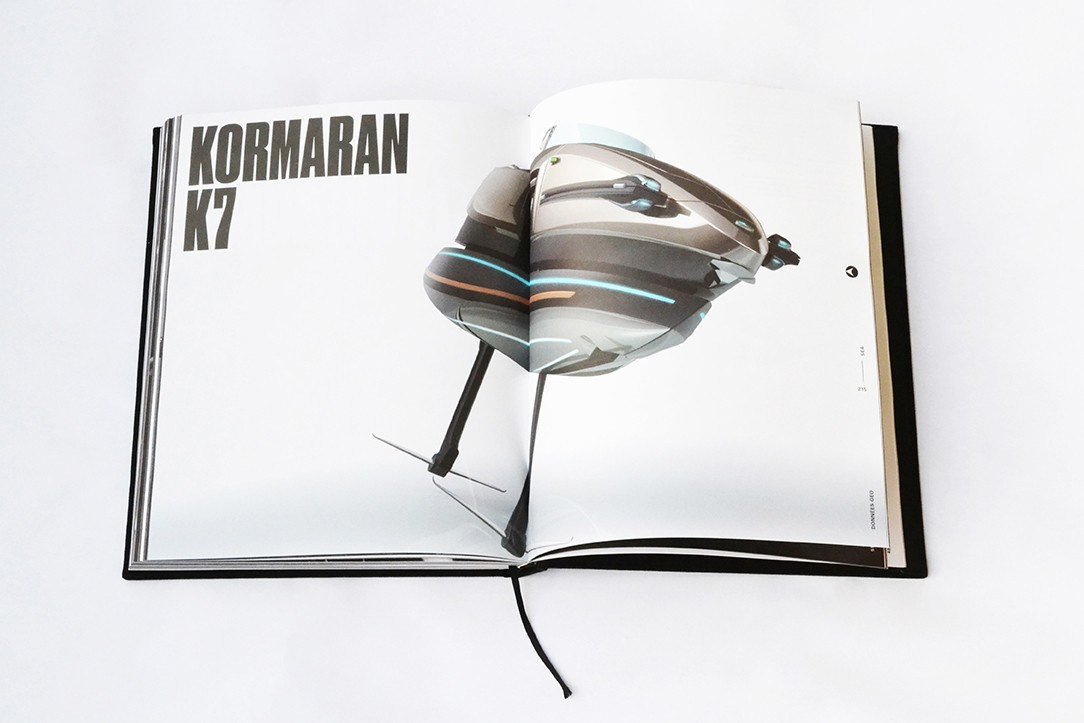
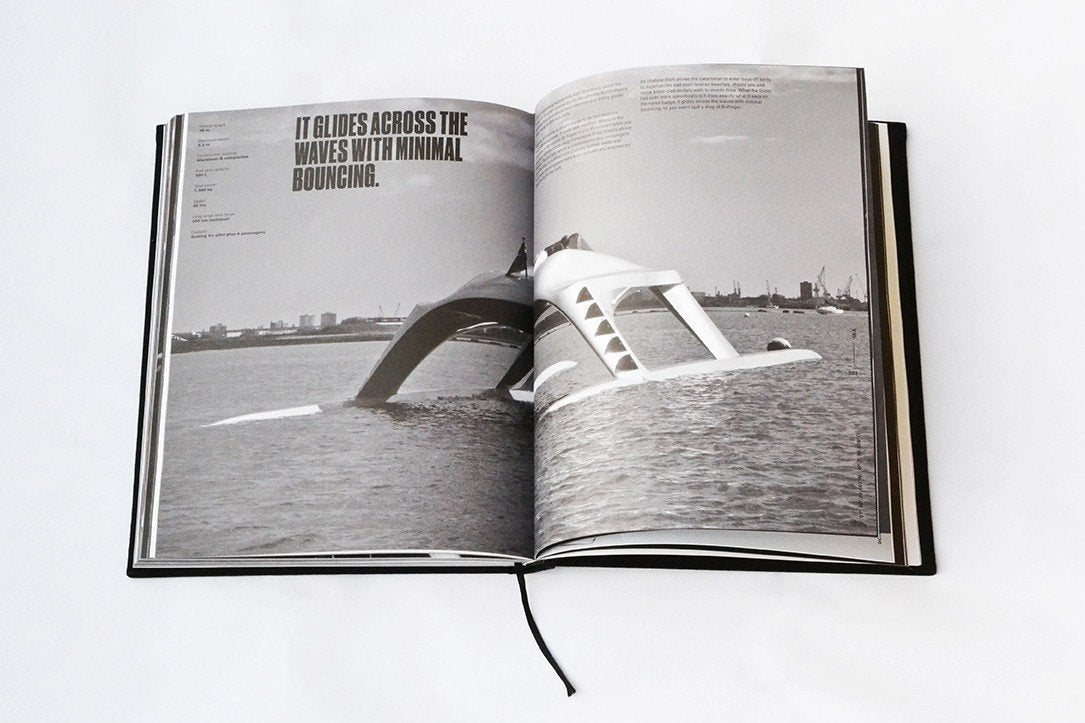
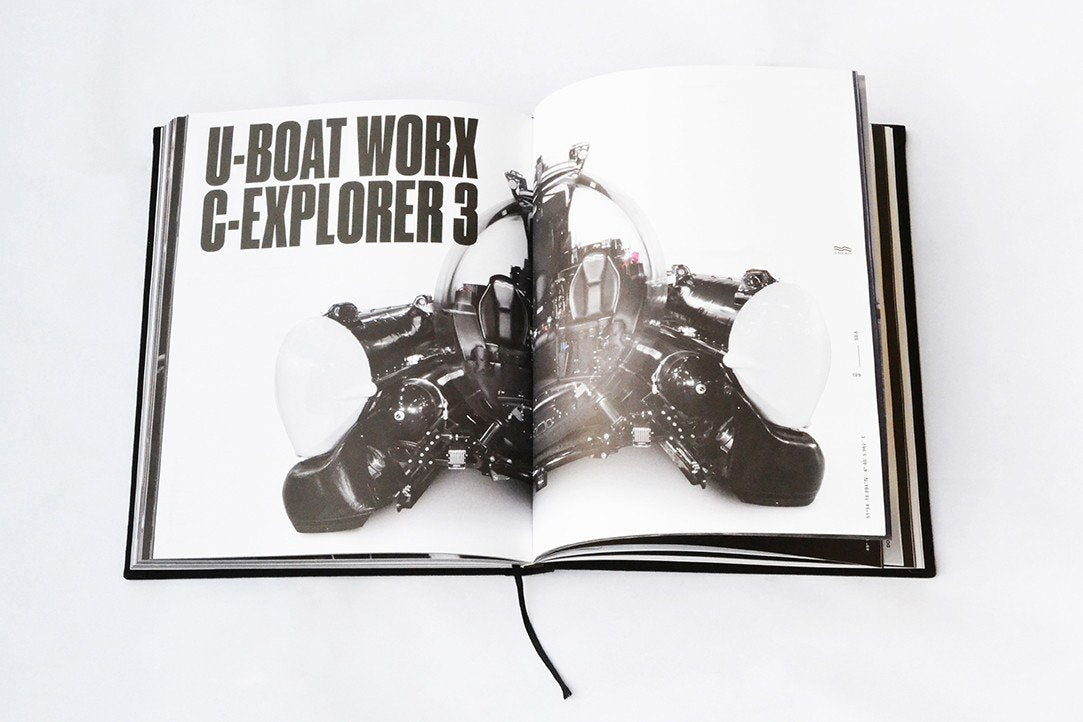
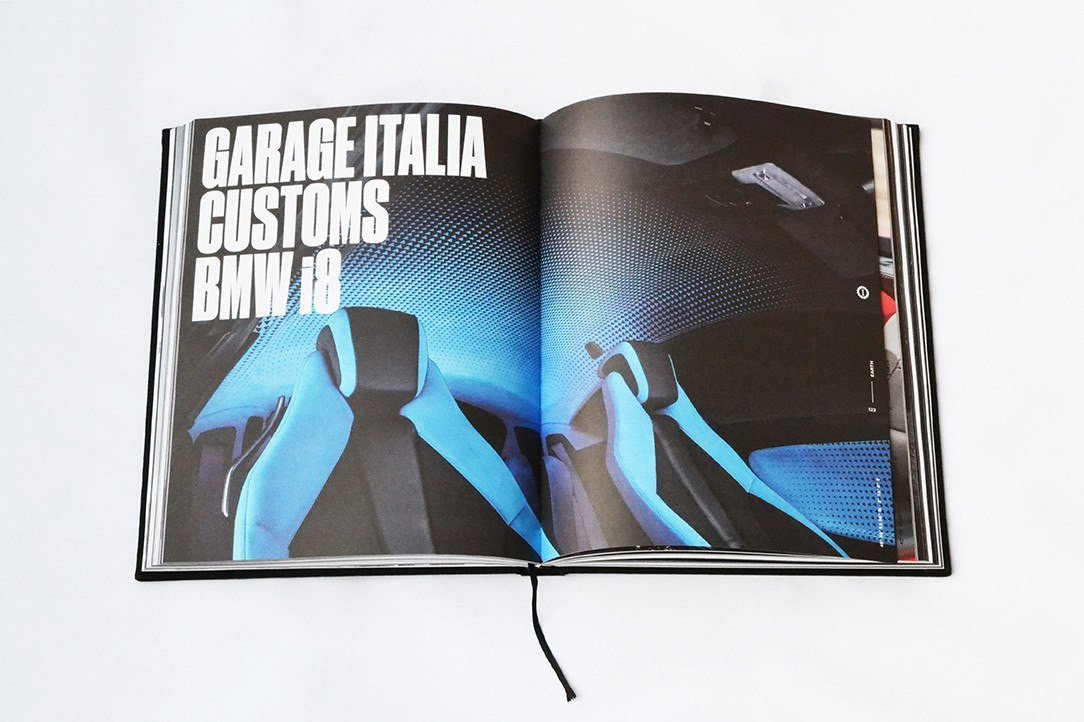
The production model also depends on the category. Apparel requires pattern development, grading, fittings, and fabric testing. Mobility products require engineering validation, component integration, performance testing, and regulatory consideration. Accessories, machines, and experiential products follow different technical paths, but they share the same requirement: every detail must reinforce the brand’s identity.
If you are researching mobility categories, our luxury car brand directory can help you compare design language, engineering character, and product positioning without reducing luxury to price alone.
1. Begin with a precise creative and technical brief
A strong production process begins with a clear answer to one question: what must the finished object communicate? The brief should define the intended customer, emotional territory, functional requirements, visual codes, quality standards, target price, production quantity, and expected launch window.
Creative direction establishes the product’s meaning. Technical development makes that meaning repeatable. For example, a design brief may call for a lightweight structure, sculptural proportions, tactile materials, and a quiet visual identity. The technical team then needs to translate those ambitions into measurable specifications, tolerances, construction details, and approved reference samples.
This translation is where many production problems begin. An incomplete specification leaves suppliers to interpret the design. That can create inconsistent materials, incorrect dimensions, unnecessary sample rounds, and avoidable delays. A detailed technical pack should therefore include drawings, measurements, material references, component details, finishes, color standards, labeling requirements, packaging expectations, and inspection criteria.
The 2026 State of Fashion report identifies expertise and quality as key foundations of luxury value. A precise brief protects both by ensuring that creative intent survives contact with production.
2. Treat materials and craftsmanship as strategic choices
Materials are not decorative additions to a luxury product. They influence performance, perception, durability, cost, environmental impact, and production timing. A fabric, leather, metal, composite, wood, or technical component should be selected for how it supports the entire product experience.
Material sourcing begins with research and testing. Teams may request swatches, technical data, samples, finish options, and origin information. They should evaluate color consistency, strength, weight, surface behavior, resistance, availability, and compatibility with the intended construction method.
Craftsmanship then determines how the material is handled. Hand finishing can provide subtle variation and exceptional tactile quality. Precision machinery can deliver repeatability, clean tolerances, and efficient production. The most appropriate process is not always the most traditional one. Luxury is better protected when the method serves the design, rather than when the design is forced into a predetermined method.
Craft expertise also affects resilience. When specialist knowledge is concentrated in a small number of workshops, production capacity can become vulnerable. Brands must therefore document techniques, develop skilled teams, maintain supplier relationships, and create realistic production plans that respect the time required for expert work.
For a global luxury brand, craftsmanship should be visible in the result even when the production method combines manual and industrial techniques. The objective is not to make every stage look artisanal. It is to ensure that every stage contributes to precision, character, and lasting value.
3. Use sampling and fittings to test the idea in reality
A concept can appear resolved on a screen and still fail when it becomes physical. Sampling exists to expose those problems before bulk production begins. It allows teams to test proportions, materials, construction, comfort, movement, finish, and overall coherence.
Depending on the category, a project may require several sample types. An initial prototype tests the basic form. A fit sample evaluates dimensions, ergonomics, or wearability. A material sample verifies the final surface, color, weight, and behavior. A pre-production sample confirms that the approved design can be manufactured consistently with the selected materials and processes.
Fittings are especially important when the product must interact with the human body. They reveal pressure points, restricted movement, poor balance, incorrect proportions, and unexpected behavior in different positions. For machines and equipment, equivalent testing may involve ergonomics, interface access, component placement, visibility, and user interaction.
Feedback should be specific and documented. Comments such as “the sleeve feels wrong” or “the surface does not feel premium” are difficult to act on without further explanation. Stronger feedback identifies the precise issue, its location, the desired correction, and the tolerance for variation.
Sampling also protects financial performance. Correcting a pattern, component, or finish before production is usually less costly than correcting a full batch. However, excessive sample rounds often indicate that the original brief, technical pack, or approval process was incomplete. The goal is not to eliminate iteration, but to make each iteration purposeful.
4. Build quality control into every production stage
Imagine discovering a material defect only after the finished collection has been packed. At that point, the cost includes rework, delayed delivery, lost sales opportunities, and damage to customer trust. Quality control is therefore most effective when it begins before manufacturing and continues through final distribution.
Pre-production checks confirm that the approved materials, components, patterns, specifications, and reference samples are correct. In-line inspections monitor construction, assembly, stitching, surface treatment, alignment, and dimensional accuracy while production is still underway. Final inspections examine the completed object, packaging, labeling, functionality, and presentation.
Quality control should use objective reference points. These may include measurement tolerances, color standards, approved samples, material specifications, component lists, construction diagrams, and defined acceptance criteria. The more precise the reference, the easier it becomes to distinguish an intentional variation from a defect.
A longitudinal study of 90 major fashion brands examined sustainability disclosures between 2017 and 2023 and emphasized the importance of relevant, accurate, and externally audited information. Its findings, published in the Journal of Cleaner Production, underline a wider principle: credibility depends on evidence, not only on claims.
For luxury production, this principle applies beyond sustainability. A brand should be able to explain how it defines quality, how it checks suppliers, how it handles deviations, and how it prevents recurring defects. Documentation supports consistency across teams, locations, and production cycles.
5. Make sustainability and supply-chain transparency operational
Can a product be considered luxurious if its quality is difficult to verify and its origin is impossible to explain? Increasingly, customers, regulators, and business partners expect brands to understand their supply chains in greater detail.
Responsible production begins with practical decisions. Brands can map suppliers, identify material origins, assess manufacturing conditions, reduce unnecessary development, improve forecasting, select lower-impact materials, and design products for durability, repair, reuse, or resale. These decisions should be integrated into product development rather than added during marketing.
Traceability is not always simple. A finished object may contain materials from multiple regions, components from several suppliers, and specialist processes performed by different workshops. A credible system distinguishes between basic supplier declarations, country-level mapping, and deeper evidence across multiple supply-chain tiers.
The 2026 USFIA benchmarking study reports that managing forced-labor risks rose from the tenth concern in 2025 to the sixth concern in 2026 among industry priorities. Its findings show why social compliance, trade expertise, and supply-chain knowledge are increasingly connected to production planning.
Transparency should remain proportionate and useful. Publishing broad promises without measurable information can create skepticism. A stronger approach explains what is known, what is being improved, which standards apply, and where limitations remain. This gives customers a more credible understanding of the product’s journey.
6. Match production scale with desirability and timing
A luxury brand does not need to choose between unlimited scale and entirely handmade production. It needs a production model that matches demand, capacity, product complexity, and brand positioning.
Small-batch production can support experimentation, limited editions, and close quality oversight. Larger production runs can improve efficiency and availability, but they require stronger planning, documentation, supplier coordination, and inventory discipline. Made-to-order models can reduce excess stock, although they may create longer waiting periods and more complex customer communication.
Timing must be planned backwards from the intended launch. The critical path may include design approval, material reservations, supplier confirmation, tooling, sampling, fittings, production, quality checks, shipping, customs, retail preparation, and campaign creation. A delay in one stage can affect every stage that follows.
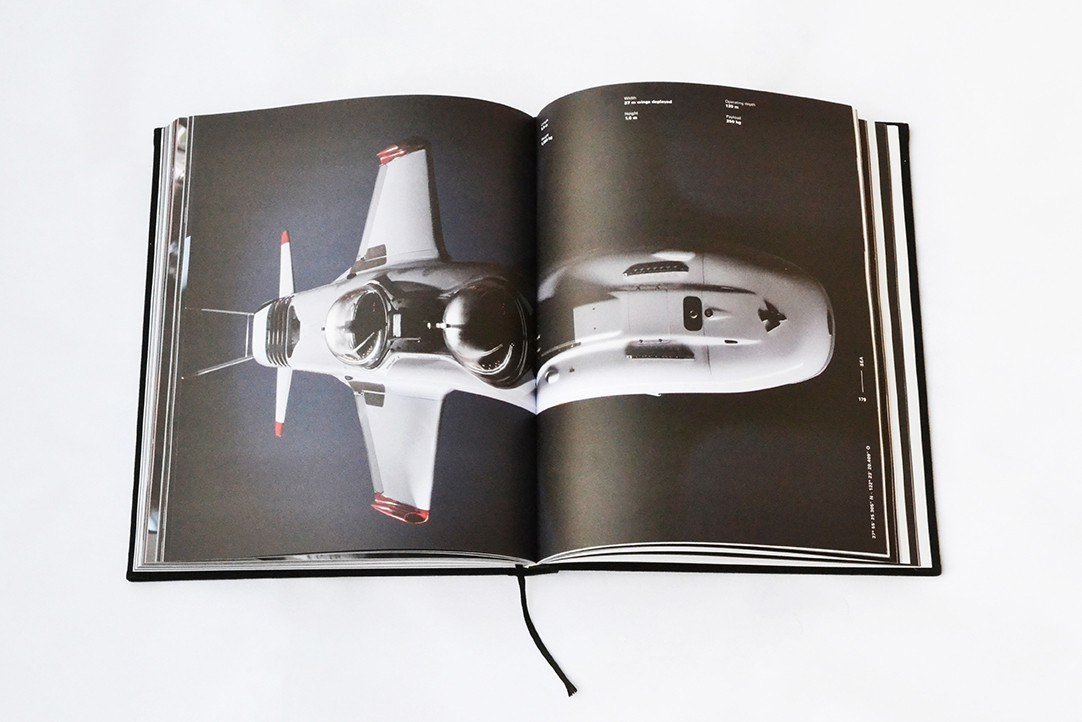
Distribution is part of the production experience. Packaging, delivery condition, installation, handover, retail presentation, and after-sales support can all influence how customers interpret the product. In luxury mobility, these elements may also include private viewings, acquisition advice, customization, and tailored customer communication.
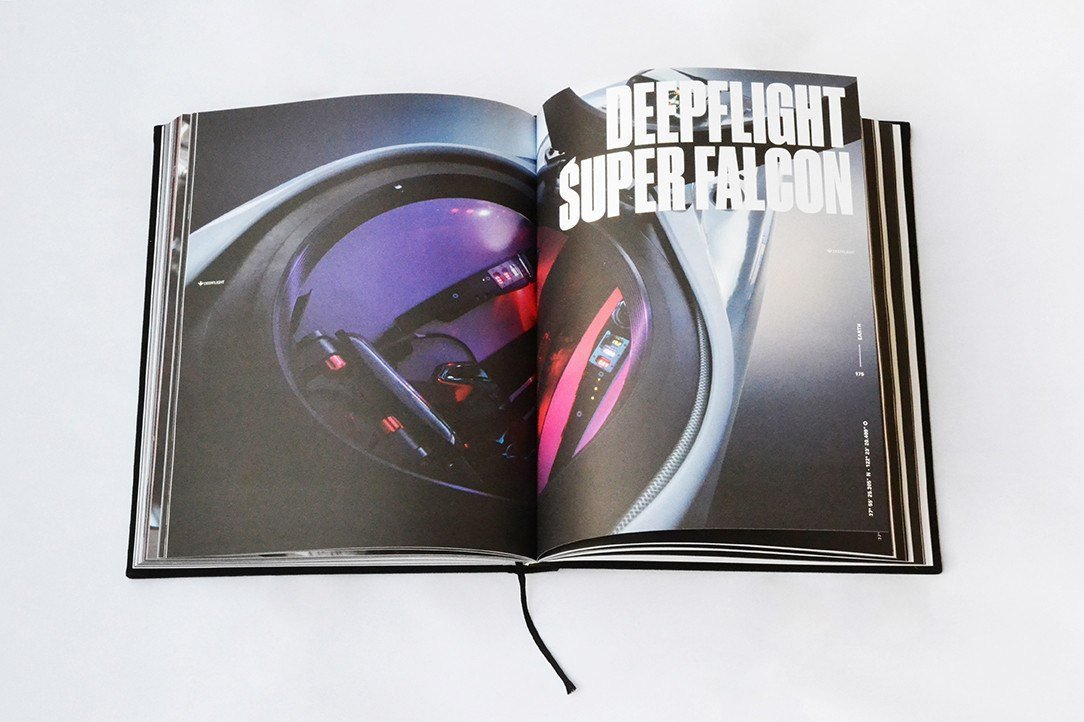
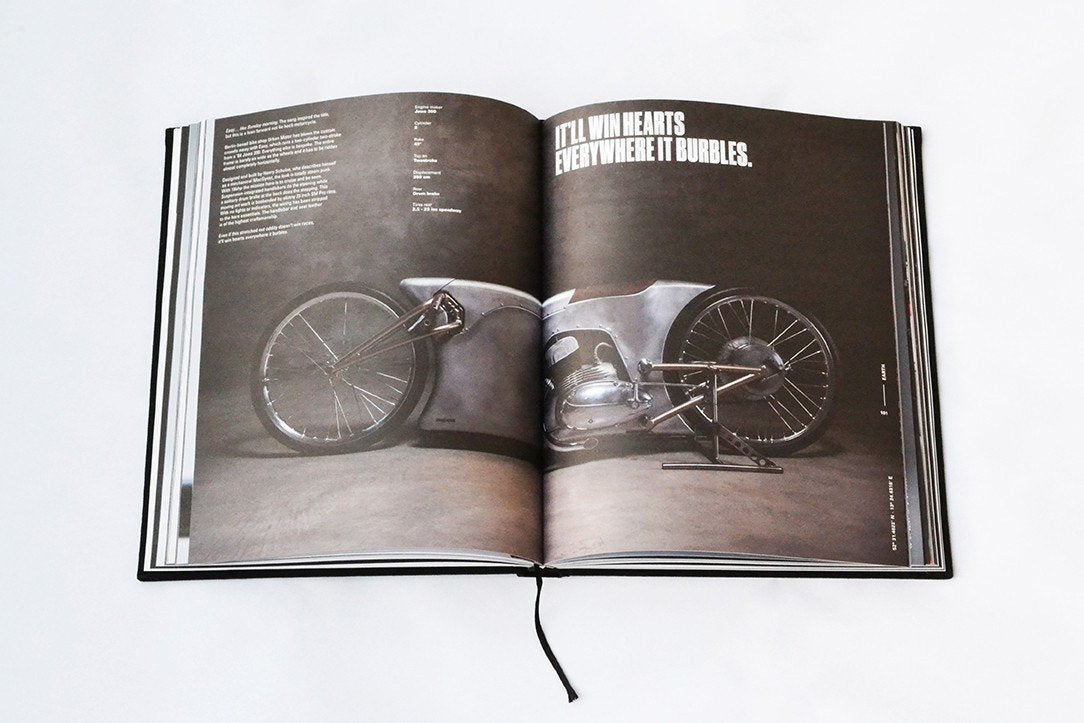
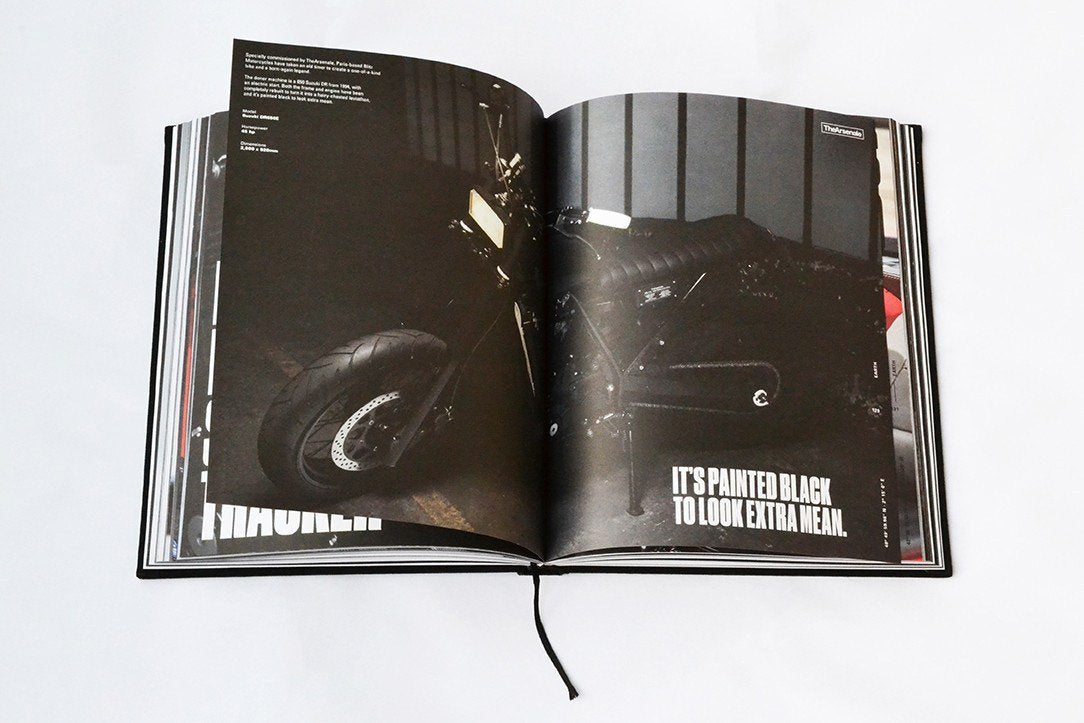
Our The Arsenale edition vehicles illustrate how curated presentation can become part of the value of an extraordinary mobility object. The product is not separated from its context. Discovery, selection, storytelling, and access all shape the experience around it.
7. Extend production into creative storytelling
Production does not end when the object leaves the workshop. Luxury brands also produce images, films, exhibitions, editorial narratives, retail environments, and customer experiences. These outputs explain why the product matters and help audiences understand the detail behind it.
Creative production should be connected to the physical product. A campaign can show the material, movement, sound, engineering, or human skill that makes the object distinctive. It can also create a sense of place and belonging without relying on excessive explanation.
This is particularly important for complex products. Customers may not immediately understand an advanced mobility object, a new material, or an unusual construction method. Clear visual storytelling can make innovation accessible while preserving mystery and desirability.
For mobility and luxury brands, we combine strategic thinking with creative development through our brand strategy agency services. Strategy, creative direction, brand activation, and production can work together to connect the object, the audience, and the wider brand world.
The strongest production systems therefore create two forms of consistency. The first is physical consistency, meaning the product meets the required standards. The second is narrative consistency, meaning every image, experience, and customer interaction reinforces the same identity.
Luxury production is a system of controlled meaning
The most valuable lesson in luxury brand production is that desirability is built through connected decisions. Creative direction sets the intention, materials give it substance, craftsmanship gives it character, sampling makes it real, quality control protects it, and responsible supply-chain management gives it credibility. When these stages are planned together, production becomes more than an operational process. It becomes a disciplined way to preserve identity, create trust, and deliver lasting value.
Take action with TheArsenale
When a luxury mobility project requires more than a product launch, the production process must connect brand strategy, creative direction, experience design, and execution. The right partner can help you turn a complex idea into a coherent expression across physical objects, digital content, activations, and customer touchpoints.

Through The Arsenale Studio, our team supports mobility and luxury brands with strategy, creative direction, brand activation, production, and high-end visual storytelling. The approach is designed for projects that need a strong point of view, careful coordination, and a clear connection between innovation and desirability.
Frequently Asked Questions
What is included in luxury brand production?
Luxury brand production includes concept development, design, material sourcing, technical development, sampling, manufacturing, finishing, quality control, distribution, and communication. The exact stages vary by category, but each one should protect the brand’s identity and quality standards.
Why are sampling and fittings important?
Sampling and fittings test whether a creative concept works in physical form. They help teams correct proportions, materials, construction, comfort, and functionality before committing to larger production quantities.
How can a luxury brand improve production sustainability?
A brand can improve sustainability by mapping suppliers, selecting more responsible materials, reducing unnecessary development, improving demand planning, designing for durability, and documenting measurable progress. Transparency is stronger when it is supported by evidence and clear limitations.
Should luxury products be made in small batches?
Small-batch production can support exclusivity, experimentation, and close quality oversight. Larger quantities may improve efficiency, but they require stronger technical documentation, supplier coordination, forecasting, and inspection systems.
Can TheArsenale help with luxury brand production projects?
Yes. TheArsenale supports mobility and luxury brands with strategy, creative direction, brand activation, production, and visual storytelling. These services can help connect a product’s technical qualities with a coherent brand experience.