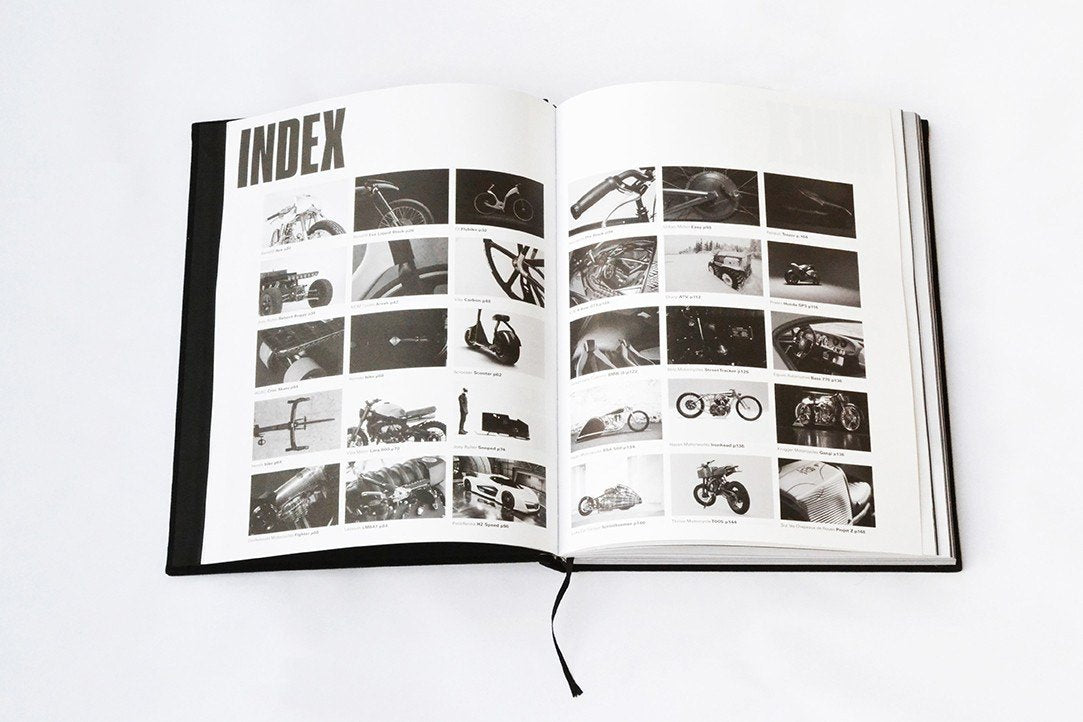
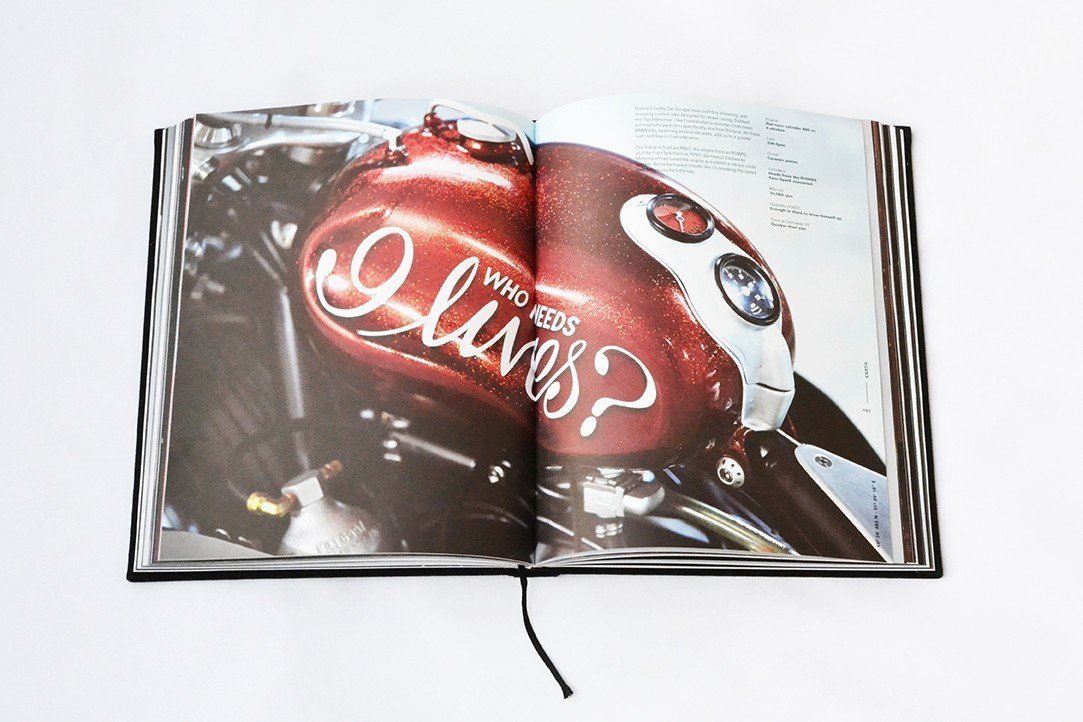
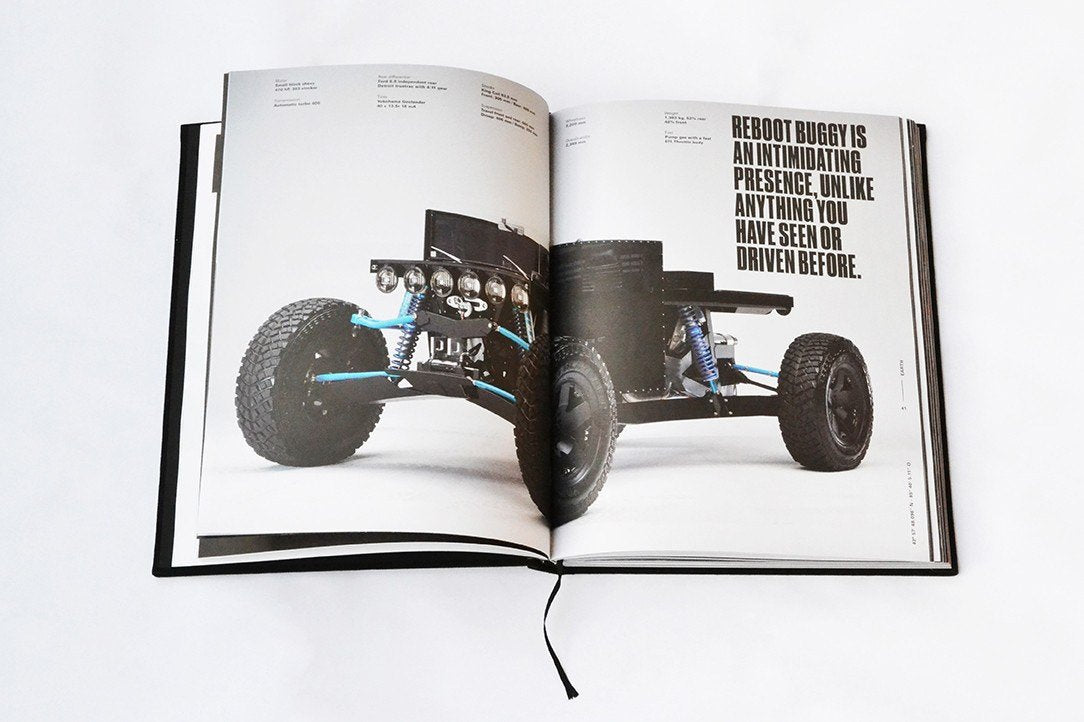
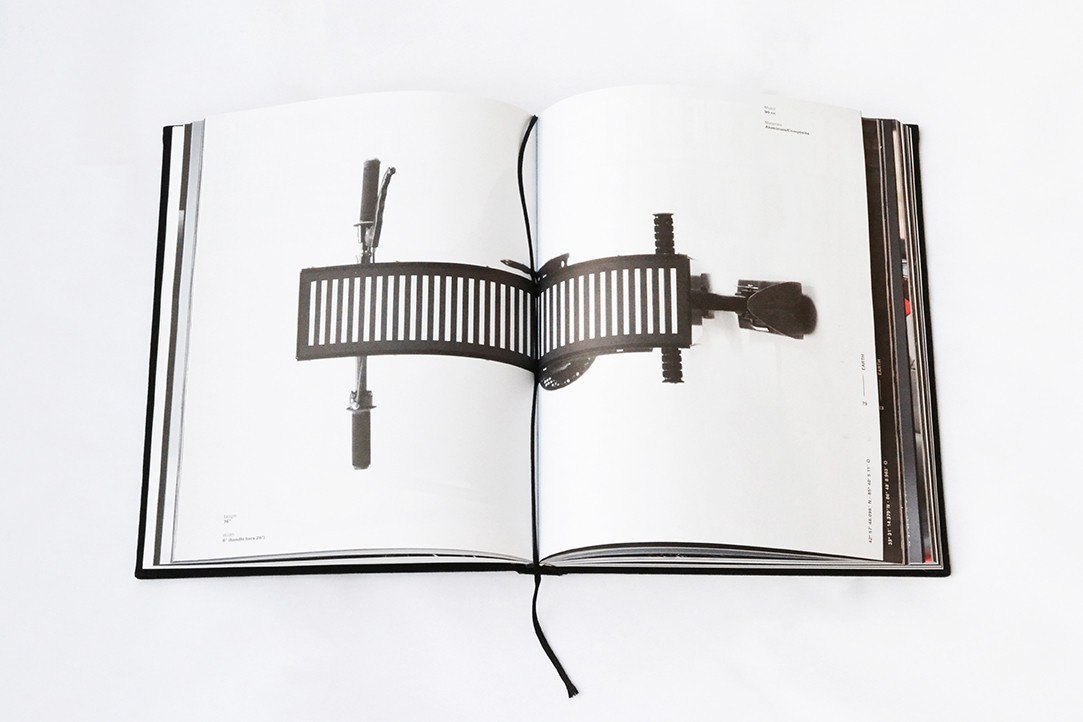
Pre-War Motorcycles - Series by Paul Clifton

Photographer Paul Clifton has produced a striking photographic series dedicated to pre-war motorcycles, capturing the raw mechanical beauty of machines built before the Second World War. Based in Godalming, England, Clifton is a lifestyle photographer and graphic designer whose lens work on classic motorcycles has earned him recognition across the design and custom motorcycle communities. This series offers a rare visual record of bikes that defined the early evolution of two-wheeled transport, when engineering and craftsmanship were inseparable, and every detail was shaped by hand.
The Pre-War Motorcycle Era: 1885 to 1939
The first true motorcycle appeared in 1885 when Gottlieb Daimler fitted a small petrol engine to a wooden bicycle frame. In the 54 years between that invention and the outbreak of the Second World War, the motorcycle evolved from a crude experiment into a sophisticated machine with purpose-built frames, engineered suspension, and competition-proven powertrains. British marques including Brough Superior, Norton, Velocette, and Vincent dominated the era, alongside Continental manufacturers such as DKW, Zundapp, and Moto Guzzi.
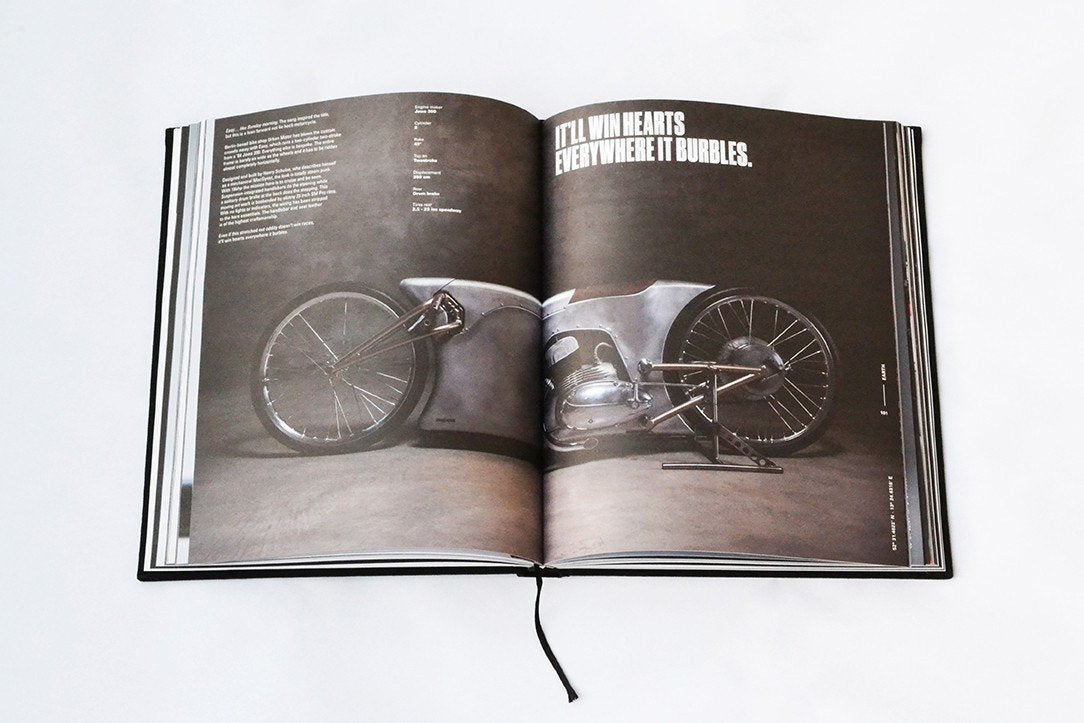
Pre-war motorcycles are defined by exposed mechanical complexity: bare girder forks, large-diameter spoked wheels, hand-operated oil pumps, external flywheel assemblies, and engines mounted with minimal covering. It is precisely this honest exposure of engineering that Clifton's photography captures so effectively, finding graphic quality in the arrangement of components that were never designed with aesthetics as the primary concern, yet achieved a brutal visual elegance by necessity.


Clifton's Visual Approach
Clifton studied photography from an early age but spent years in design before returning fully to image-making. His approach to the pre-war machines draws on that design background: the compositions are controlled, the lighting reveals material and form rather than decorating the subject, and the framing emphasises the graphic quality of handlebars, tank profiles, and exhaust runs in a way that a purely documentary approach would not. The series has been featured by the Inspiration Grid and Design You Trust, two of the most widely followed design publications online.


The Legacy of Pre-War Design in Custom Motorcycle Culture
The design language Clifton documents in these pre-war machines remains deeply influential. The cafe racer and scrambler movements of the 1950s and 1960s drew directly from pre-war racing bikes. Today's finest custom builders continue to reference the same proportions, the same relationship between engine mass and wheel size, and the same preference for functional honesty over decorative excess. Understanding pre-war machines is, in this sense, understanding the genetic code of modern custom motorcycle culture.


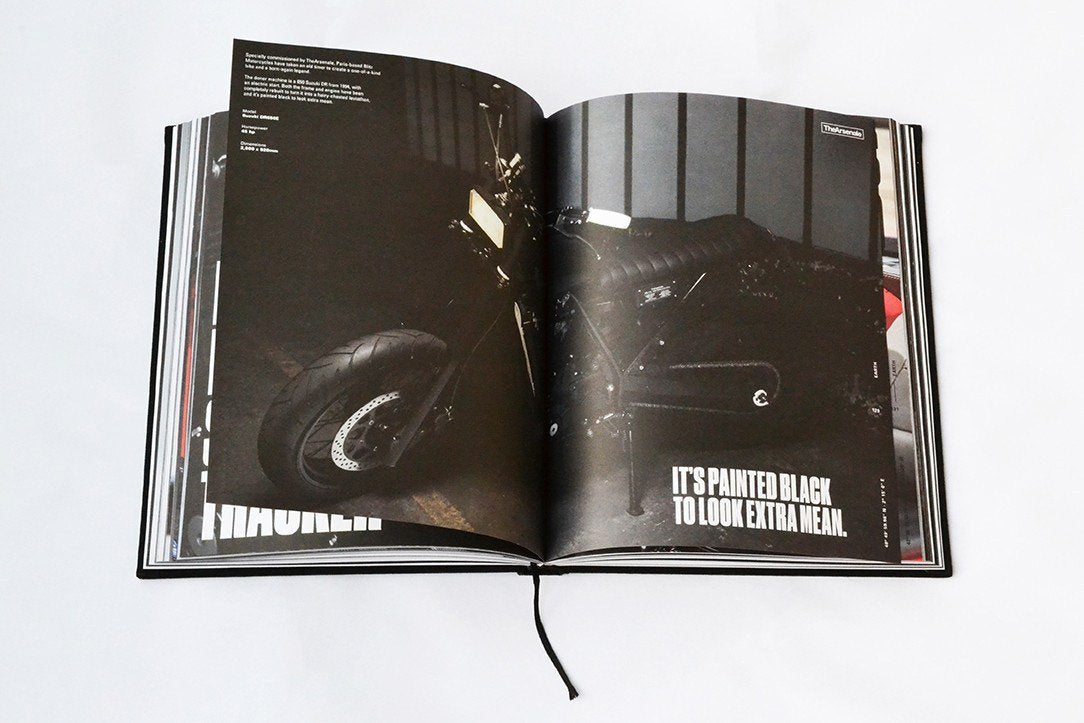
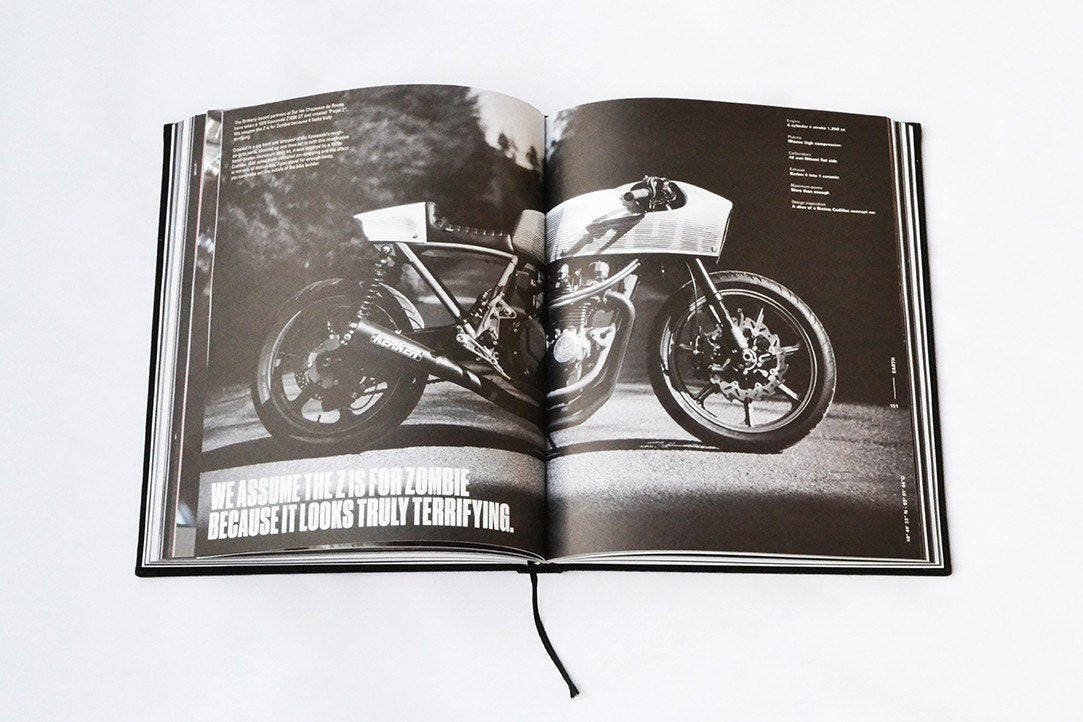
For those who share this appreciation for motorcycle history translated into extraordinary machines, TheArsenale's TheArsenale Motorcycles collection brings together the most significant custom and performance motorcycles available today, including the TheArsenale x Blitz Motorcycle, the The Musket custom motorcycle by Hazan Motorworks, and the Moto Guzzi 850 Cafe Racer by Herencia Custom Garage: machines that continue the tradition of purposeful beauty that Paul Clifton photographs so compellingly.