SP80: BREAKING RECORDS WITH WIND-POWERED SAILING

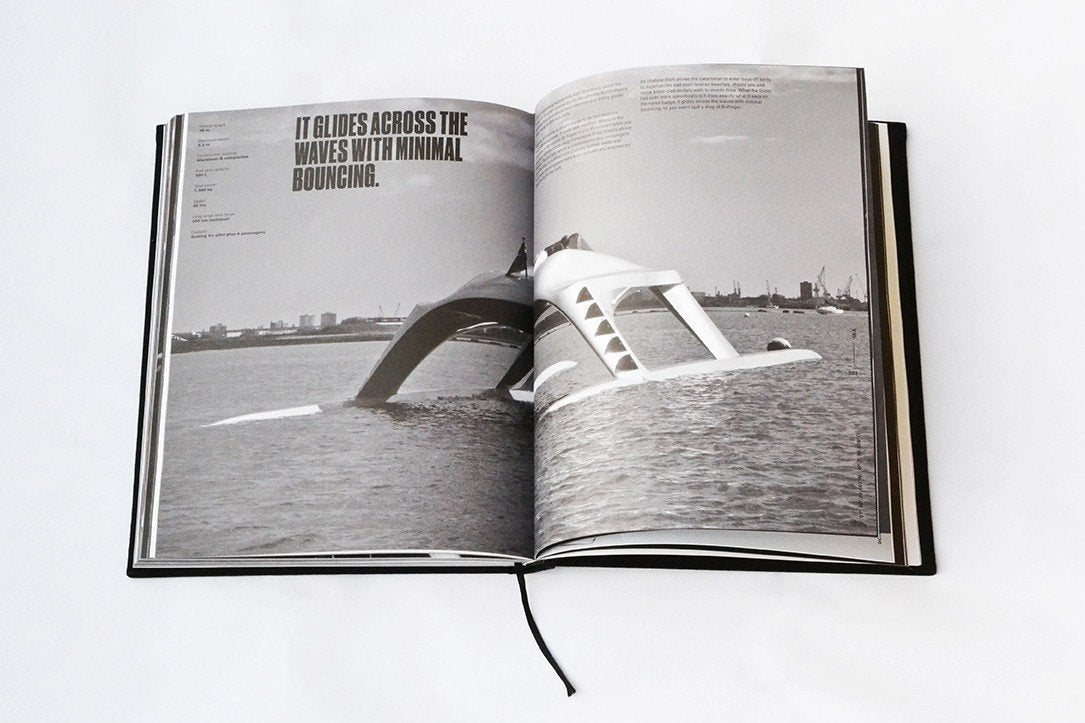
The SP80 wind-powered sailing boat is a record-chasing kiteboat engineered by a team of EPFL students and engineers with a single goal: to sail at 80 knots (150 km/h) using nothing but wind energy. Built over several years of meticulous development on the shores of Lake Geneva, the 7-metre carbon-fibre hull and 20-metre kite combination makes the SP80 one of the most technically ambitious sailing vessels ever conceived, and a compelling proof-of-concept for what renewable propulsion can achieve at the extremes of performance.
What Makes the SP80 Different?
Most high-speed sailboats use conventional rigid wings or soft sails. The SP80 team took a different approach: a large power kite tethered above the hull generates enormous pull while a set of specially developed super-ventilated hydrofoils lifts the boat clear of the water. That combination dramatically reduces drag, which is the single biggest barrier to extreme sailing speeds. The foils are optimised in partnership with simulation specialists Neural Concept using computational fluid dynamics tools that would not look out of place in a Formula 1 aerodynamics department.
The hull itself is made entirely from Carbon TPT, the same ultra-stiff material used in high-end watchmaking and motorsport. At 7 metres long and 6 metres wide, the SP80 is compact by sailing standards but packs extraordinary structural rigidity to handle the loads generated at speed.

Speed Records and Milestones
The SP80 has already broken the 50-knot barrier and, in a landmark run, cracked the 100 km/h mark, making it the second fastest sailboat ever recorded behind the Vestas Sailrocket II and its 68.01-knot top speed. The team initially targeted 2024 for a world record attempt, and after a strong 2025 campaign that pushed personal bests above 58 knots (108 km/h), they have set their sights on Walvis Bay, Namibia, in September 2026 as the venue for a final assault on the outright world sailing speed record of 68.01 knots.
The project was founded in 2018 by Xavier Lepercq, Benoit Gaudiot, and Mayeul van den Broek, three EPFL engineers with deep roots in kitesurfing and offshore sailing. The team has since grown to approximately 40 engineers and students, supported by BMW Switzerland as financial sponsor and official car supplier.

Beyond the Record: Technology Transfer
The ambition of the SP80 project extends far beyond a single speed record. The team is committed to transferring the innovations developed for this boat into practical applications: maritime transport, competitive sailing, and hydroelectric power generation. The super-ventilated foil geometry, the kite control systems, and the lightweight structural methods all have direct relevance to next-generation zero-emission vessels. In a sector that still relies heavily on diesel, the kind of efficiency gains demonstrated by the SP80 could reshape how goods and passengers move across coastal and inland waters.
The TheArsenale Watersport collection features a curated selection of cutting-edge vessels that push the boundaries of performance and sustainability on water, from electric hydrofoils to high-performance runabouts. If wind-powered speed ignites your interest in next-generation watercraft, explore the Mako Slingshot Jetboard for a taste of hydrofoil technology, or the SAY29 Runabout Yacht for electric performance on the water.

Photo: SP80