The Complete Luxury Watch Buying Guide for Collectors
The global market for high-end timepieces is projected to surpass 51 billion dollars in 2026, a figure that reflects how deeply a fine watch has become both an object of desire and a store of value. Before you commit to a serious purchase, it helps to understand what separates a considered acquisition from an impulse. For a broader perspective on the houses worth your attention, our guide to the best luxury watch brands offers a useful starting point.
Approaching a decision of this magnitude rewards patience and method. A thoughtful guide to buying a luxury watch should address movements, materials, provenance, and the practical realities of ownership. According to Straits Research, the sector is expected to grow from 51.05 billion dollars in 2026 at a compound annual rate of 6.9 percent, evidence that demand shows little sign of cooling.
What Defines a Genuine Luxury Watch
Every luxury watch buying guide begins with a simple question: what actually justifies the price? The answer lies in a combination of superior craftsmanship, rare materials, and mechanical complexity. A fine timepiece is assembled by skilled artisans, finished by hand, and subjected to rigorous quality control before it reaches your wrist.
Beyond the tangible, a luxury watch carries heritage. Many houses have refined the same designs across decades, building recognition and enduring value. Switzerland still produces the large majority of the world's fine timepieces, and dedicated resources on luxury swiss watch brands can help you compare houses before you narrow your shortlist. The most respected names pair traditional watchmaking with in-house engineering, which is precisely what protects resale value over time.
It also helps to understand the vocabulary. The case houses and protects the movement, the crown sets the time, the dial displays the hours and any additional functions, and jewels reduce friction inside the mechanism. Learning these components allows you to shop with genuine confidence rather than relying solely on a salesperson.
Movements: The Heart of Every Timepiece
The movement is the engine of a watch, and it shapes both character and cost. Three families dominate the market, and each suits a different kind of owner.
Quartz movements are powered by a battery and regulated by a quartz crystal. They are accurate, affordable, and require little maintenance, which makes them practical for daily wear. They do not, however, carry the prestige or the long-term appreciation associated with traditional watchmaking.
Automatic movements are self-winding mechanical calibres powered by the motion of your wrist. They represent centuries of horological tradition and remain the preferred choice for collectors who value craftsmanship. Manual mechanical movements require daily winding and reward those who appreciate ritual and heritage above convenience. For a striking illustration of how far precision engineering can be pushed, our Urwerk timekeeping guide explores the outer limits of mechanical accuracy.
Matching Style, Size, and Purpose
Ask yourself where the watch will live before you fall in love with a dial. A diver's watch offers robust water resistance and versatility, a dress watch complements formal attire with a slim profile, and a chronograph adds stopwatch functionality for those who value both utility and visual interest.
Water resistance deserves particular attention. A rating of thirty metres repels rain and splashes, yet swimming, snorkelling, or diving demands significantly higher protection. Remember that the stated rating applies to the case, so ensure the bracelet or strap suits your intended use as well.
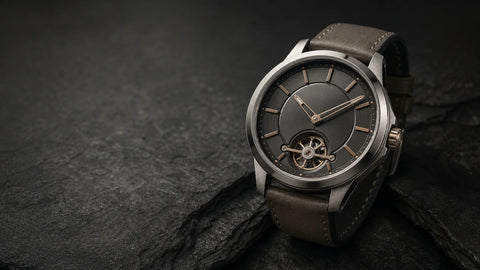
Proportion matters just as much as function. Consider the case diameter against the width of your wrist, and choose a strap material, whether leather, rubber, fabric, or metal, that fits both your comfort and your wardrobe. For collectors drawn to bold, contemporary aesthetics, our feature on the H. Moser ultra-dark watch shows how design can become a statement in itself.
Watches as Assets: The 2026 Market and Pre-Owned Surge

A fine watch is increasingly treated as an alternative asset rather than a mere accessory. Scarcity, brand equity, and long waiting lists at authorized retailers have turned certain models into appreciating investments. Grand View Research notes that consumers now view pre-owned luxury watches as investment assets, driven by strong resale performance and long-term value potential.
The buyer base is also evolving. According to a fact-checked 2026 report, 42 percent of luxury watch buyers in 2023 were millennials, a demographic shift that is reshaping which references command premiums. Younger, digitally fluent collectors research extensively before buying, and they gravitate toward pieces with proven aftermarket liquidity.
The certified pre-owned segment is the clearest signal of this shift. Analysis compiled by Sourceready reports the pre-owned sector growing at nearly 13 percent annually, alongside a squeezing of the mid-range as heritage scarcity brands and strong entry-level Swiss options pull demand toward both ends. Understanding this dynamic helps you buy pieces likely to hold value.
Where to Buy With Confidence

Choosing the right seller is as important as choosing the right watch. Official boutiques and authorized dealers guarantee authenticity, warranty, and access to servicing. Online marketplaces and auction houses widen your selection but demand careful verification of the seller's reputation. The table below compares the most common channels.
| Channel | Authenticity guarantee | Selection breadth | Early access to rare pieces |
|---|---|---|---|
| Official boutique | High | Single brand | Limited |
| Authorized dealer | High | Several brands | Waiting lists |
| Online marketplace | Variable | Broad | Occasional |
| Auction house | High for vetted lots | Rare and vintage | Event-driven |
| TheArsenale (our marketplace) | High, curated selection | Broad and curated | Yes, before public listing |
If early access to sought-after pieces matters to you, our Private Membership grants access to vehicles and machines before they are listed publicly, a principle we apply across our curated marketplace. This combination of curation and privileged access is designed for buyers who value discretion and speed.
Authentication, Warranty, and After-Sales Care
Never treat authentication as an afterthought. Insist on original papers, serial numbers, and a documented service history. Buying from an official retailer guarantees genuine product, honoured warranty terms, and direct links to the manufacturer for repairs and parts.
Warranty conditions vary by house, though a minimum of two years is common, and several leading brands offer longer coverage. Ask about the length of the power reserve, the correct procedure for setting complications, and the risks of over-winding. Clarifying these details at the point of sale protects your investment for years to come.
Finally, plan for maintenance. A mechanical watch requires periodic servicing to preserve accuracy and value. Understanding the after-sales procedure, and where servicing will take place, ensures your timepiece can be enjoyed and, in time, passed on.
Bringing Your Decision Together
A successful purchase is never accidental. By working through this practical guide to buying a luxury watch, you can weigh movement, style, provenance, and seller with clarity rather than emotion. Set your budget, define how and where you will wear the piece, favour references with proven resale strength, and buy only from a source that guarantees authenticity. Do that, and your timepiece will reward you as both a companion and an asset for decades.
Take action with TheArsenale
Once you have decided what you are looking for, the search for the right piece should feel as refined as the watch itself. We bring the same curatorial standards to timepieces that we apply across our luxury mobility marketplace, connecting discerning buyers with exceptional objects and privileged access.

Explore our curated luxury watches collection and discover pieces selected for craftsmanship, provenance, and lasting value. Through our Private Membership, you may access sought-after machines and objects before they are listed publicly, and our team usually replies in less than thirty minutes. We are available in Monaco, Dubai, Doha, and online.
Frequently Asked Questions
What price qualifies a watch as luxury?
There is no fixed threshold, though many enthusiasts consider timepieces priced above 1,500 dollars to enter luxury territory. What truly matters is craftsmanship, materials, movement quality, and brand heritage rather than price alone.
Are automatic watches better than quartz for value?
Automatic and mechanical movements generally retain value better than quartz because they represent traditional craftsmanship prized by collectors. Quartz remains an accurate and low-maintenance choice, yet it rarely appreciates in the same way.
Is buying a pre-owned luxury watch a good idea?
Certified pre-owned watches can offer strong value and access to discontinued references, and the segment is growing rapidly. Always verify authenticity, papers, and service history, and buy from a reputable, transparent seller.
Where can I access rare pieces before public release?
Waiting lists at authorized dealers are common for scarce models. Through our Private Membership, you may access curated pieces and machines before they are listed publicly, which shortens the search for sought-after references.
How often should a mechanical watch be serviced?
Servicing intervals depend on the movement and the manufacturer, but periodic maintenance is essential to preserve accuracy and value. Confirm the after-sales procedure and warranty terms at the point of purchase.