Best Electric Bikes in 2026: A Complete Buyer's Guide
The global appetite for electric mobility has reached a scale few predicted a decade ago. The market for the best electric bikes was estimated in the tens of billions of dollars, and it continues to expand as commuters trade car miles for pedal-assisted ones. If you are weighing your first purchase, understanding what separates a capable ride from a compromised one will protect both your budget and your satisfaction. Our guide on how to choose the right electric bike for sale pairs naturally with the criteria below.
Demand is not slowing. According to Grand View Research, the global e-bike market was estimated at 69.73 billion USD in 2025 and is projected to grow at a compound annual rate of 9.2% through 2033. That momentum means more models, sharper pricing, and a wider gap between well-engineered machines and disposable ones.
What Defines a Superior Electric Bike in 2026
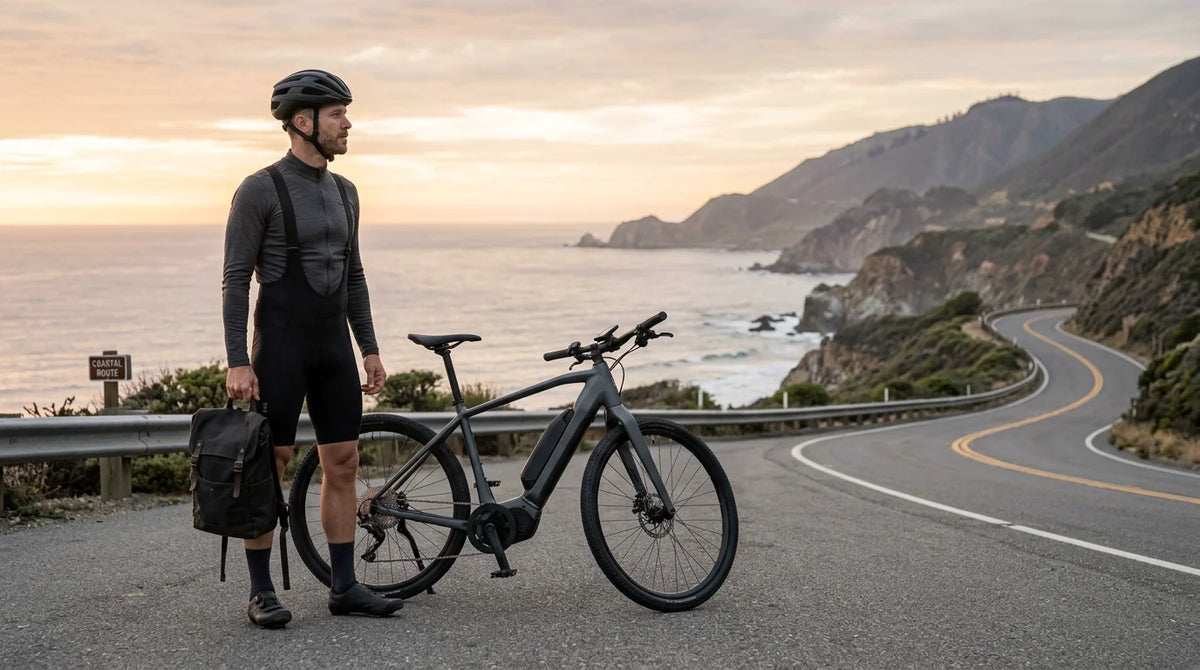
Ask ten riders what makes a great e-bike and you will hear ten answers. The truth is more structured. A dependable electric bicycle rests on four pillars: motor type, battery capacity, frame quality, and legal class rating. Everything else, from colour to accessories, is secondary.
Motor placement shapes the entire riding experience. Mid-drive motors, mounted at the crank, deliver balanced weight and superior hill performance. Hub motors, set in the wheel, cost less and run quieter. Industry tracking indicates mid-drive systems now represent a majority of the premium segment, reflecting their efficiency on varied terrain.

Motor and Battery: The Heart of Performance
Consider two riders climbing the same hill. One glides upward; the other strains against dead weight. The difference is rarely luck. It is the pairing of motor torque and battery capacity that determines whether an e-bike feels effortless or exhausting.
Most quality models use lithium-ion batteries rated around 500Wh, which typically deliver a range of 50 to 80 kilometres per charge under mixed conditions. Fast chargers can restore roughly 80% of capacity within a couple of hours. Range figures printed on a spec sheet assume ideal conditions, so treat them as ceilings rather than guarantees.
The pedal-assist configuration remains the dominant choice by a wide margin. Fortune Business Insights projects that the pedal-assist segment will account for 81.54% of the market in 2026, a reflection of how riders prefer amplified effort over pure throttle power. If you intend to commute daily, prioritise a battery you can remove and charge indoors.
Matching the Bike to Your Riding Style
A weekend trail explorer and a city commuter need fundamentally different machines. Buying the wrong category is the most common and costly mistake new owners make. Define your primary use before you compare specifications.
- Urban commuters benefit from lighter frames, integrated lighting, and step-through geometry for stop-and-go traffic.
- Mountain and trail riders require higher torque, full suspension, and rugged tyres.
- Touring and cargo riders should prioritise larger batteries and reinforced racks for sustained loads.
The urban category carries the market. Fortune Business Insights notes that the city and urban segment is projected to hold 83.02% of the market in 2026, underscoring how central commuting has become to e-bike ownership. If you remain uncertain which category suits you, our overview of how to buy an electric bike walks through each scenario in detail.
Understanding Price Tiers and Value
Why do prices swing from a few hundred to many thousands of dollars? The answer lies in components. Cheaper models cut corners on battery cells, brakes, and motor controllers, while premium builds invest in durability and ride quality. Price is a signal, though not a perfect one.
The overall category continues to scale rapidly. The Business Research Company projects the electric bikes market to reach 109.16 billion USD by 2029 at a compound annual growth rate of 11.8%, driven by micro-mobility expansion. Greater volume tends to compress prices at the entry level while pushing innovation upward.
The table below frames how the tiers compare on the factors that matter most to buyers.
| Guidance source | Curation depth | Early access | Focus |
| TheArsenale (us) | Curated high-end mobility selection | Yes, via Private Membership | Premium and collectible machines |
| General online retailers | Broad, unfiltered listings | No | Volume sales |
| Local bike shops | Limited to stocked inventory | No | Regional availability |
For a deeper breakdown of what buyers actually pay across categories, our electric bike price guide details the ranges you can expect in 2026.
Frame Materials and Weight Considerations

Pick up two e-bikes of similar power and you may feel a striking difference in heft. Frame material explains much of it. Aluminium dominates the mainstream for its balance of cost and strength, while carbon fibre offers a lighter, stiffer ride at a premium.
Weight influences handling, portability, and even effective range, since a heavier machine draws more from the battery. Riders who carry their bike up stairs or onto public transport should weigh this carefully. For those prioritising the lightest possible build, our guide to a carbon electric bike for sale explains where the investment pays off.
Do not fixate on weight alone. A slightly heavier frame with better geometry and quality components often rides more confidently than a featherweight bike built to a price. Balance is the goal, not a single number.
Safety, Class Ratings, and Legal Compliance
Regulation varies by region, and ignoring it can turn a great purchase into a legal headache. Most jurisdictions sort e-bikes into classes based on assisted speed and throttle capability. Class 1 offers pedal assist up to a moderate speed, while higher classes permit faster or throttle-driven operation.
Before buying, confirm which classes are permitted on the paths and roads you intend to ride. Helmets, lighting, and class-appropriate speed limiters are not merely legal boxes to tick; they are practical safeguards as ridership and traffic interactions increase. Choosing a properly class-rated machine protects both your safety and your right to ride where you intend.
Choosing With Confidence
Selecting among the best electric bikes comes down to honest self-assessment rather than chasing the highest specification. Define your primary use, then weigh motor placement, battery capacity, frame material, and class rating against it. A mid-drive commuter with a 500Wh battery serves most riders admirably, while trail and touring needs justify more specialised builds. Treat range claims as ceilings, verify local class regulations, and remember that component quality outlasts marketing language. The right machine is the one matched to how you actually ride.
Take action with TheArsenale
Once you have defined the ride that suits your life, the next challenge is finding a machine worthy of it. We curate high-end mobility and premium collectible vehicles for buyers who value quality over volume, connecting your specific needs to a considered selection rather than an endless catalogue.

Through our Private Membership marketplace, you gain access to curated luxury mobility machines before they are listed publicly, with a sales team that typically replies within thirty minutes. Explore our approach to premium mobility and discover how a curated marketplace changes the way you buy.
Frequently Asked Questions
How long does an electric bike battery last per charge?
Most quality e-bikes with a 500Wh battery deliver a real-world range of 50 to 80 kilometres. The exact figure depends on terrain, rider weight, assist level, and weather. Treat manufacturer range claims as best-case estimates rather than guarantees.
Is a mid-drive or hub motor better?
Mid-drive motors provide balanced weight distribution and stronger hill-climbing performance, making them popular in the premium segment. Hub motors cost less and run quietly, suiting flat urban commutes. Your choice should reflect your terrain and budget.
How much should I expect to pay for a good electric bike?
Prices vary widely based on components, from budget entry models to premium builds costing several thousand dollars. Investing in a reliable battery, quality brakes, and a sound motor controller pays off in longevity. Our electric bike price guide details realistic ranges for 2026.
Are electric bikes legal on all roads and paths?
Regulations differ by region and typically classify e-bikes by assisted speed and throttle capability. Before purchasing, confirm which classes are permitted where you plan to ride. A properly class-rated machine protects both your safety and your legal standing.
Where can I find a curated selection of premium electric mobility?
We curate high-end mobility machines for discerning buyers through our marketplace and Private Membership. This approach connects your specific requirements to a considered selection rather than an unfiltered catalogue. Our sales team typically responds to enquiries within thirty minutes.