Triton 36000/2: Full Ocean Depth Submersible Explained

At approximately 11,000 meters below the surface, the ocean becomes a world of darkness, extreme pressure, and limited access. The triton 36000/2 addresses that challenge through a purpose-built submersible engineered for full ocean depth missions. If you are exploring the wider category, our our Triton submarines by Patrick Lahey coverage provides additional context on the people and engineering behind these vehicles.
This is not a conventional personal submarine for coastal sightseeing. It is a compact deep-submergence vehicle designed around scientific observation, controlled descent, precise maneuvering, and repeatable operation. Its importance comes from the combination of depth capability, human occupancy, mission endurance, and support equipment required to work in the hadal zone.
What is the Triton 36000/2 built to do?
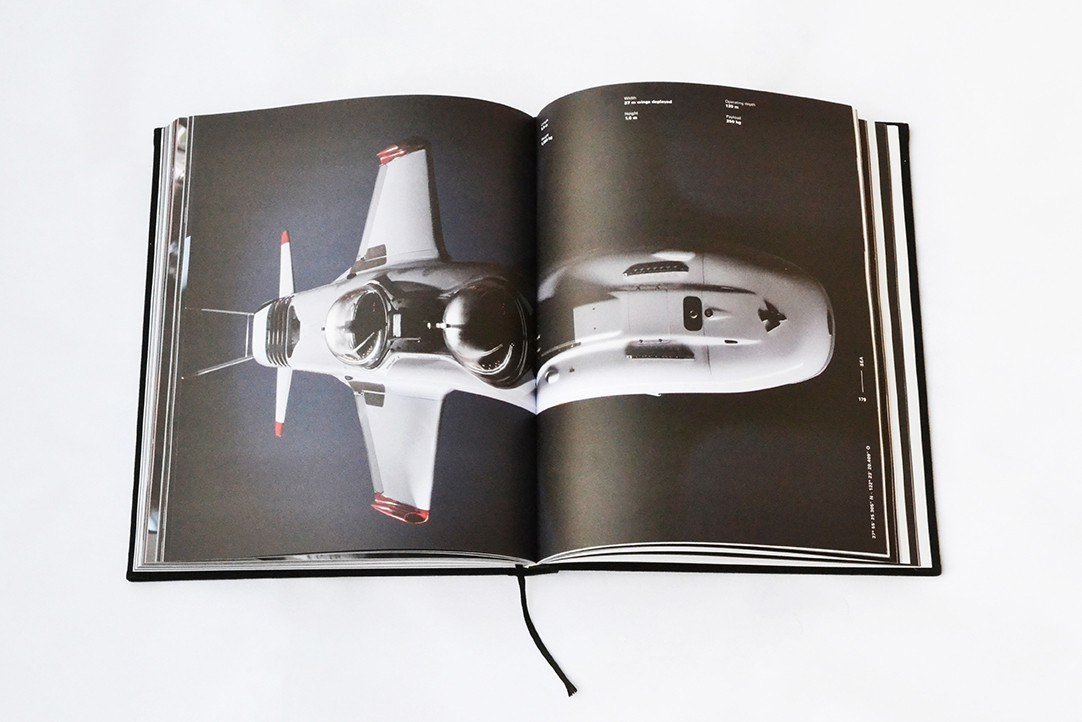
The Triton 36000/2 is designed to carry a pilot and one additional occupant to full ocean depth. Its vertical configuration reflects the mission. Rather than prioritizing fast horizontal travel, the vehicle is shaped and equipped for long descents and ascents through the water column.
The purpose is broader than setting a depth record. A vehicle of this type can support scientific research, geological sampling, biological observation, high-resolution filming, wreck investigation, and expedition planning. Repeatable access allows researchers to compare observations across different depths, locations, temperatures, salinity levels, and geological environments.
The current manufacturer datasheet lists a rated depth of 36,000 feet, or 11,000 meters, a two-person capacity, a dry weight of approximately 11,700 kilograms, and an operational endurance exceeding 16 hours. It also specifies a 65 kWh battery system, ten electric thrusters, three wide-angle viewports, and a 90 millimeter titanium pressure hull in the technical datasheet.
These specifications explain why the vehicle belongs to a different category from recreational submersibles. Its design priorities are pressure resistance, controlled buoyancy, visual access, system redundancy, and practical deployment from a suitable support vessel.
How does its pressure hull manage extreme depth?
At full ocean depth, pressure is the central engineering problem. The pressure hull must resist crushing forces while preserving a controlled environment for the occupants and onboard equipment.
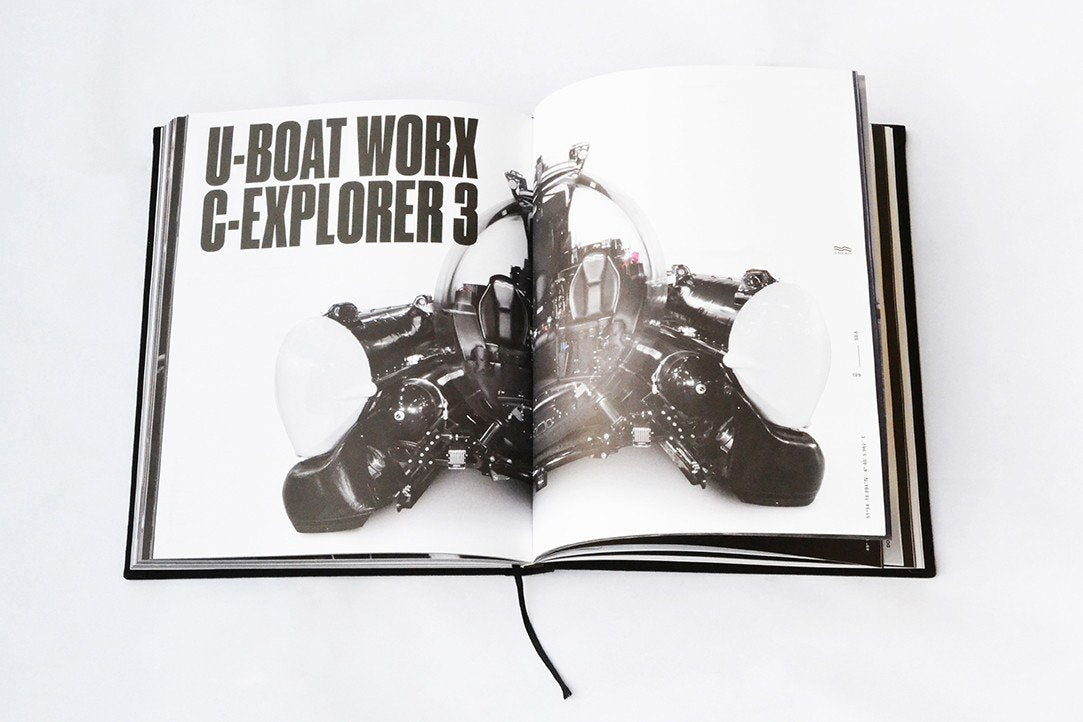
The Triton 36000/2 uses a spherical titanium pressure hull. A sphere distributes external pressure efficiently, reducing structural stress concentrations compared with less symmetrical shapes. The titanium structure is paired with acrylic viewports, which provide direct visual access while maintaining the pressure boundary.
The hull is reported to have an internal diameter of approximately 1,500 millimeters and a wall thickness of 90 millimeters. These dimensions create a compact interior, but they also support the vehicle's deep-diving purpose. Occupant comfort is addressed through padded seating, environmental control, and an arrangement designed for long missions.
Manufacturing precision is equally important. Small variations in shape can affect how a pressure vessel responds under load. The design therefore depends on carefully controlled forging, machining, inspection, assembly, and testing processes.
The outer structure carries propulsion, lighting, cameras, ballast, and mission equipment without replacing the pressure hull as the primary protective enclosure. This separation makes maintenance and system access more practical while preserving the strength of the central crew compartment.

What can occupants see and operate at depth?
Imagine descending for several hours into an environment where natural light disappears long before the seafloor appears. Visibility then depends on the integration of viewports, lighting, cameras, controls, and mission planning.
The submersible uses three wide-angle acrylic viewports to give the pilot and observer forward and downward sight lines. External lighting is provided by high-output LED systems. Cameras supplement direct viewing, particularly when conditions outside the viewports are too dark or when recording requires a separate perspective.
The control arrangement combines a joystick, touchscreen interfaces, and manual override functions. This combination supports normal maneuvering while preserving a direct backup method for critical operations. The vehicle's thruster layout supports vertical travel, lateral movement, and fine positioning near the seafloor.
A manipulator arm can extend the vehicle's usefulness beyond observation. Depending on the mission configuration, it can assist with sampling, object inspection, equipment handling, or interaction with selected features on the seabed. Payload capacity remains limited, so every instrument and tool must serve a clear purpose.
The result is a platform that connects human presence with remote sensing. Occupants can make immediate visual judgments, while cameras, sonar, samplers, and other instruments create a record for analysis after the dive.
Why was the Five Deeps Expedition significant?
In 2019, the submersible associated with the name Limiting Factor became central to the Five Deeps Expedition. The expedition sought to reach the deepest points of all five oceans, combining human-occupied dives with mapping, sampling, and scientific observation.
The expedition site describes the vehicle as a two-person platform intended for full ocean depth operations. It lists a depth capability of 11,000 meters, an endurance exceeding 16 hours, a payload of more than 220 kilograms, and emergency life support rated for 96 hours. The expedition's technical overview also explains the vehicle's vertical travel configuration and redundant emergency ascent systems.
The significance of that mission was operational rather than symbolic. Reaching one deep point once demonstrates capability. Returning repeatedly, carrying different occupants, collecting observations, and operating across multiple ocean trenches demonstrates a more useful form of reliability.
The mission also showed how a submersible functions within a larger system. The vehicle required a suitable research vessel, launch and recovery equipment, mapping tools, communication systems, landers, maintenance resources, and a trained expedition team.
This distinction matters for anyone evaluating a deep-sea vehicle. The submersible itself is only one part of the ownership equation. Support vessels, crew, logistics, insurance, regulatory planning, maintenance, and mission design can determine whether the vehicle is genuinely usable.
Which safety systems matter most?
At extreme depth, safety cannot depend on one component or one recovery method. The design must anticipate power loss, equipment failure, entanglement, control problems, and difficulties during ascent.
The Triton 36000/2 incorporates multiple systems intended to support a return to the surface. These include emergency ballast release, independent power arrangements, releasable equipment, and emergency life support. The principle is straightforward: no single failure should prevent the vehicle from achieving positive buoyancy.
The distinction between normal endurance and emergency endurance is important. More than 16 hours refers to the planned operating period, while the emergency life support duration is a separate contingency provision. Buyers should always request the full operational manual, certification documents, maintenance schedule, and emergency procedures before treating these figures as a complete safety assessment.
Certification also requires careful interpretation. A commercial classification certificate indicates that a recognized third party has reviewed relevant design, construction, and operational elements. It does not remove the need for qualified pilots, proper support infrastructure, approved operating procedures, or location-specific permissions.
Material traceability supports this safety culture. The British Stainless Steel Association published a case study describing titanium Grade 5 fasteners for a Triton 36000/2 project. The case involved independent raw-material testing, complete inspection, fit-up testing, and traceability from the original material through finished components in the fastener case study.
For a prospective owner, this suggests a practical evaluation method. Do not assess only depth, speed, or appearance. Review the complete chain of certification, component traceability, inspection, pilot training, maintenance, launch, recovery, and emergency response.

Who might use a submersible of this type?
A research institute could use the vehicle to investigate deep biological communities, geological formations, or oceanographic conditions. A documentary team could use it to capture direct human perspectives from places that are normally seen only through cameras or unmanned systems.
Philanthropic organizations and conservation groups may also view full ocean depth access as a way to support discovery and public engagement. The value is not limited to what happens during the dive. Samples, imagery, mapping, and observations can contribute to long-term scientific records and educational projects.
Private collectors may approach the category from a different direction. They may value engineering, rarity, exploration history, or the opportunity to participate in carefully managed expeditions. That interest still requires a realistic understanding of ownership. A deep-diving submersible is not an ordinary leisure purchase, and its operation depends on specialist personnel and infrastructure.
Our personal submarine buying guide offers a useful starting point for comparing mission goals, vessel types, support requirements, and acquisition questions. The right choice depends on whether you need shallow-water access, yacht deployment, scientific capability, or full ocean depth performance.
For readers considering a broader collection, our personal submarine for sale selection provides another route into the category. Availability, specifications, delivery arrangements, crew requirements, and after-sales support should be confirmed directly for every individual machine.
How should you evaluate a Triton 36000/2 acquisition?
The first question is not whether the vehicle can reach the deepest point. It is what you intend to do after reaching it.
Start with the mission profile. Scientific sampling, documentary production, private exploration, and institutional research can require different payloads, communications systems, seating arrangements, operating bases, and support vessels.
Next, assess deployment. A full ocean depth vehicle generally requires a vessel with suitable deck space, a rated launch and recovery frame, maintenance areas, technical personnel, and weather planning. The support vessel may also need mapping equipment, laboratories, workshops, communications systems, and accommodation for the wider expedition team.
Then review the human factors. Pilots must be appropriately trained, and every occupant needs a clear understanding of dive duration, emergency procedures, communication protocols, and physical limitations. Interior comfort matters because long missions can increase fatigue and reduce attention.
Finally, ask for documentation rather than relying on marketing descriptions. Relevant materials may include classification records, pressure-test information, maintenance schedules, battery documentation, life support procedures, payload limits, operating restrictions, and ownership support terms.
Our coverage of our Project Neptune by Triton and Aston Martin also illustrates how personal submersibles can extend beyond utility into design, hospitality, and luxury mobility. Even then, the engineering and operational questions remain essential.
What the Triton 36000/2 represents
The Triton 36000/2 represents a specialized approach to human access beneath the ocean surface. Its value comes from the relationship between a titanium pressure hull, controlled propulsion, direct observation, scientific equipment, emergency systems, and a capable support operation.
For researchers, filmmakers, institutions, and collectors, the correct evaluation begins with purpose. Confirm the mission, infrastructure, certification, crew requirements, maintenance plan, and ownership responsibilities before considering the vehicle as an acquisition. A full ocean depth submersible is most meaningful when its extraordinary capability is matched by a practical and responsible operating framework.
Take action with TheArsenale
If the Triton 36000/2 has introduced you to the wider world of advanced underwater mobility, the next step is to compare machines according to your intended use, access requirements, and preferred level of technical support.

We curate rare mobility objects across land, sea, and air, including personal submarines and other future-oriented machines. Explore our selection, review the available formats, and contact our team when you are ready to explore personal submarines through a more tailored acquisition process.
Frequently Asked Questions
What is the Triton 36000/2?
The Triton 36000/2 is a two-person, full ocean depth submersible designed for deep-sea exploration, research, filming, and specialized missions. It is built for extreme pressure and extended underwater operations.
How deep can the Triton 36000/2 dive?
Its published design depth is approximately 11,000 meters, or 36,000 feet. This corresponds to full ocean depth and includes the deepest known ocean environments.
How many people can it carry?
The vehicle is configured for a pilot and one additional occupant. Its compact pressure hull prioritizes structural strength, visibility, life support, and mission equipment rather than passenger volume.
Is the Triton 36000/2 suitable for private ownership?
Private ownership may be possible, but operating a vehicle of this type requires specialist crew, a suitable support vessel, maintenance planning, certification management, and expedition logistics. You should evaluate the complete operating system rather than the submersible alone.
Can TheArsenale help me find a personal submarine?
Yes, we curate personal submarines and other rare mobility machines through our international marketplace. Our team can help you explore available options and determine which vessel type aligns with your intended use.