JETZERO'S AIRCRAFT IS A STEP CLOSER TOWARDS SUSTAINABLE AVIATION

JetZero, the California-based aviation startup pioneering the blended wing body design, cleared a pivotal regulatory milestone in 2024 when the FAA awarded an Airworthiness Certificate to its Pathfinder demonstrator. That approval opened the door to test flights at Edwards Air Force Base, bringing the company's vision of a 50% more fuel-efficient commercial airliner one concrete step closer to reality.
What Is JetZero and the Blended Wing Body Concept?
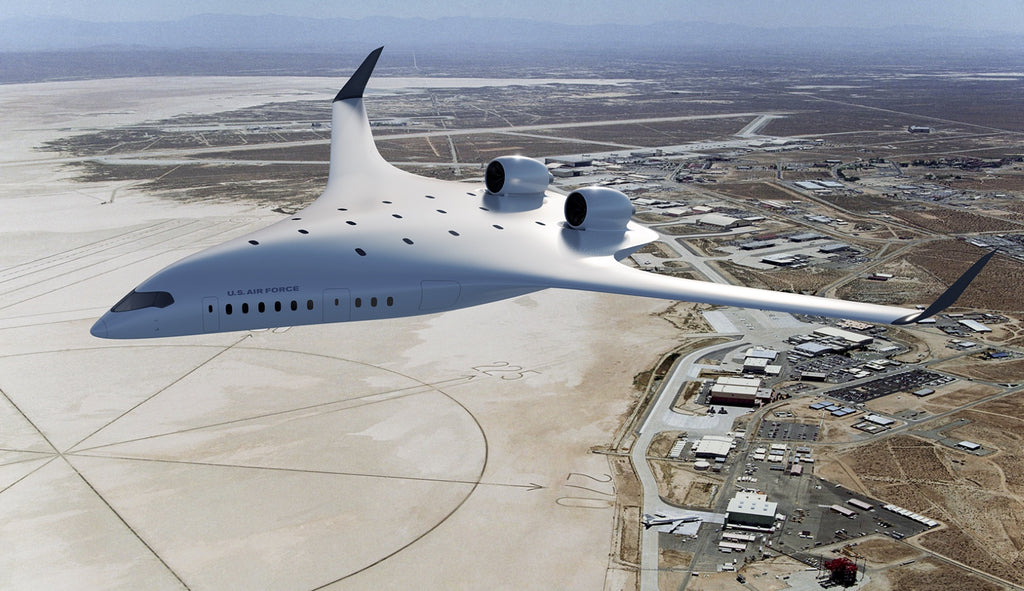
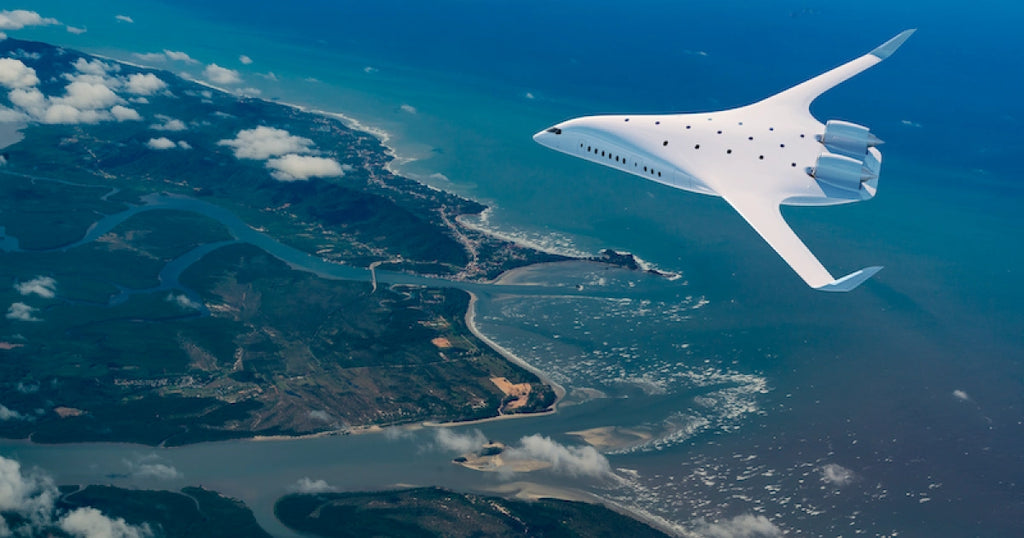
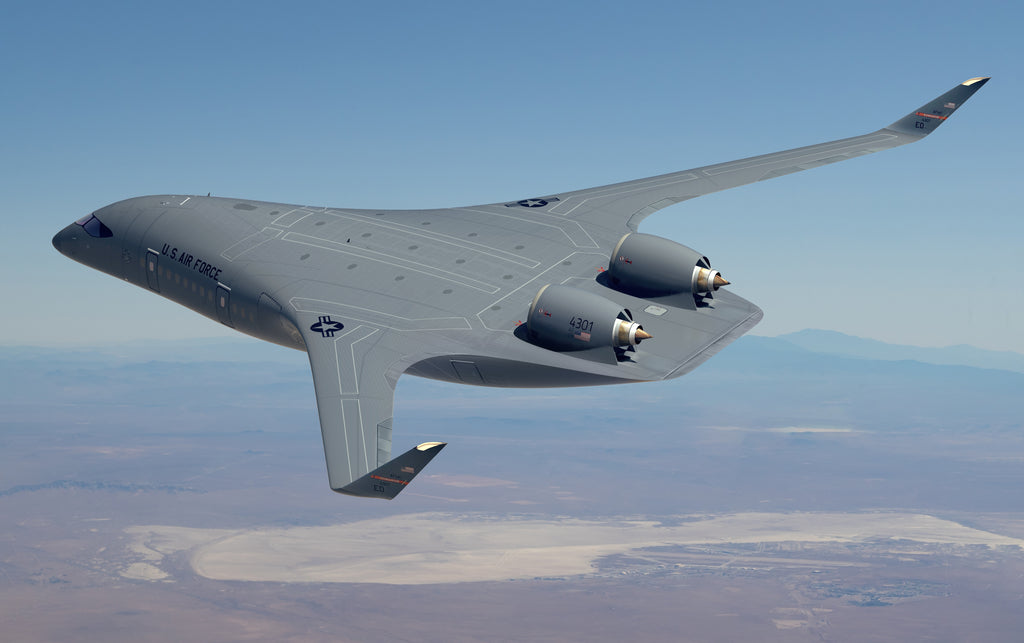
Unlike conventional tube-and-wing aircraft where the fuselage is a passive payload carrier, the JetZero blended wing body merges fuselage and wings into a single lifting surface. Every square metre of the airframe generates aerodynamic lift, which dramatically cuts the thrust required to stay airborne. The result, according to JetZero, is an aircraft that burns 50% less fuel than a comparable conventional jetliner and is fully compatible with Sustainable Aviation Fuel (SAF), hydrogen, and other zero-carbon powertrains.
The Pathfinder Demonstrator Gets FAA Clearance
Pathfinder is a 1:8 scale demonstrator with a 23-foot wingspan, representing roughly 12.5% of the planned full-scale aircraft. The FAA Airworthiness Certificate issued in early 2024 confirmed the design is structurally sound and safe for flight testing. This milestone followed a $235 million contract awarded by the U.S. Department of Defense's Defense Innovation Unit to support development of a full-scale demonstrator by early 2027. The military interest underscores the potential of the blended wing body for tanker and cargo roles alongside commercial passenger service.
Why the Blended Wing Body Matters for Sustainable Aviation
Aviation accounts for roughly 2.5% of global CO2 emissions, and that figure rises when non-CO2 warming effects are included. Incremental improvements to tube-and-wing designs are delivering 1 to 2% annual efficiency gains, nowhere near fast enough to meet 2050 net-zero targets. JetZero's architecture offers a step-change rather than an incremental gain:
- 50% fuel reduction versus a standard narrow-body or wide-body jet on comparable routes.
- Larger interior volume relative to external dimensions, improving passenger comfort and cargo density simultaneously.
- Hydrogen compatibility built into the design from the outset, allowing the airframe to accommodate zero-carbon powertrains as they mature.
- Three planned variants: a 200-plus-seat passenger aircraft, a dedicated cargo freighter, and a military tanker, spreading development costs across multiple revenue streams.
Timeline: From Pathfinder to Commercial Service
JetZero has set out a clear roadmap. The Pathfinder subscale demonstrator began flight testing in 2024. A full-scale demonstrator is targeted for 2027. Commercial certification and entry into service is planned for around 2030. That schedule is ambitious, but the DoD funding and FAA engagement suggest a credible pathway. The Aviation A2Z coverage of the FAA approval noted that the regulatory process itself signals the design is no longer a paper concept but an aircraft under active certification review.
Sustainable aviation is one of the most compelling frontiers in mobility right now. Explore cutting-edge aircraft and eVTOL concepts in the TheArsenale Air collection, including the hybrid-electric Ascendance Atea aircraft and the autonomous Ehang AAV passenger drone. For those ready to take to the skies today, the Icon A5 amphibious light sport aircraft offers a more immediate gateway to personal aviation.
Photo: JetZero, U.S. Air Force