How Much Should You Spend on a Luxury Watch in 2026?
A luxury watch should feel rewarding, not financially restrictive. Before you compare movements, materials, or complications, set a limit that protects your wider financial priorities. Our luxury watch buying guide can help you structure that research around the qualities that matter most.
If you are asking how much should you spend on a luxury watch, the answer depends less on a universal price threshold than on your savings, income stability, intended use, and tolerance for ownership costs. In the United States, 55% of adults said in 2025 that they had savings to cover three months of expenses, according to Federal Reserve data. That makes financial readiness a more useful starting point than status or brand recognition.
Start with financial readiness, not the price tag
Can you buy the watch without touching money reserved for emergencies, housing, education, retirement, or essential travel? If the answer is no, the purchase is probably premature, regardless of the watch’s quality.
A practical rule is to use only genuinely discretionary money. Your purchase should not depend on a bonus that has not arrived, a credit card balance you plan to carry, or a savings account intended for unexpected bills. FINRA guidance specifically advises keeping emergency funds available for genuine needs rather than using them for luxury purchases.
You should also consider income stability. A self-employed buyer, a recent graduate, or someone planning a major move may need a larger cash buffer than someone with stable earnings and low fixed expenses. The same watch can be sensible for one person and excessive for another.
A practical 2026 budget framework
Consider the following ranges as planning tools, not official definitions of luxury. They show how your priorities can change as the budget rises.
| Planning budget | Best suited to | Priorities | Pause if |
|---|---|---|---|
| Below $1,000 | A first mechanical or design-led watch | Reliability, comfort, serviceability, and everyday versatility | The purchase would reduce your emergency savings |
| $1,000 to $3,000 | A first serious luxury timepiece | Movement quality, finishing, materials, warranty, and long-term wearability | You are buying mainly for external validation |
| $3,000 to $10,000 | A meaningful collection purchase | Distinctive design, stronger finishing, useful complications, and provenance | You have not tested the watch on your wrist |
| Above $10,000 | An established collector or specialist buyer | Rarity, craftsmanship, service access, insurance, and documented condition | The resale assumption is doing most of the financial justification |
For many buyers, the $1,000 to $3,000 range offers a balanced entry point. It can provide meaningful mechanical quality and a watch that remains wearable across professional and casual settings. Spending more can make sense when the additional craftsmanship or design has real personal value, rather than simply a higher price.
What are you actually paying for?
Two watches with similar silhouettes can have very different prices. The difference may come from the movement, case construction, dial work, bracelet, materials, production volume, finishing, or the complexity of the assembly process.
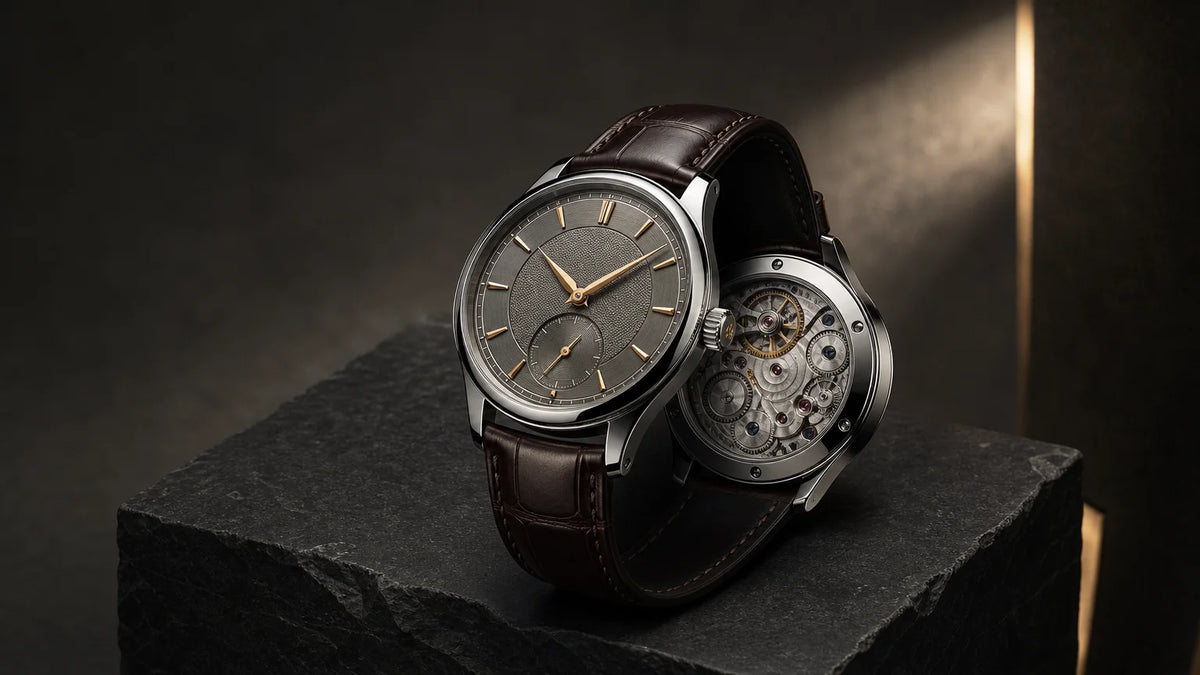
Movement quality affects accuracy, durability, power reserve, service requirements, and the character of the watch. A simple movement can be an excellent choice if it is robust and easy to maintain. A complicated movement can be worthwhile when you appreciate its function and construction, but complexity alone does not guarantee better daily value.
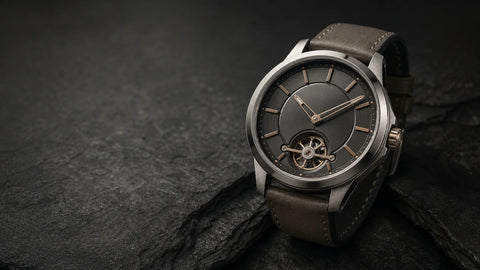
Materials and finishing also influence the price. Precious metals, ceramic components, specialized alloys, hand-applied details, and carefully finished surfaces require additional resources. However, these features matter only if they support the way you intend to wear the watch.
Before deciding, identify the attributes you will notice regularly. If you value legibility, prioritize the dial and hands. If you travel frequently, a second time zone may be useful. If you want a watch for formal occasions, proportions and finishing may matter more than water resistance.
Our guide on how to choose a luxury watch can help you connect these technical details with your wrist size, wardrobe, routine, and personal taste.
Should you buy new or pre-owned?
New and pre-owned watches can both be sensible choices. New ownership usually gives you pristine condition, complete documentation, and the clearest warranty position. You also receive the full retail experience, which can be important for a milestone purchase.
Pre-owned buying can redirect more of your budget toward the watch itself. It may allow you to access a higher specification, a discontinued design, or a piece with established collector interest. The trade-off is that authentication, condition, service history, originality, and seller reputation become critical.
Ask for clear photographs, serial information where appropriate, service documentation, warranty details, and confirmation of what is included. Original packaging and accessories may support future resale, but they should not outweigh the mechanical condition of the watch.
The best choice depends on your priorities. Choose new when first ownership and warranty certainty are central. Consider pre-owned when you are comfortable researching condition and want to maximize the substance of your budget.
Do not let resale value decide the budget
Resale potential can be useful, but it should remain a secondary consideration. A watch that retains value is still a poor purchase if you do not enjoy wearing it, while a less liquid piece may deliver years of personal satisfaction.
The wider market is not static. The Federation of the Swiss Watch Industry recorded 2025 Swiss watch exports of 25.6 billion Swiss francs, down 1.7% from 2024, while noting that its figures measure exports rather than final consumer sales. These FH statistics show why market confidence and demand should not be treated as permanent guarantees.
Resale value depends on condition, reference, completeness, service history, market demand, purchase price, and timing. Currency movements, taxes, dealer margins, and transaction fees can also affect what you ultimately recover.
If investment potential matters to you, treat it as one selection criterion among several. Our editorial overview of the best investment watches to buy can support your research, but no watch should be presented as a guaranteed financial asset.
Budget for ownership after the purchase
The purchase price is only the first financial decision. You may also need to cover sales tax, shipping, insurance, servicing, replacement straps, storage, travel, and occasional repairs.
Service costs vary according to the movement, materials, complications, age, condition, and provider. Insurance costs can depend on the declared value, coverage area, security requirements, deductible, and whether the policy covers accidental damage or loss. A 2026 ownership-cost model illustrates how service intervals and annual insurance can produce very different ten-year totals, even when two watches have similar purchase prices. The ownership-cost model is useful as a reminder, but its figures should not be treated as universal quotations.

A reasonable ownership reserve can be kept separate from the purchase budget. If you cannot afford the likely care and protection costs, reduce the purchase price or delay the decision. This approach protects the pleasure of ownership and reduces the risk of treating maintenance as an unpleasant surprise.
Use a simple decision test before committing
Imagine that you have found the right watch at the right price. Before paying, ask five questions: Can you pay without debt? Will your emergency savings remain intact? Would you still want the watch after 30 days? Does it fit your daily life? Have you included taxes, insurance, and service?
- Financial capacity: the purchase comes from surplus cash, not essential savings.
- Practical use: the size, materials, water resistance, and style suit your routine.
- Emotional durability: the design still appeals to you beyond the initial excitement.
- Purchase confidence: authenticity, condition, documentation, and warranty are clear.
- Ownership planning: future service and protection costs have a place in your budget.
If you are still uncertain about style or category, our overview of the best luxury watch brands can help you compare design philosophies and levels of craftsmanship without beginning with a fixed status target.

Choose the budget that preserves the pleasure
The most responsible answer to how much to spend on a luxury watch is the amount that remains enjoyable after your financial foundations are protected. A $1,500 watch worn often can offer more value than a $10,000 watch purchased under pressure. Set your ceiling first, evaluate the watch second, and treat resale potential as a possibility rather than a promise.
Explore Luxury Watches With a Clearer Budget
Once your budget is defined, the next step is finding a watch that matches your taste, lifestyle, and expectations for craftsmanship. A curated selection can make that process more focused, especially when you are considering an unusual design or a piece with strong visual character.

Our collection brings together selected watches alongside TheArsenale’s wider world of design-led luxury objects. Browse the available luxury watches and use your budget framework to assess each piece with confidence.
Frequently Asked Questions
What is a sensible budget for a first luxury watch?
For many buyers, $1,000 to $3,000 is a practical planning range for a first serious watch. The correct amount is the highest figure you can pay without reducing emergency savings or creating financial pressure.
Should a luxury watch cost one month of salary?
Salary-based rules can provide a rough reference, but they do not account for debt, savings, housing costs, or family responsibilities. A personal budget based on discretionary cash is more reliable than a universal salary ratio.
Is it better to buy new or pre-owned?
New watches offer pristine condition and a straightforward warranty experience, while pre-owned watches can provide more specifications for the same budget. Choose pre-owned only when the seller, authenticity, condition, and service history are sufficiently clear.
Should resale value influence my purchase?
Yes, but only as one factor among many. Wearability, condition, service access, design, and your genuine interest should matter more than an assumption that the watch will appreciate.
Can TheArsenale help me choose a watch?
Our curated marketplace includes watches within a broader selection of design-led luxury objects. You can explore the collection online and use the available editorial resources to clarify your preferences before making a decision.