The Best Underwater Drone for Diving: 2026 Buyer's Guide

How far below the surface do you truly want your camera to travel? Recreational subsea observation has moved from a niche hobby to a fast-expanding category, and the choices facing a first-time buyer have multiplied. The global underwater drone market was worth roughly 5.33 billion dollars in 2025, a figure that reflects how seriously enthusiasts and professionals now treat exploration beneath the waterline. Selecting the ideal underwater drone for diving begins with understanding what separates a capable remotely operated vehicle from a simple waterproof toy. If you are weighing your first purchase, our guide on how to choose an underwater drone is a useful place to begin.
That growth is not merely commercial noise; it reflects genuine utility for divers, boat owners and content creators. According to recent market research, the sector is expected to expand to 5.89 billion dollars in 2026 at a compound annual growth rate of 10.5%. For those exploring the depths, this means more models, sharper cameras and greater reach than the market offered only a few years ago.
What Defines the Best Underwater Drone for Diving
When people search for the best underwater drone for diving, they are really asking about four measurable qualities: depth capability, camera performance, maneuverability and tether handling. Every serious buying decision returns to these pillars, regardless of budget.
Depth capability determines where you can explore. Recreational remotely operated vehicles typically reach between 15 and 150 meters, far beyond the 40-meter limit that constrains most scuba divers. Camera quality shapes what you bring back to the surface, with 4K resolution now standard on mid-range machines. Maneuverability depends on thruster count and configuration; five-thruster and vectored six-thruster designs allow the drone to tilt, hold position and rotate cleanly. Finally, tether management matters more than newcomers expect, because water blocks radio signals and the cable is your lifeline for live video and control.

How Deep Can You Go and Why Tether Length Matters
Depth is the first specification most buyers examine, and for good reason. The deeper the water, the greater the pressure acting on the hull, so a drone rated for 150 meters is built to a different standard than one intended for a swimming pool. Knowing the depth your machine can safely reach is essential, and the tether length must match that ambition; a 15-meter cable will never let you exploit a drone theoretically capable of far more.
Tether design also affects usability. Some entry-level models replace a physical controller with a floating Wi-Fi buoy, connecting to your phone within a short wireless range. This keeps costs down but limits control distance. Wireless communication is nonetheless improving quickly; according to one industry statistics review, wireless-enabled drones are projected to account for 40% of the market by 2026, driven by advances in underwater signal and sensor technology. For now, a well-managed tether with an optional powered reel remains the most reliable setup for serious diving footage.
Recreational Drones Versus Professional ROVs
The category splits broadly into two groups. Consumer-friendly drones prioritize fun, portability and price, while professional-grade remotely operated vehicles emphasize stability, payload and precision. Remotely operated vehicles dominate the wider industry: according to a market analysis, the ROV category is expected to represent 62.2% of the underwater drone market in 2026, with North America holding the largest regional share at 45.80%.
To understand where the money goes, it helps to compare depth, camera and price side by side. The table below places accessible recreational models next to professional units and personal submersibles, so you can see how capability scales with budget. If you would like a fuller breakdown of what drives cost across the category, our overview of underwater drone price examines each tier in detail.
| Machine type | Approx. depth | Camera | Indicative price | Best suited to |
|---|---|---|---|---|
| Chasing Dory (entry ROV) | 15 m | 1080p | From ~$599 | Beginners, shallow water |
| Gladius Mini S (mid ROV) | 100 m tether | 4K | From ~$1,299 | Hobbyist explorers |
| Fifish V6 Expert (pro ROV) | Deep, six-thruster | 4K UHD, 6,000 lm | From ~$2,900 | Commercial inspection |
| Chasing M2 S (content ROV) | Survey-grade | 4K, eight thrusters | From ~$2,699 | Content creators |
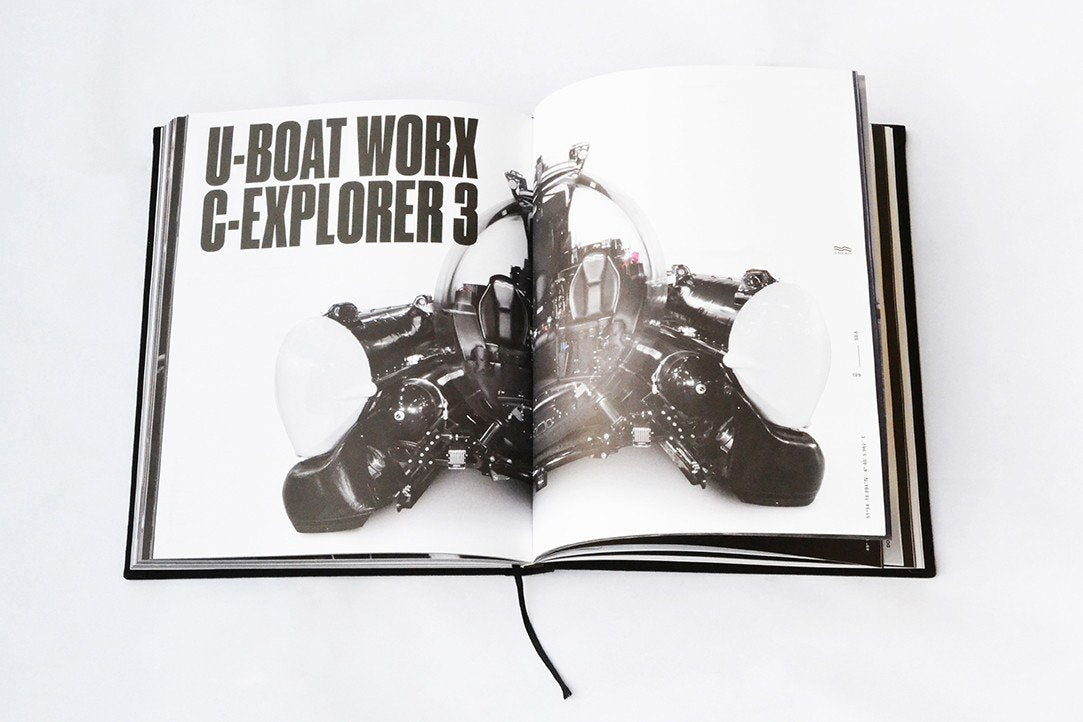
| TheArsenale personal submersibles | Human-occupied descent | Direct immersion | On request | True underwater exploration |
Camera, Lights and Stabilization for Underwater Footage
For anyone hoping to publish their exploration, the imaging system is decisive. A 4K sensor is now the practical baseline, but resolution alone does not guarantee usable footage. Lighting is equally important, because even the first few meters of water absorb color and reduce contrast. Professional units may carry lights rated at several thousand lumens, while budget drones offer a few hundred, which is adequate at shallow depths but restrictive deeper down.
Stabilization separates a pleasant clip from a professional one. Electronic stabilization, depth-lock functions and posture-lock systems keep the frame steady against current. Some advanced ROVs add an AI-based subject lock that holds position on a fixed target, effectively turning the machine into an underwater tripod. If your intention is documentary-grade recording rather than casual observation, prioritize a separately articulating camera and the brightest lighting your budget allows.
Beyond Drones: Personal Submersibles for True Immersion
There is a threshold that no camera on a cable can cross: the desire to actually be there, moving among the marine life rather than watching it through a screen. This is where the conversation shifts from remotely operated vehicles to human-occupied craft. The unmanned underwater vehicle field continues to scale rapidly, and according to one industry forecast, new deliveries are projected to reach 67,263 units by 2031, up from 22,845 units in 2026. Yet the most immersive experiences remain reserved for submersibles that carry a pilot below the surface.

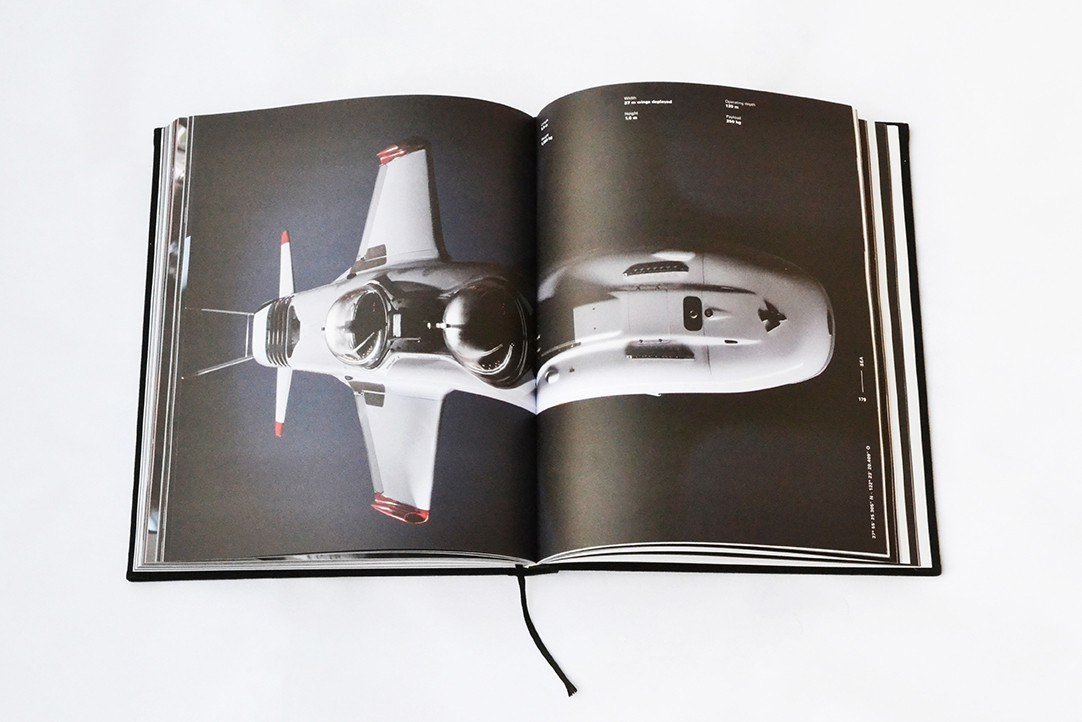
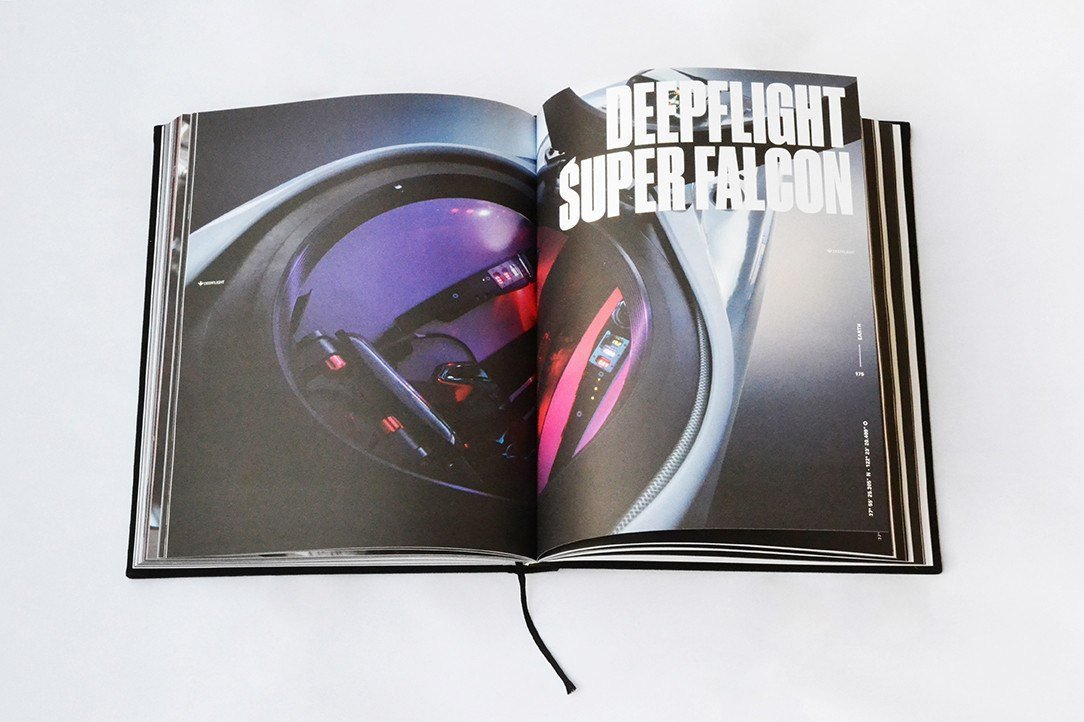
For explorers who have outgrown surface-tethered cameras, we curate craft designed for genuine descent. Our feature on the Deepflight Dragon underwater drone illustrates how personal submersibles handle like an aircraft underwater, while our submarines collection brings together vessels built for owners who treat the ocean floor as a destination rather than a data point. These machines answer a different question than any ROV: not what the seabed looks like, but how it feels to travel there yourself.
Choosing With Confidence
Identifying the right underwater drone for diving is ultimately a question of matching the machine to your ambition. If you want an affordable, portable companion for shallow exploration, a five-thruster consumer ROV with 4K video will serve you well. If your work involves inspection or commercial content, a professional unit with six vectored thrusters, powerful lighting and subject-lock stability justifies its cost. And if you dream of moving through the water rather than watching from above, a personal submersible represents a wholly different tier of experience. Define your target depth first, confirm the tether supports it, and let camera and lighting decide the rest.
Take action with TheArsenale
Understanding specifications is one thing; sourcing the right machine for your ambitions is another. Whether you are comparing recreational ROVs or considering a step up to a human-occupied craft, the decision deserves clear, structured guidance rather than scattered product pages and conflicting reviews.

As a luxury mobility marketplace curating ocean exploration machines from camera drones to submersibles, we bring these options together in one place, with Private Membership access to vehicles before they are listed publicly. To move from research to a confident choice, consult our underwater drone buying guide and explore what suits your depth, budget and exploration goals.
Frequently Asked Questions
How deep can a recreational underwater drone reach?
Most consumer remotely operated vehicles reach between 15 and 150 meters, depending on the model and tether length. This already exceeds the roughly 40-meter limit of recreational scuba diving. Deeper exploration generally requires professional-grade equipment or a human-occupied submersible.
Do you need a license to operate an underwater drone?
In most cases you do not require a license, as underwater drones have not attracted the regulation that aerial drones face. Certain protected marine areas may impose local restrictions, so it is wise to check regional rules before diving. Unlike aircraft, these machines pose no risk to air traffic.
Are wireless underwater drones a practical choice yet?
Wireless technology is advancing steadily, but water still blocks most radio and video signals over distance. A tethered connection remains the most reliable way to receive live footage and maintain precise control. For that reason, a well-managed cable and optional reel are still recommended for serious diving.
What is the difference between an ROV and a personal submersible?
A remotely operated vehicle is an unmanned, tethered camera platform you pilot from the surface. A personal submersible carries a human occupant below the waterline for direct immersion. Our submarines collection focuses on the latter, for explorers who want to travel to the seabed rather than observe it remotely.
Is an underwater drone useful for boat owners?
Yes, an underwater drone is highly practical for checking a hull, inspecting anodes and propellers, and confirming that an anchor has set correctly. It also helps locate fishing spots and observe marine life without entering the water. These practical uses often justify the purchase alongside its recreational appeal.