Dive Observer Underwater Scooter: A Complete Buyer's Guide

Underwater mobility is no longer reserved for certified divers. A new category of enclosed craft, the dive observer underwater scooter, seals the rider's head inside an air chamber and delivers a continuous supply from onboard tanks. The result is a panoramic window onto the reef with no mask, no regulator and no formal training. For anyone who has watched marine documentaries and wished to step inside the frame, these machines close the gap between spectator and explorer. To understand where such vehicles sit within the wider world of subsea craft, you may consult our Submarines collection.
The appetite is real. According to Global Growth Insights, the global dive scooter market was valued at USD 2.02 billion in 2026 and is projected to reach USD 3.79 billion by 2035. Rising marine tourism and lighter batteries are pushing personal underwater exploration into the mainstream, and observer-style scooters occupy the most accessible end of that expansion.
What a dive observer scooter actually is
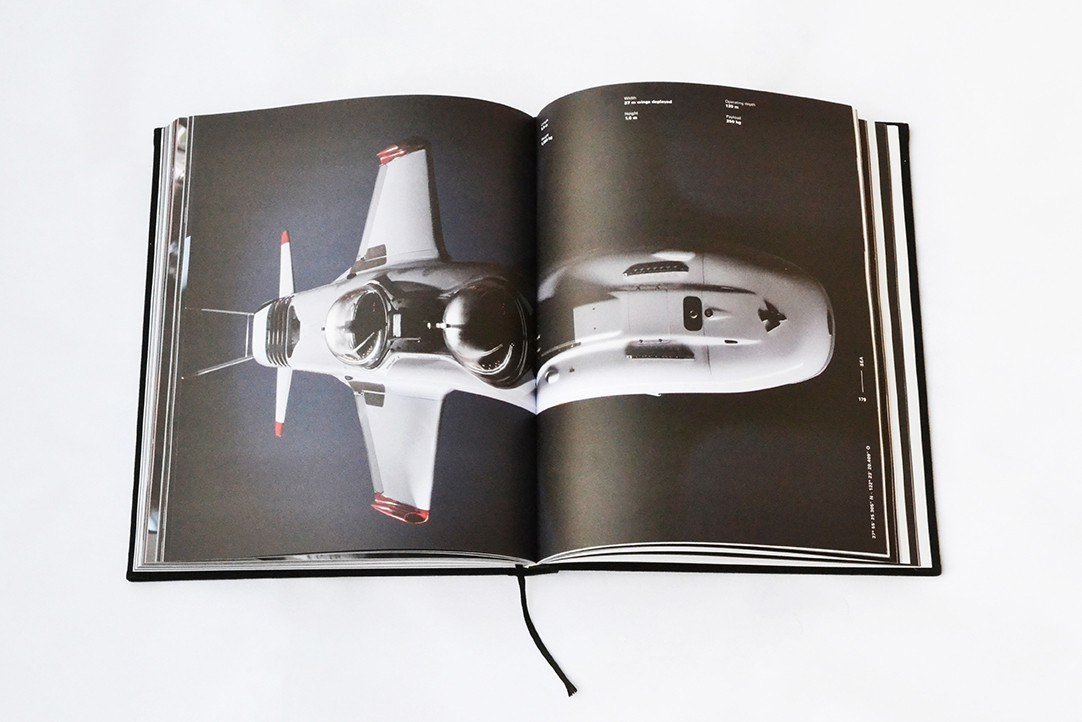
Picture a compact submersible you straddle like a motorbike. Instead of breathing through a regulator, your head sits inside a sealed acrylic helmet fed by scuba tanks. The transparent dome grants a near 360-degree field of view, and the glass is treated to resist fog and distortion. This is the defining trait that separates an observer-style underwater scooter from a conventional diver propulsion vehicle.
The engineering priorities are comfort and reassurance rather than raw speed. A typical unit weighs around 160 pounds, cruises near 3 mph and holds air for about seventy minutes. Dual electric motors handle forward drive and vertical trim, giving precise control in shallow water. Because the rider never fully submerges the airway, the experience feels closer to a guided walk on the seabed than to technical diving.

Observer scooter versus classic DPV
Not every underwater scooter belongs to the same family. Open diver propulsion vehicles, the handheld units many snorkelers know, tow you through the water while you breathe on your own or hold your breath. Observer craft enclose the airway and carry their own supply. The distinction shapes who can ride, how deep they go and what training is required.
The wider category is booming across both formats. Technavio estimates the water scooter market will grow by USD 1,241.7 million between 2024 and 2028, with battery-powered systems gaining ground on fuel-driven ones. The table below contrasts the two approaches and shows where a curated marketplace fits.
| Criterion | Observer dome scooter | Handheld DPV | Sourcing via TheArsenale |
| Certification needed | None | Recommended for scuba use | Curated for all experience levels |
| Typical depth | Around 12 m | 10 to 60 m by grade | Matched to your use case |
| Air supply | Enclosed helmet chamber | Rider's own breathing | Full specification support |
| Launch platform | Yacht or resort crane | Beach or boat | Advice for superyacht deployment |
If you are still weighing formats, our guide on how to choose a diving scooter walks through the trade-offs in plain terms.
Depth, battery and buoyancy: the specifications that matter
Three numbers decide whether a machine suits you. Depth rating comes first. Observer domes are usually certified to roughly 12 meters, which covers most coral gardens and shallow caves. Recreational scooters more broadly are rated for 10 to 30 meters, while technical DPVs reach 60 meters or more. Always respect the manufacturer's ceiling to avoid seal failure.
Battery endurance is the second pillar. Runtimes span from thirty minutes on entry units to several hours on premium builds, and lower speeds stretch the charge considerably. The third factor, buoyancy, is often overlooked. Negatively buoyant craft pull downward and are easy to lose if dropped, whereas positively buoyant units can be harder to hold on course; adjustable systems let you maintain neutral trim and switch between salt and fresh water.
This appetite for capable, sustainable machines is reflected in the data. Cognitive Market Research reports the underwater scooters market grew from USD 1,968 million in 2021 to an estimated USD 2,905 million in 2026, driven by adventure tourism and demand for longer dive range.
Safety systems that make the category inclusive
What makes an observer scooter approachable for non-swimmers is a stack of redundancies. A self-contained breathing system feeds the helmet, an impact-resistant body absorbs knocks, and a positioning float keeps the craft traceable from above. A safety tether links each unit to a surface marker buoy, preserving a physical connection to the boat at all times.
These features let people with minor disabilities or limited swimming ability join a dive that would otherwise be closed to them. Even so, treat the machine seriously. Complete a pre-dive check, confirm the seals, and practice in calm shallow water before venturing onto a reef. Respect for marine life matters too: moving slowly reduces disturbance, and most fish return once the scooter passes.

Deployment, transport and ownership
An observer scooter is not a beach toy. At roughly three meters long and 160 pounds, it is designed for launch from super-yachts or tourist resorts, often with a portable crane. That logistical reality shapes ownership: you need a platform, storage and a rinse routine to protect the electronics from salt.
Maintenance is straightforward but non-negotiable. Rinse the craft with fresh water after every session, store the lithium battery correctly, and never attempt internal repairs yourself. Because these machines sit at the premium end of subsea mobility, sourcing matters as much as the specification sheet. When you want a unit vetted for real conditions, we curate ocean exploration craft and can advise on deployment before you commit.
How the market is evolving in 2026
Electrification defines the current direction of travel. Industry trackers now report that the majority of new dive scooters are electric, with lithium chemistry the clear preference and compact, lightweight designs on the rise. Asia-Pacific leads global demand, while the Middle East and coastal resort regions lean on luxury marine tourism to fuel adoption.
Long-term forecasts reinforce the trajectory. IndustryARC projects the underwater scooter market will reach USD 0.31 billion in its measured segment by 2030 at a compound annual rate near 8.7%, propelled by rising participation in water sports. For buyers, that momentum means faster innovation in battery efficiency and smart navigation. If you also weigh camera-carrying alternatives, our underwater drone buying guide compares the observation options.
Choosing with confidence
A dive observer underwater scooter earns its place by making the reef accessible without certification, provided you match depth rating, battery endurance and buoyancy to your setting. Treat the safety stack as essential rather than optional, plan the launch platform honestly, and commit to disciplined maintenance. Approached this way, the machine becomes a repeatable gateway to the seabed rather than a one-off novelty, and your first descent will feel calm, controlled and genuinely memorable.
Take action with TheArsenale
You have mapped the specifications, the safety systems and the launch requirements. The next step is sourcing a machine that has been curated for real conditions rather than picked from a spec sheet alone. That is where we come in, connecting your ocean exploration ambitions to vetted, high-end subsea craft.

As a luxury mobility marketplace, we curate ocean exploration machines and offer Private Membership access to vehicles before they are listed publicly. Explore our S2 underwater portable scooter to see how a compact, travel-ready design fits alongside superyacht deployment and shallow-reef adventures, with our sales team ready to advise on the right configuration for you.
Frequently Asked Questions
Do you need a certification to ride an observer scooter?
No. These enclosed craft supply air to a sealed helmet chamber, so no diving certification or prior experience is required. They are designed to be inclusive, even for non-strong swimmers, when used under supervision.
How deep can a dive observer scooter go?
Most observer domes are certified to around 12 meters, which covers shallow reefs and caves. Recreational underwater scooters more broadly reach 10 to 30 meters, while technical DPVs can exceed 60 meters. Always stay within the manufacturer's stated limit.
How long does the battery and air supply last?
Endurance varies by model, but observer craft commonly hold air for about seventy minutes, with batteries supporting extended sessions at lower speeds. Runtime shortens at full power, so plan your dive around the slower cruising range.
Where can you launch a machine this size?
Observer scooters are built for deployment from super-yachts or resorts, often using a portable crane. At roughly three meters long, they are not suited to a casual beach entry. We can advise on the right platform for your vessel.
How do you maintain an underwater scooter?
Rinse the craft with fresh water after every dive to protect it from salt corrosion. Store the lithium battery correctly and never attempt internal repairs yourself. Keep the unit within reach of a reputable service facility and honor its warranty.